
I recently published my 45-day itinerary of my UK+Ireland Trip. So I thought I should also share my UK visa approval story, as my case is quite different from a typical traveller. And there are many stories from Gen-Z solo travellers about this.
To begin with, I was a young, self-employed Indian with a prior UK visa rejection already on record. On paper, not the easiest profile to get approved.
Add a high income at a young age, frequent international travel, and a vague first application, and it looked like a guaranteed denial.
Here’s exactly how I turned a red-flag-filled application into a strong, successful case without cutting corners. If you’re in a similar spot, this is your full playbook.
Where It Fell Apart: My First Application Mistakes
Here’s my visa refusal letter:
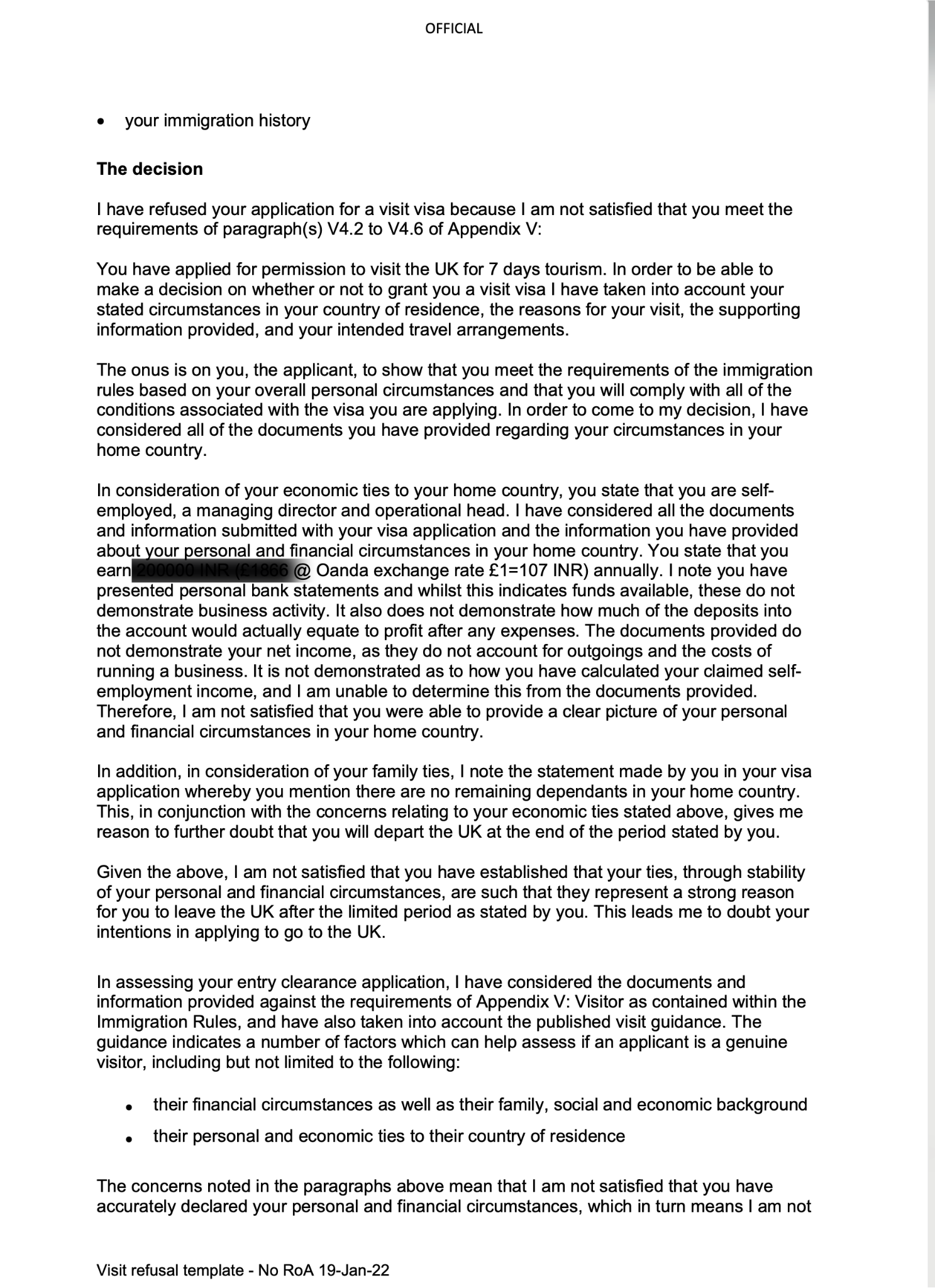
My profile wasn’t visa-officer-friendly. At a glance, it looked like a high-risk case with little assurance.
I was just 23, already had one rejection from the UK, and my application didn’t come close to answering the kind of questions an immigration officer needs to be resolved before saying yes.
Red Flags I Didn’t Address:
- I was 23, which puts me in the high-risk immigration bracket.
- I already had a UK visa rejection just a few days earlier.
- My passport showed six trips within a year: Hong Kong, Malaysia, UAE (twice), Kenya, and Singapore.
- I was self-employed—not salaried—which is harder to verify.
- My declared income appeared strong but lacked support.
- My reason for travel was simply listed as “tourism and photography,” too vague to justify anything.
- Savings were low compared to the income I claimed.
- There was no solid proof of family ties, financial responsibilities, or return commitments.
It looked like I was someone who might not return. The visa officer had every reason to doubt my intent and they did.
What I Changed: The Complete List
The second application wasn’t a revision.
It was a complete reset, this time treated like a case file. You should have seen the number of documents I uploaded.
Nothing could be left to interpretation. I shifted the mindset from “what I want to say” to “what they need to see.” Which for me was every single document of my business, income, existence and travel history.
Step 1: Proving I Run a Legitimate Business (New Documents)
You say you run a business? I don’t care what you say, I want paperwork that proves it’s real, registered, and making money. Show me that, and I’ll keep reading.
I made a grave mistake of not properly introducing my business with my first visa application. I also missed attaching my current account statement because I relied on a guy I found on Twitter. (Huge deal).
A current bank account statement is super necessary if you’re self-employed as this is the main business income proof.
Something I should not have missed but did because I opted for a “premium” service by this guy on Twitter named Priyesh Sharma.
He offers a visa assistance service called Viszapp which, if you read about online, has an insane number of positive reviews.
So maybe my case is an outlier. I had a so-so experience. He was just not as diligent as he claimed to be.
I still don’t have the promised itinerary to show, and he absolutely fumbled the “expert review.” I’ve had a better experience with Visa2Fly to be honest.
So this time I included these with my supporting documents:
- Company incorporation and partnership documents
- Business Introduction letter and Finance Explanation – Few people will tell you this
- GST certificate, PAN, and registration history
- Two years of both personal and business ITRs
- A full year of bank statements (business and personal)
- Dated and detailed client invoices
- Testimonials from actual clients with contact details
- Screenshots of the business website
- A business profile explaining what we do and my specific role
- Links to the websites we own, operate or work with.
- Links to my photography portfolio at Glass
If someone wanted to audit my work, they could. That was the point.
The business introduction letter I guess was a game changer as it clearly explained what my business was (unorthodox as a content creator) and how I made money. And then I gave them finance explanation letter which showed how I invested money and how multiple accounts worked under my name.
I tried to be a little arrogant there, thinking no way I am leaving anything unexplained, given them any space for missing docs or giving them useless reason to reject my case again. I was thinking like:
You have a question about my business or my financials, sir? Here, I’ve explained it in a way you’d understand.
Step 2: Telling a Clear, Clean Financial Story
Your bank says one thing, your ITR another? Red flag. If I can’t match your income across documents, you’re getting a refusal. Make it stupidly easy for me to trace.
Note this – UK cares about your financials more than anything else. if you’ve high, traceable income, your visa will be approved if you submit all documents properly and there is no irregularities in your tax filings. This is the most important part of your visa application.
I connected the dots. Income showed up across bank credits, invoices, and ITRs. Expenses were realistic. Savings weren’t massive, but they were steady and logical. Everything balanced.
The key was consistency. My ITRs matched my bank activity. And where it didn’t (because I have an LLP) I made a document exclusively to explain the financial activities and name it “Finance Explanation“.
My monthly spend didn’t outpace my income. I also attached my credit card statements and matched it with the transactions.
I also mapped out a full travel budget for the UK trip: flights, accommodation, food, transport, insurance. It aligned with what I had in my bank. The visa officer didn’t have to estimate anything as it was already broken down and packaged.
Step 3: Rewriting the Travel Purpose With Intent
‘Tourism’ doesn’t cut it. What exactly are you doing there? Show me you’ve planned, booked, and thought this trip through like a real traveler, not a maybe-migrant.
My earlier reason , which was “tourism and photography” was vague and weak. This time, I explained it clearly:
“As a young entrepreneur, I’m visiting London and Edinburgh to explore their culture, design spaces, museums, and historical landmarks. I’ll be visiting the British Museum, V&A, Design Museum, and a few independent creative spaces. I will do this at my own pace, and I will pay for everything out of my pocket. I’ll also figure out ways to improve my photography skills as very few places are as beautiful as Scotland”.
I even backed this up with bookings: shortlisted museums, a loose itinerary, and my reasoning for choosing London and Edinburgh in the first place. That helped communicate planning and purpose.
Step 4: Acknowledging and Addressing the Rejection
I didn’t ignore the earlier refusal. I included a dedicated paragraph in the cover letter, breaking down what had gone wrong and how this new application resolved those issues.
Not just saying it was “stronger,” but showing how point by point. I specifically listed the financial, business, and personal areas where documents had either been missing or unclear earlier, and attached all the new evidence in response.
I also made sure to let them know that they could have emailed or phoned to ask for the missing documents, which I genuinely thought was the right move.
Step 5: Showing Why I’d Definitely Return
Will you return? Talk is cheap. Show me ongoing work, family support, a lease — paper-based proof that your life’s rooted here.
Visa officers don’t trust promises, they trust paperwork. So I backed up my ties to India with:
- Bank records showing regular support sent to family
- Ongoing client projects with post-trip deadlines
- A rental agreement and utility bills in my name
- Screenshots from our CRM showing pending invoices, deadlines, and expected deliverables
I showed them how my life is going on in India and why there is no way I could settle in England and not come back. My whole life is in India with my family, business, friends and colleagues.
Step 6: Turning My Travel History Into a Strength
Six international trips could raise alarms. But I reframed it:
- Each trip was under 10 days
- All were personally funded
- I included tickets, hotel bookings, and entry/exit stamps
- No visa overstays or shady gaps
I even built a simple travel timeline that showed I always returned, and never overstayed. Some of these trips were with family, some solo, but all were documented. No ambiguity. No patterns of irregularity. I also shared the pictures I took at these places.
Use the checklist below when preparing your visa application:
UK Visa Self-Employed Checklist
- Business Incorporation + Partnership Deed
- GST Certificate + PAN + Udyam/MSME ID (if available)
- Current + Savings Bank Statements (6–12 months)
- Personal + Business ITR (last 2 years)
- Client Invoices + Testimonials
- Business Website + Screenshots
- Cover Letter with Purpose + Financial Summary
- Visual Budget Plan for the Trip
- Rental Agreement + Utility Bills
- Proof of Return (upcoming projects, travel ties)
- Travel History + Old Visas
- Business Introduction Letter and Finances Explanation
*What’s a Finance Explanation Letter?
A document that explains the structure of your income, accounts, cash flow, and irregularities. Especially important if you’re using multiple accounts or your business model is unconventional.
*What Goes Into a Business Introduction Letter?
Explain what your business is, what you do, how you earn, and who your clients are. It’s like a pitch for a loan but for immigration.
*Travel Itinerary Without Bookings?
You don’t need confirmed bookings. Just a well-planned document with dates, cities, attractions, and a rough cost breakdown is enough to show intent.
How the Final Application Looked
Here’s what my final visa file contained:
- A clearly labeled folder with sections: business, financials, travel plan, ties to India, rejection response
- New documents including – Business Introduction Letter, Finance Explanation, and Travel Intent.
- No contradictions across documents
- Income traceable across all records
- Purpose that aligned with my professional background
- Strong, real-world obligations pulling me back home
- Visual timeline of travel history
I uploaded around 48 pieces of documents, apart from the required ones. A cover letter filled with everything I wanted them to know about me and my trip with a separate section telling them how to read other documents attached.
What I wanted to do is give them anything before they even ask for it. And if they do, it’s right here.
On the grounds of missing docs, mis-matching information or irregularities, there was absolutely zero room left. The visa officer could cross reference anything they wanted to.
What I Did That Most Don’t
Here’s what made this application truly different, and things I did that almost nobody else includes:
- Finance Explanation Letter – I created a full breakdown of how money moves between accounts, clarified LLP income, and explained anomalies
- Thought Like a Visa Officer – Focused on what they need to see, not what I wanted to say
- Audit-Friendly Application – Linked everything: bank credits to invoices, websites to clients, testimonials to deliverables
- Custom Docs – Created Business Intro, CRM screenshots, Timeline Visuals, Testimonial sheets which are all unique to my case
- Used Travel History as Behavior Proof – Short trips, solo vs family context, even added photos
- Matched Credit Card Transactions – Verified spend history to prove lifestyle vs income balance
- Showed Ongoing Client Work – CRM dashboard screenshots, post-trip deadlines, unpaid invoices as commitments
This wasn’t just a strong file. It was a transparent, bulletproof story.
| Docs | My First Application | Final Application (Approved) |
|---|---|---|
| Business Proof | Just ITRs | Full stack: ITRs, business intro letter, bank + GST docs |
| Financial Story | Claimed income, no breakdown | Mapped: income + spend + savings + invoices + tax docs |
| Travel Purpose | “Tourism and photography” | Detailed narrative with bookings, cultural intent |
| Return Ties | None | Rent agreement, family support proof, CRM project logs |
| Rejection Handling | Ignored | Direct explanation with corrected documents |
| Travel History | 6 trips, no context | Timeline, tickets, no overstays, backed with stamps |
| Folder Structure | Loose, generic docs | Sectioned + labeled: business / finance / purpose etc. |
| New Documents Added | Business Intro, Finance Explanation | 48 total: finance note, biz intro, rejection rebuttal |
What You Can Take Away From This
1. A Rejection Is Not the End
It’s just data. Learn what was missing, fix it, and resubmit with confidence. Officers don’t blacklist, they look for growth.
2. Self-Employment Is Fine, If You Can Prove It
Send more documents than you think are needed. If you say you run a business, show its paper trail, income flow, and activity. Business introduction letter is a must.
3. Income Doesn’t Need to Be Huge, Just Honest and Clear
Consistency beats big claims. If what you say aligns with what your documents show, you’re good.
4. Use Your Travel History to Build Trust
Be transparent. Lay out travel details. Responsible patterns matter more than frequency.
5. Back Every Claim With Proof
Say less. Prove more. If it’s not documented, it doesn’t count. Submit as many documents as you can.
Time Spent: Around 25–30 Hours Total
I spread it across:
- Reviewing my earlier mistakes
- Collecting updated documents
- Writing the cover letter and purpose note
- Including new documents such as business introduction letter and Finances Explanation
- Formatting everything and organizing it into a logical structure
- Drafting a visual summary of my business and travel patterns
- Calling banks, asking clients for references, and printing hard copies to cross-check
Didn’t need an agent. Didn’t need a consultant. Just time and attention to detail which I should have before. I spent more time thinking from their perspective and going through my list of documents instead of replying on someone else.
The Result? Visa Approved
I submitted through VFS, full file attached. No calls. No extra queries. Just a direct approval.
It did go through the NSF or Not Straight Forward procedure.
What is NSF?
The UK visa is supposed to be issued in 15 days. If, for any reason, it is not, you will get an email saying it’s marked as NSF or Not Straightforward.
In such cases, the visa officer is basically saying they require more time to evaluate your application.
This also happened in my case. I got an email saying your UK visa application is NSF.
But it turned out not to be because of any lack of documents or something, it was mainly because I submitted my application 4 months prior to my given travel dates.
Normally you should submit a UK visa application only 3 months prior or less to your planned travel dates.
In my case, the visa officer held the application for exactly 30 days before I got my passport back with my visa approved and affixed.
That’s what happens when you take the guesswork out of your file.
Visa Application Timeline
| Application Submitted | December 26, 2024 |
| NSF Email Received | Jan 11, 2025 |
| Visa Approved | January 24, 2025 |
Conclusion
UK is beautiful!
Below are a few pics from my 45-day journey to UK and Ireland (Yes, you can visit Ireland with UK Visa if it has BIVS written on it). I hope this get you exited and read for your journey, cause you don’t wanna miss these stunning places across the UK.
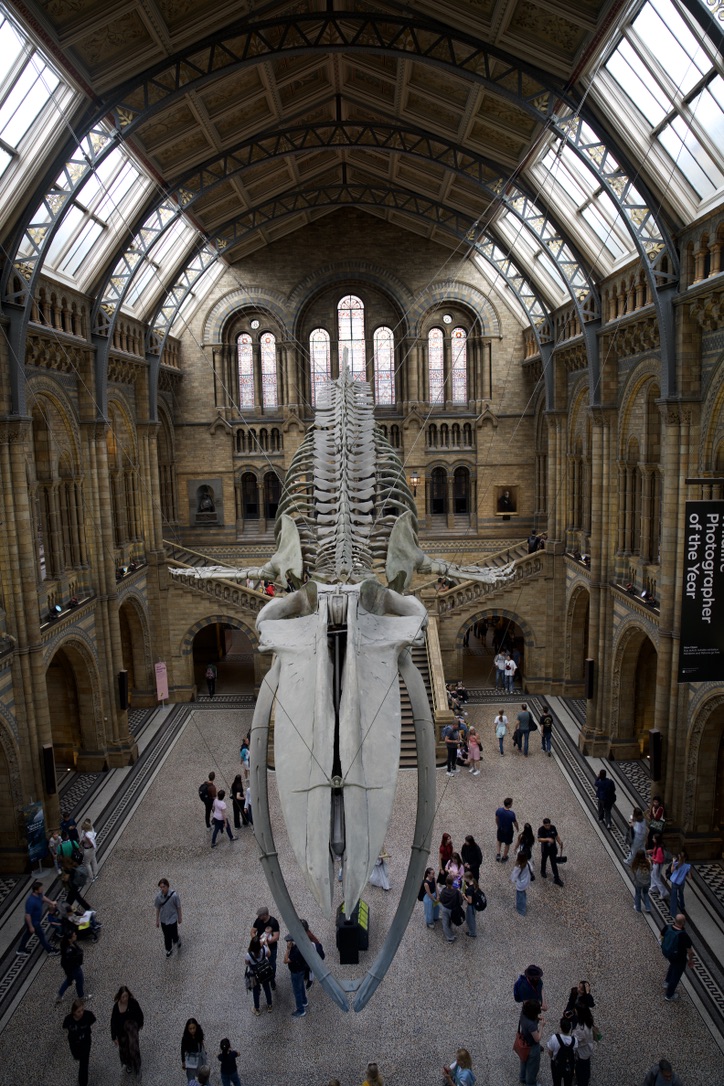
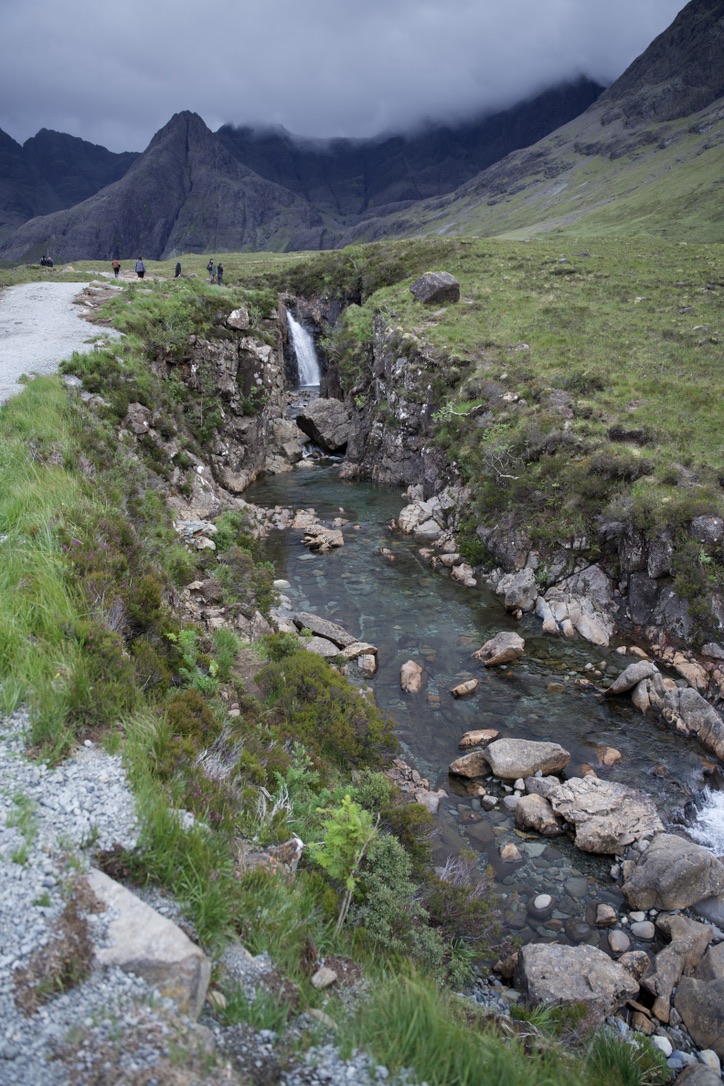


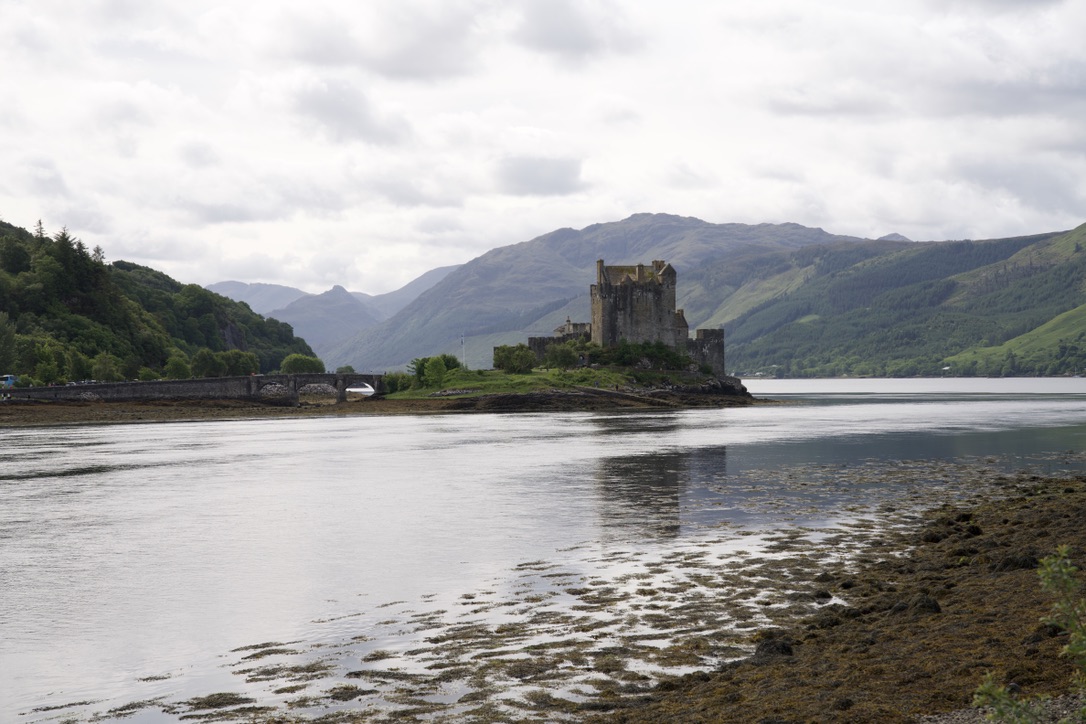


You can find more pics on my Instagram or at my Glass profile here.
If you’re a young Indian, self-employed, and even had a rejection before, don’t stress too much about it.
Just figure out what went wrong, fix the gaps, and tighten your file.
Treat it like you’re presenting your case, not just submitting papers. Keep it simple, keep it solid. That’s what I did.
And yes, include as many docs as you can. As many proofs and supporting docs as you can. Always remember to be honest in visa applications, and that’s all there’s to it.
Want a my copy of the cover letter and the UK Visa checklist? Drop me a DM on Instagram here and I’ll send the full list I used.

Leave a Reply