While roaming through a mall in Dubai, we stopped to find my mum some new shades. As we walked through the various levels, I stumbled upon something that sparked the beginning of my first international solo trip and fulfilled a childhood dream.
It was a Fujinon 400mm Telephoto Lens. The moment I saw it on the shelf, I picked it up and attached it to my Fujifilm xS20. Within a minute, I realized two things:
I needed to upgrade to the xH2s, and wildlife photography was calling my name.
Suddenly, I was reminded of the stunning images in National Geographic and the captivating encounters of Steve Irwin on Animal Planet. I too wanted to capture the beauty of nature like he did.
I decided to fly to Kenya, specifically to Masai Mara.
Here’s how everything unfolded on my first solo international trip.
Flight
I flew to Nairobi via Delhi. IGI T3 was crowded as ever, and getting to my gate took no less than two hours from the moment I stepped inside the airport. It could have taken longer if I hadn’t argued with aunties who believe the younger generation lacks discipline but think they have the right to cut in line.
If you want to fly directly to Nairobi from Delhi, you have only one option: Air India. From Mumbai, you can fly via Indigo.
Now, Air India is definitely better compared to Indigo. At least the seats don’t feel like old benches, and you’re served something to eat, often enough to keep you satisfied.
My experience was quite good when we departed. We left on time without any delays, and my seat was upgraded to business class. The flight was surprisingly full—about 90% of the passengers were Kenyan residents of Indian heritage. From speaking to a few of them, I understood that they were visiting family members who are still in India.
You will find a lot of Indians in Kenya, especially in Nairobi. Their immigration story is fascinating. Indians began migrating to Kenya in significant numbers during the British colonial era, initially to build the Uganda Railway in the late 19th century. Today, they play an important role in Kenya’s trade and business sectors. When you have time, make sure to read more about them.
The flight was very comfortable. I even got to see Mount Kilimanjaro from my seat. The food was good, fresher compared to what they serve on domestic flights, and the temperature was just right.
We landed on time, but the baggage took a while to get through. I think I waited for more than 20 minutes.
Overall, the departure flight was quite pleasant. The return to India, however, is where Air India lived up to its reputation and reminded me why I must always mentally prepare when flying with them. Click here to scroll down to see what happened when I was set to leave Kenya.
Immigration
As the flight landed in Nairobi, I noticed how small their runway was. It seemed to be barely 25% the size of IGI. After deboarding, we were escorted to a bus that took us to the arrivals terminal.
The arrivals terminal was fairly small too. It had only one path that led us to probably the most ordinary-looking immigration and passport control counters I’ve ever seen. One passport officer, several lines, with one enforcer, super polite, standing in the hallway.
The passport officer took his time before appearing at his counter. When he finally sat down, I let a young lady go first since it seemed like her first time. This was confirmed when she got scolded, quite harshly, by the officer for walking back and not knowing the way. She complied but was visibly shaken.
When it was my turn, I got my passport and arrival card checked and mentioned I was staying for 12 days. The officer didn’t even ask for the arrival card until I mentioned the duration. Once everything was verified, we moved to the fingerprint scanner, which took over 10 tries. Despite the earlier incident, the officer was noticeably calmer and more polite compared to what I had seen with an older lady in Dubai.
After getting cleared, I went through customs, sorted everything out, and just like that, I was in Kenya.
Next came currency exchange. I exchanged 500 USD for around 60,000 Kenyan Shillings—a substantial amount, as the lady at the counter pointed out. She even gave me a mini-lecture on being discreet about carrying such a large sum of cash. I couldn’t help but wonder why she waited until after happily taking my dollar bills to say that. But we all know why.
I had taken out that much cash because I anticipated issues with my cards in Kenya. My DC and AMEX rarely worked, and a UK tourist I met complained about problems with MasterCard too. DC didn’t work at all, and AMEX worked maybe three times at most. Thankfully, I had the Axis Atlas card, which saved me from missing out on credit card points. And in Africa, tipping is essential. Don’t be like certain European tourists who treat everyone poorly.
As for the cash, I stuffed it into my fanny pack and headed to the luggage counter. It was no bigger than a 4BHK in Noida, with just three conveyor belts crammed together. Despite having my luggage marked as priority, it took about 20 minutes of waiting to get it—on top of however long customs took.
Airport to Hotel
Once I was out of the airport, I took a good look around and realized it looked even smaller from the outside. Apart from that, it literally throws you out onto a road. You have a ramp that takes you down to the pedestrian area. This is where tons of taxi drivers will holler at you.
Avoid taxi drivers outside Nairobi Airport and any other airport in Africa. They’ll ask you where you’re going, assure you they know the way, and lure you with low prices. Do not sit in these taxis, as they are incredibly unsafe. You are at risk of getting robbed. Getting scammed for more cash is the least of your concerns here.
What I advise is what I do—use Welcome Pickups. It’s pretty reliable. I used Welcome Pickups to get an SUV (much better for long-haul transport; just increase the number of bags and you’ll be allotted a bigger car for maybe $10 extra).
It cost around $25 to get me to DoubleTree by Hilton Nairobi Hurlingham from the airport. We took the faster route, which took another 250 shillings for toll. People avoid paying tolls in Kenya, so you’ll find it traffic-free most of the time. And just like in India, traffic is a huge issue in Kenya, especially in Nairobi.
Hotel Mishap
I never pre-pay for hotels and never will. I did the same this time, and to my surprise, they messed up my booking. I was supposed to check in on the 6th and leave on the 15th, but they moved my booking up by one day because my card was declined when they tried to charge me for that day.
I booked the hotel via Booking.com. According to Booking.com, even if you select the option of “pay at the hotel,” they will still charge your card on the day of check-in, and if the payment fails, the booking is moved up by a day. A very stupid system indeed.
This happened in my case, and I was now stuck in a new country, among unknown people, without a room. Yes, the hotel was full—no rooms available.
Then something happened that made me proud and ecstatic to be an Indian. A fellow Indian from Delhi came to my rescue.
A gentleman by the name of Pratap Singh Negi came from the kitchen in the back. He was the chef, living in Nairobi as was originally from Delhi. Pratap made sure to clear everything for me and got me a room for the night at a nearby hotel. He ensured I was well fed before I left and even gave me tons of refreshments for the night.
Thanks to him, I was able to spend the night comfortably. He picked me up the next day and ensured I had the best breakfast, and we chatted a lot. He also informed and educated me a lot about the dos and don’ts in Kenya. He probably saved me a lot of trouble and money.
Thank you, Pratap! I know I couldn’t meet you before coming back, but the circumstances became such that I had to fly back in a jiffy. I barely made it to the last flight leaving for India. Hopefully, you’re reading this and you can forgive me.
None of the “natives” in the hotel seemed to care, and this stood out from the rest of my trip. The native men at the Hilton Hurlingham hotel were the only ones throughout my journey that didn’t seem as courteous as others—not disrespectful, but definitely unwelcoming. The women, on the other hand, were very sweet. I kept getting free cookies and pasta sauce for my special spaghetti.
Outside of this, I couldn’t have felt more welcome. The black people I met were some of the nicest you’ll ever encounter. They helped with lunches, long drives, tour planning, security, and medicine—often without me even asking.
I felt incredibly pampered and treated with warmth wherever I stayed. I’d get pulled out for breakfast, then packed lunches, more food, rushed to catch the sunrise, given free stuff, and showered with stories. Most importantly, everyone seemed to genuinely enjoy it; it wasn’t forced, and that was clear.
So, would I recommend Doubletree by Hilton Hurlingham? No. It’s not ideal for Indians. But it is a genuinely good 4-star hotel, very clean and well-maintained. Also, there’s no Indian food, and the samosas have beef—no vegetarian option. A better place to stay would be near Parklands. You’ll be close to your Indian brothers and sisters.
I deliberately avoid Indian neighborhoods when traveling abroad to immerse myself in the local culture. Because my goal is to experience the country through its people, their lifestyle, and traditions, understanding their choices, daily routines, cuisine, and their way of life. This can’t be done, at least for me, when I stay near an Indian neighborhood.
How did The Journey Went
With everything set and in order, I can finally begin the main purpose of my journey: the wildlife and culture!
On Day 1,
I started by with Nairobi National Park. It’s a mini Masai Mara—not quite the same, but perfect if you’ve got family members with back problems. You can’t and shouldn’t take them to the Mara, but here they don’t have to miss the fun.
Nairobi National Park has several popular animals to observe on the trail: rhinos, giraffes, and even lions. You can also spot zebras and wildebeests. Note that this is the only place you can see both black and white rhinos.
You can visit and drive through Nairobi National Park on your own, but I wouldn’t recommend it. It’s a much better experience with a guide, hopping on a Land Cruiser with someone who knows the terrain and has the expertise to make game spotting easier. This saves you a lot of time and hassle.
I usually use TripAdvisor, and here’s the link to the experience booked. It included a full trip to the National Park, plus entry to the elephant and rhino orphanage and giraffe center. Our guide was knowledgeable and courteous—I enjoyed every moment with him.
I also met Raju, an Indian-origin fellow from Australia. We had a great time chatting about various topics; despite the decades between us, we matched the vibe and covered a lot of ground. Unfortunately, I missed saving his number. It’s likely somewhere in my call logs, but alas, I’ve lost hope of finding it.
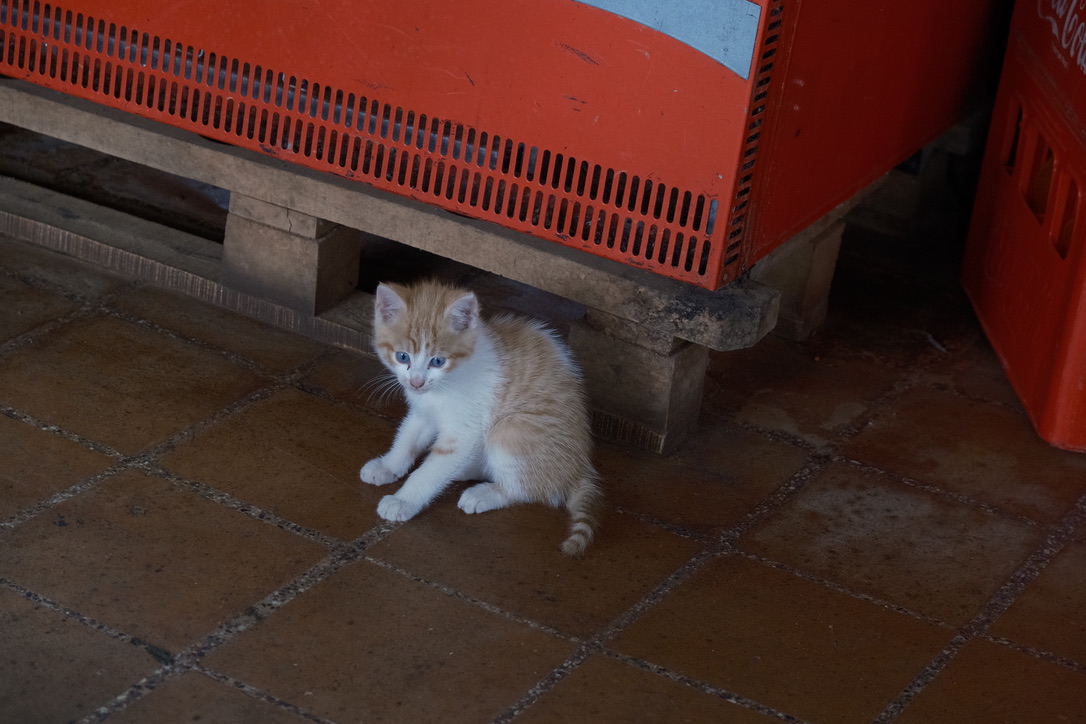
We got to see a lot of birds, as we eneted the park and as we moved in we were infomed there were a couple liions nearby. Unfortunatel they seemed to be tired ans sleepy, and the only thin we could spot was there paw. So we mvoed on and started spotting Giraffs, Zebras, small feral cats and Rhino.
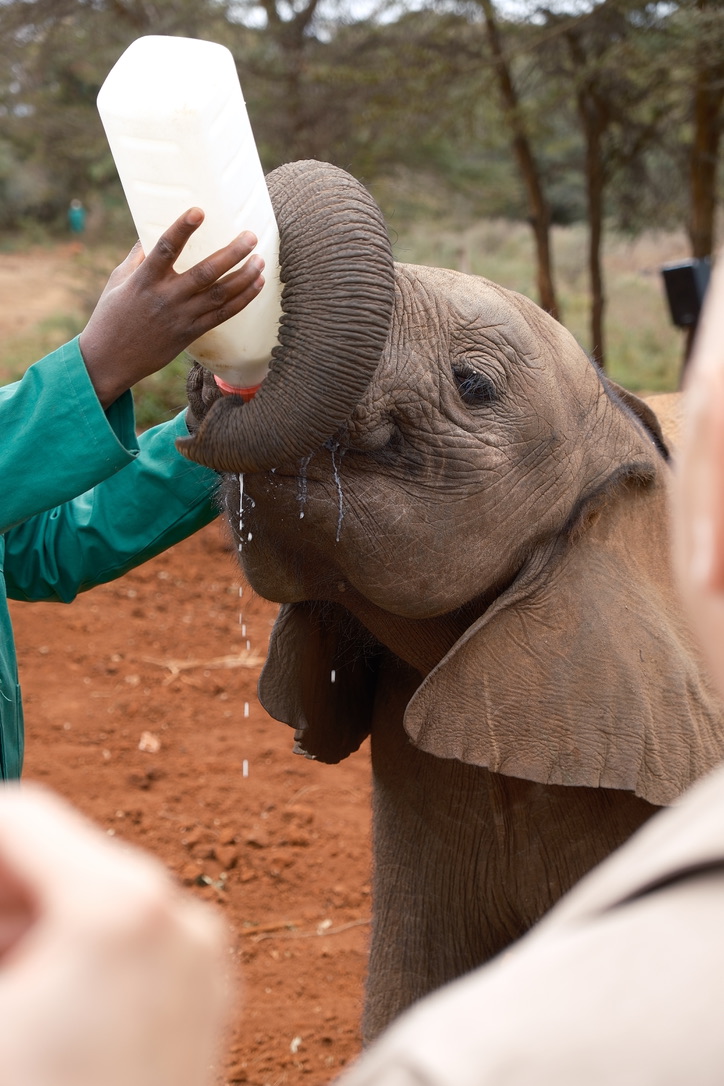
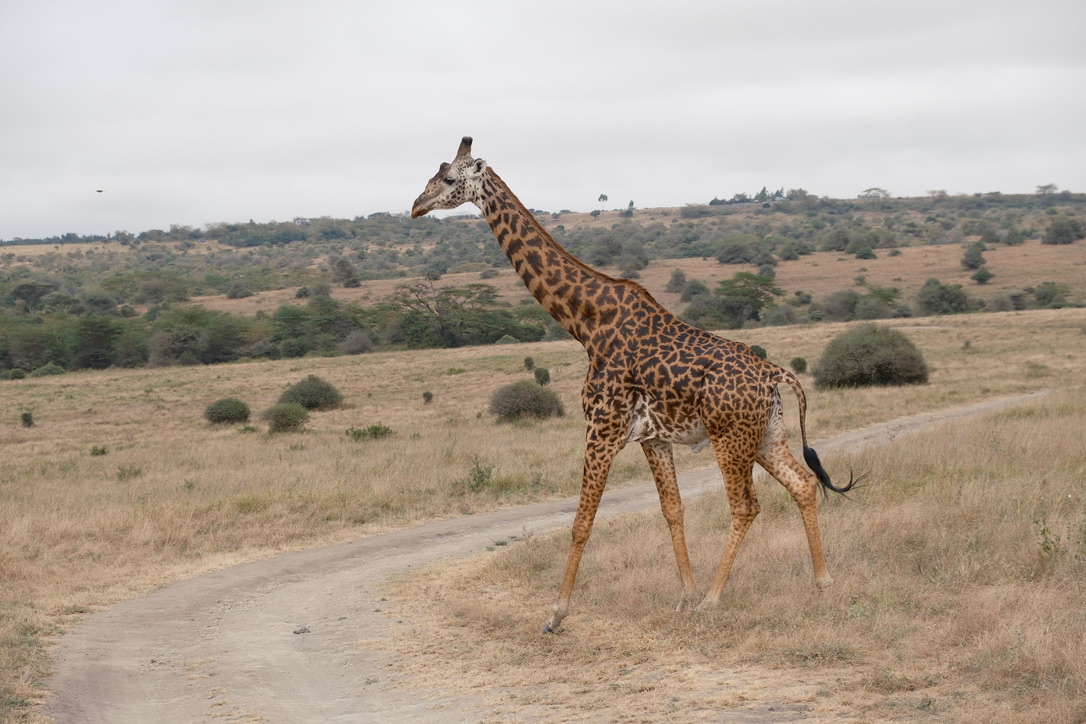
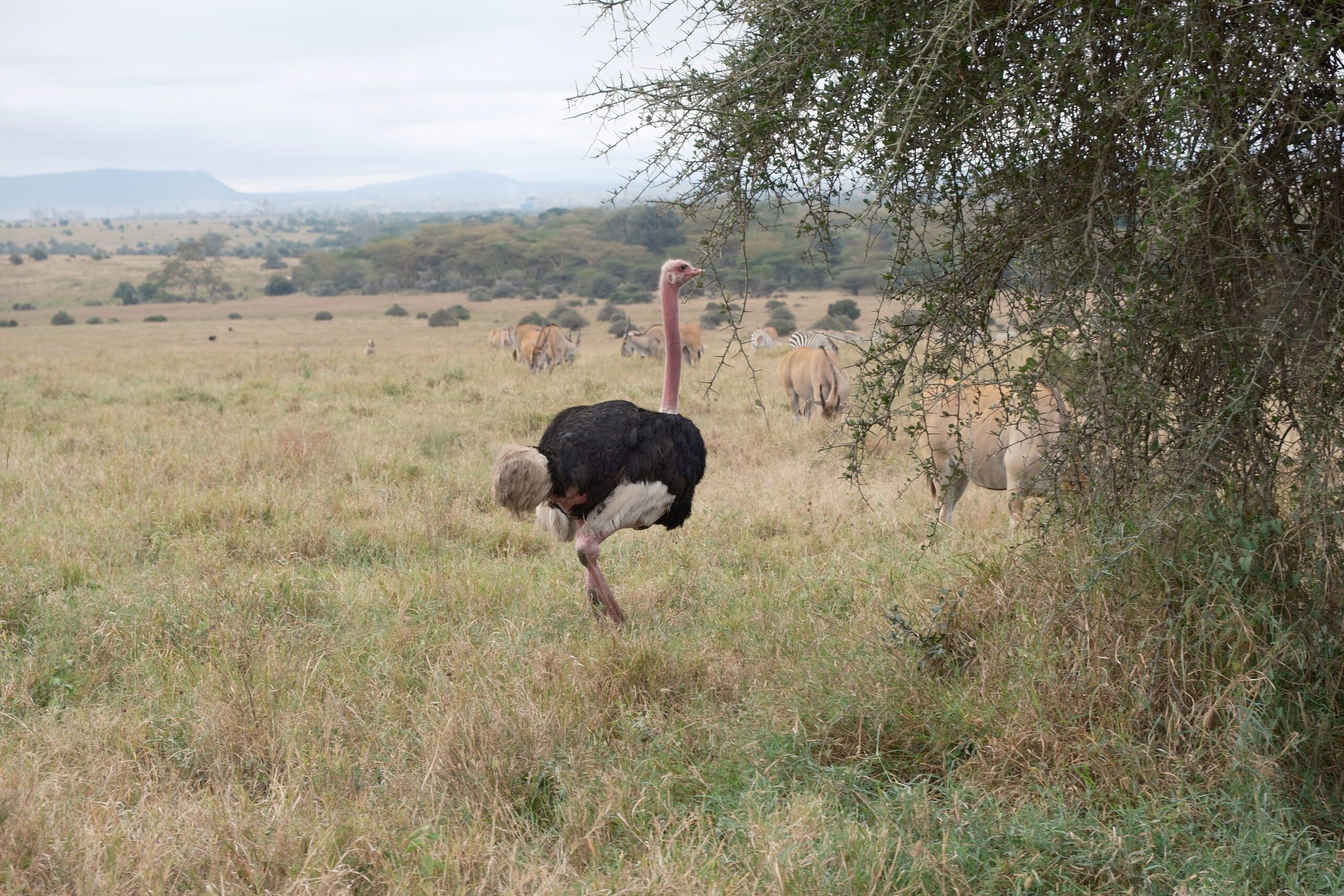
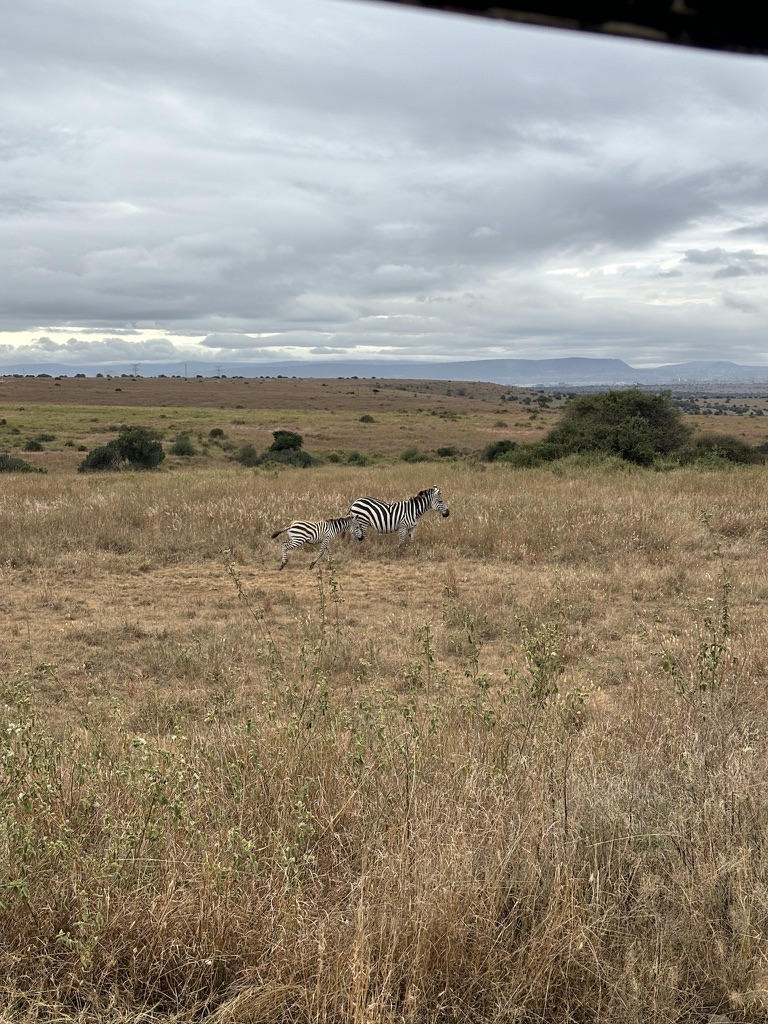
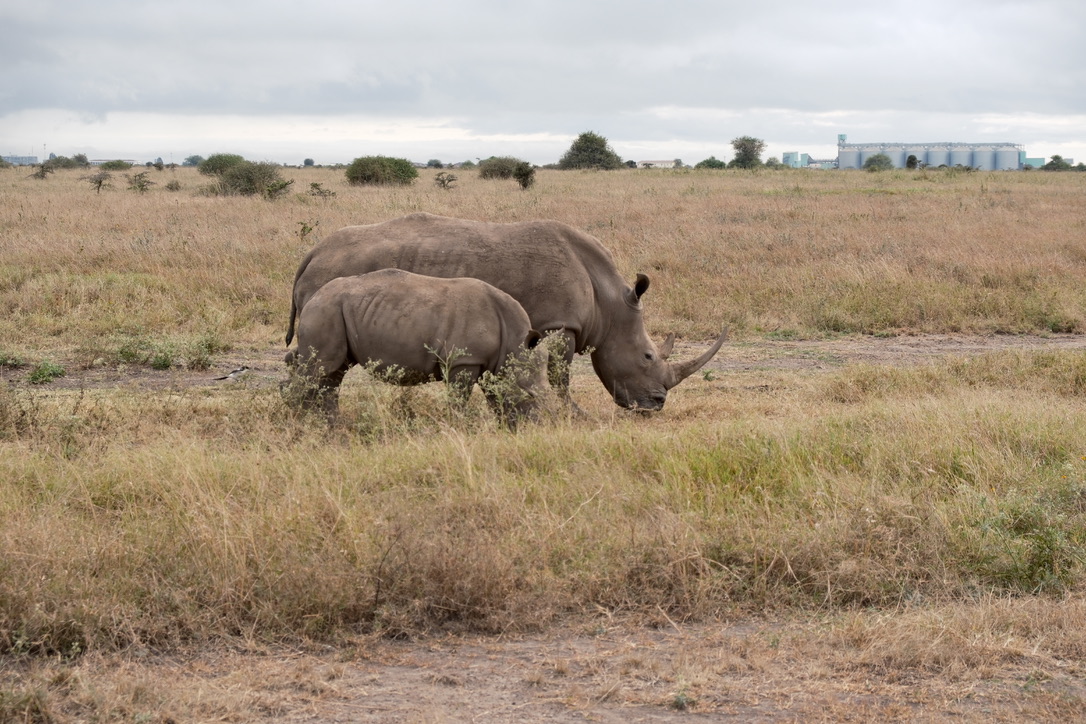
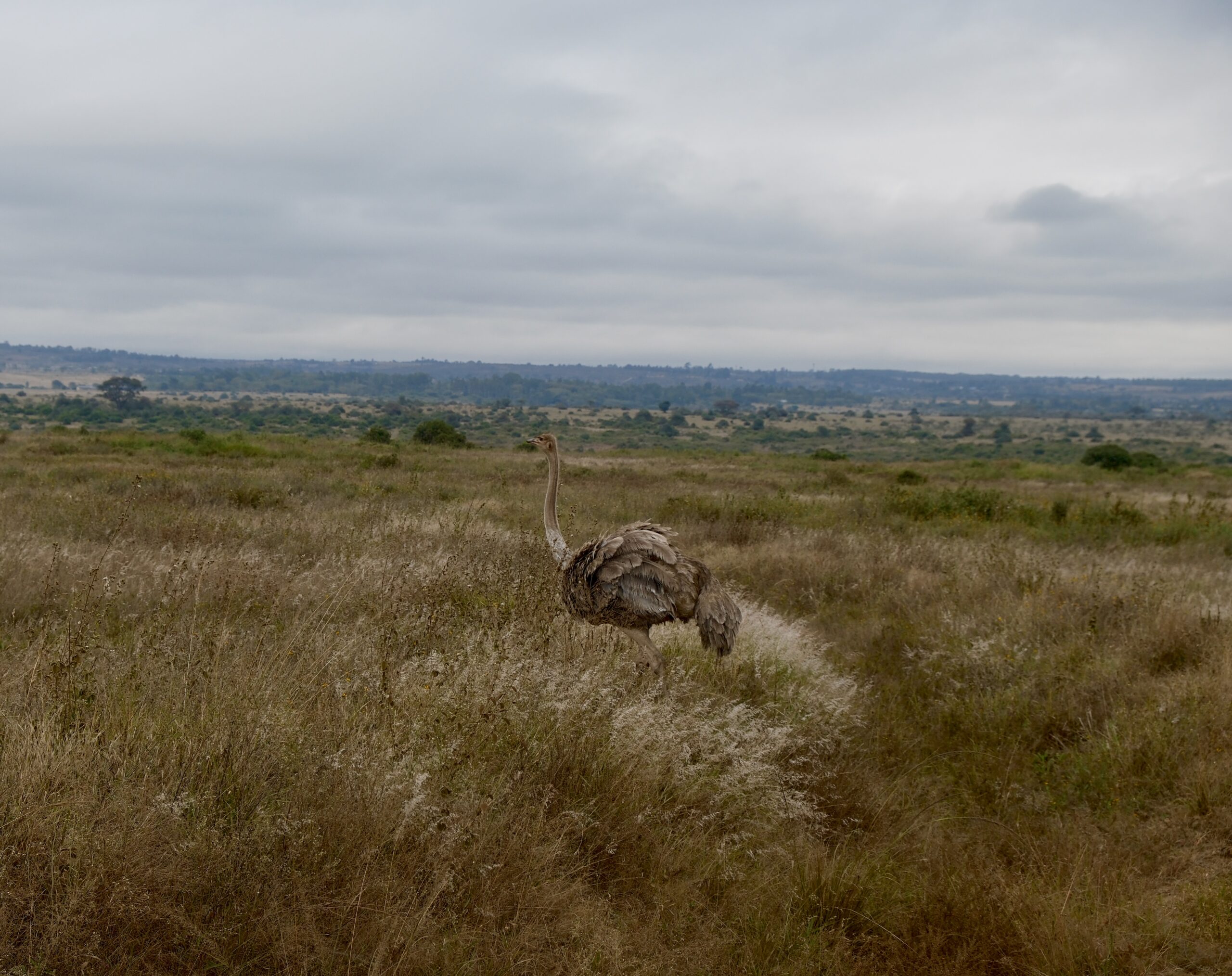
We were super close to a couple of lions by the way. Below is a picture of all the safari vehicals gather around to spot the lions hoping they’d wake up from their siesta.
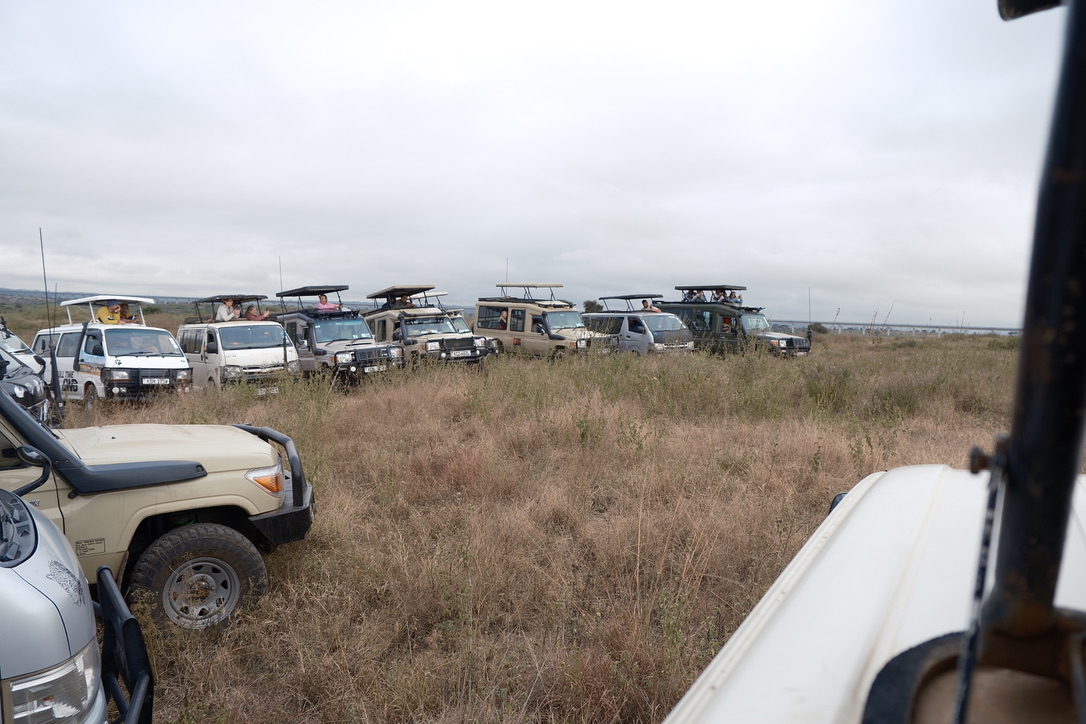
I came back from the day tour in the late evening. Here’s the TripAdvisor link for the above attraction/activity if you want to book one too.
Next, the much-avaiated adventure to masai mara began,
My entire Masai Mara trip was managed by Simba Paka Safaris, and these guys were amazing from the very beginning.
I was picked up from my hotel in Nairobi early in the morning, around 6:30 AM. We then went to their office in Nairobi to complete the formalities, which included making the final payment and paying for the entry ticket to the Masai Mara.
While you have the option to pay at the gate, it makes more sense to handle it at the office.
I tried using my AMEX and Diners Club cards to maximize my reward points, but they didn’t work. Two white guys from the UK, sitting beside me, had a MasterCard, which was declined due to “security reasons.”
Fortunately, I had one reliable card with a decent limit—the Axis Atlas, a VISA card. This was the only card that worked almost everywhere during my trip, excluding hotels. However, AMEX is accepted at every single hotel worldwide. Diners Club, on the other hand, won’t work in Kenya at all.
Once the payment is complete, the guide assigned to you will start briefing you about the trip. Feel free to ask as many questions as you like. This is also the time to mention any specific requests. For instance, I informed them about my seafood allergy to ensure my packed lunch would avoid any triggers. Since the trip to the Masai Mara is long and bumpy, having lunch packed is crucial if you want to maximize your game sightings.
In my case, my guide took care of everything.
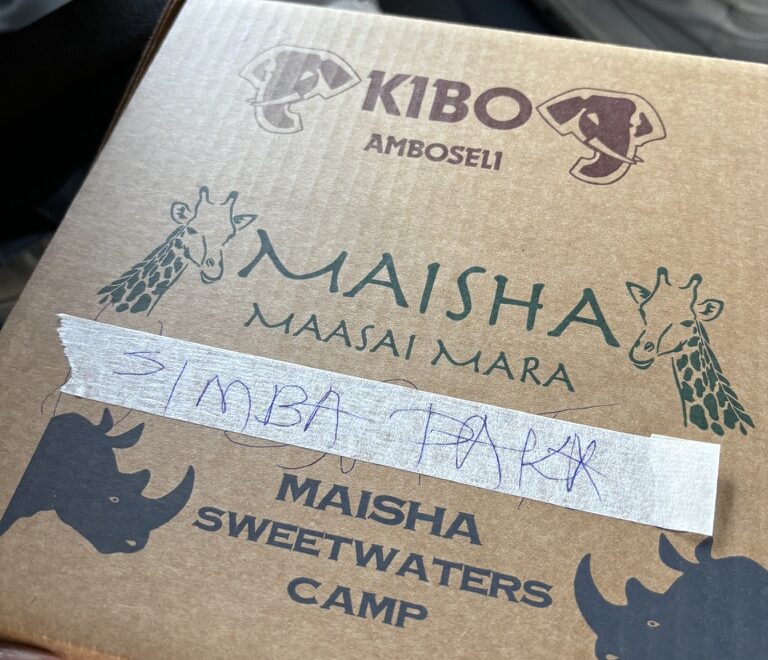
This lunch box has an egg, a lamb leg, a sandwich, fruits, juice and bread.
In Masai Mara, I had the whole Land Cruiser to meself. I had my gear, my clothes, and everything inside the car. This was the best option since I wanted to maximize my photography experience, which usually means being still, finishing shot angles, moving around gear, and more. A group tour was definitely very cheap, but to me, it meant wasted potential.
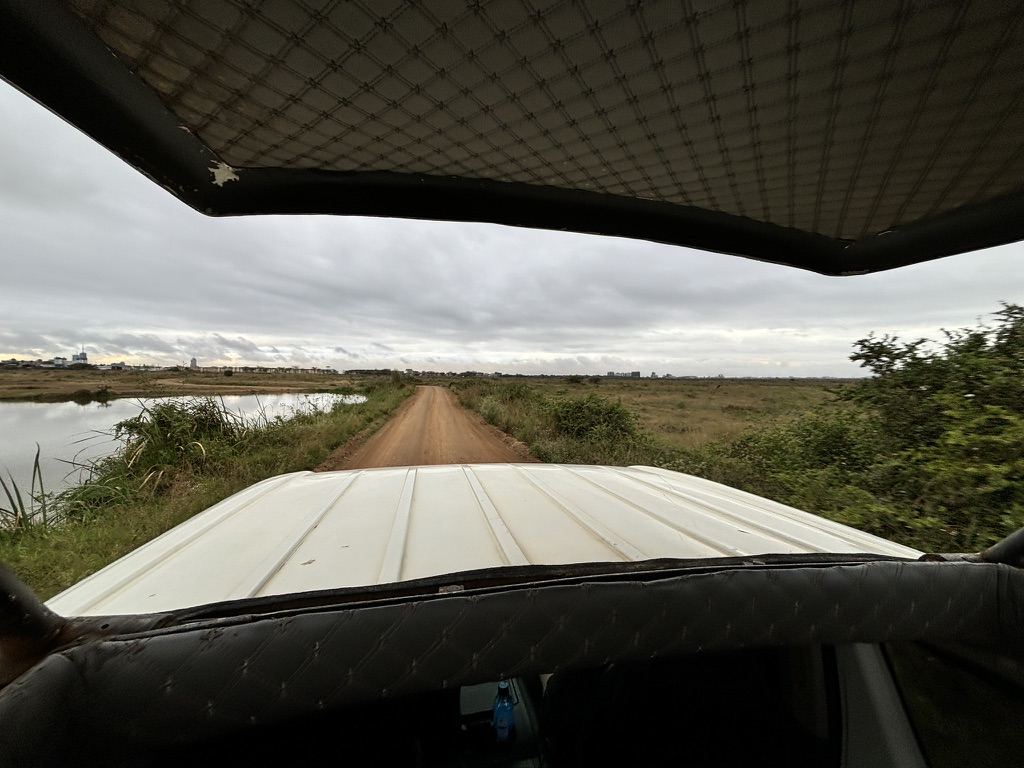
Here’s how the Masai mara looks from the safari vehicle:
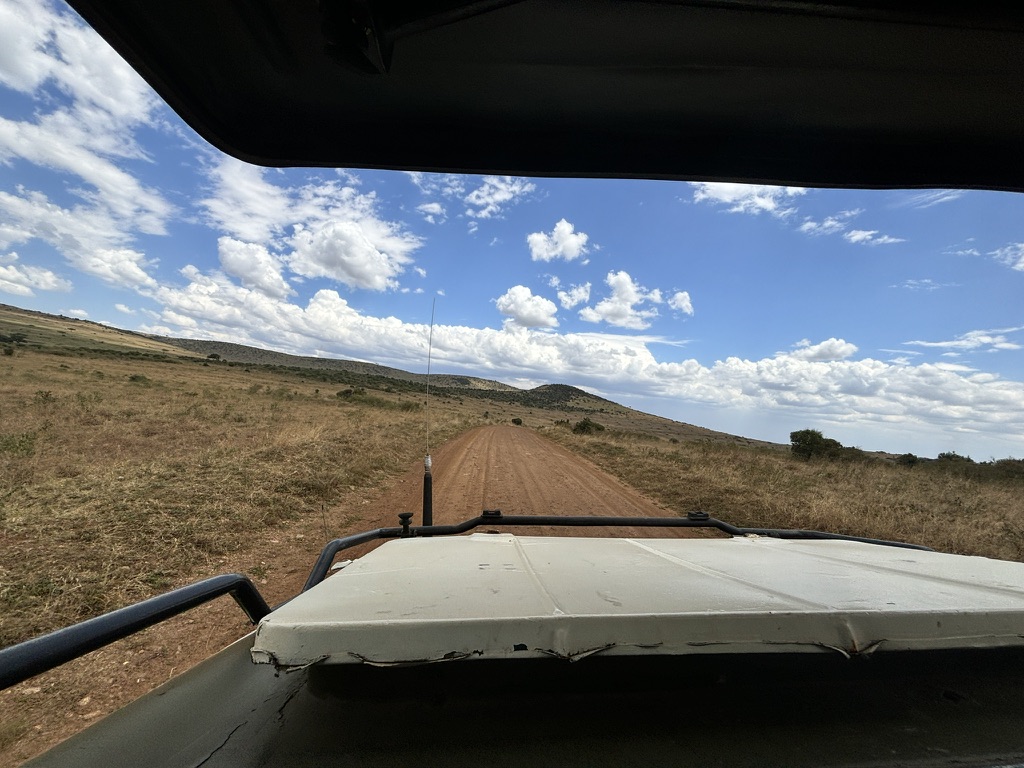
The roads are extremely rough. If you have a bad back, skip the game drive. Even with a top-end Land Cruiser and a careful driver, it’s a gamble. For chronic back issues or elderly people, I’d say it’s not worth the risk.
Your best bet is choosing a good resort inside Masai Mara that’s located near water bodies and other attractions, so you don’t have to ride a vehicle a lot. My lodge was inside the Mara near a river stream. From where you sat and had all your meals, you could spot Hippos and Crocs, lots of birds and a few boars too. And sometimes, these:
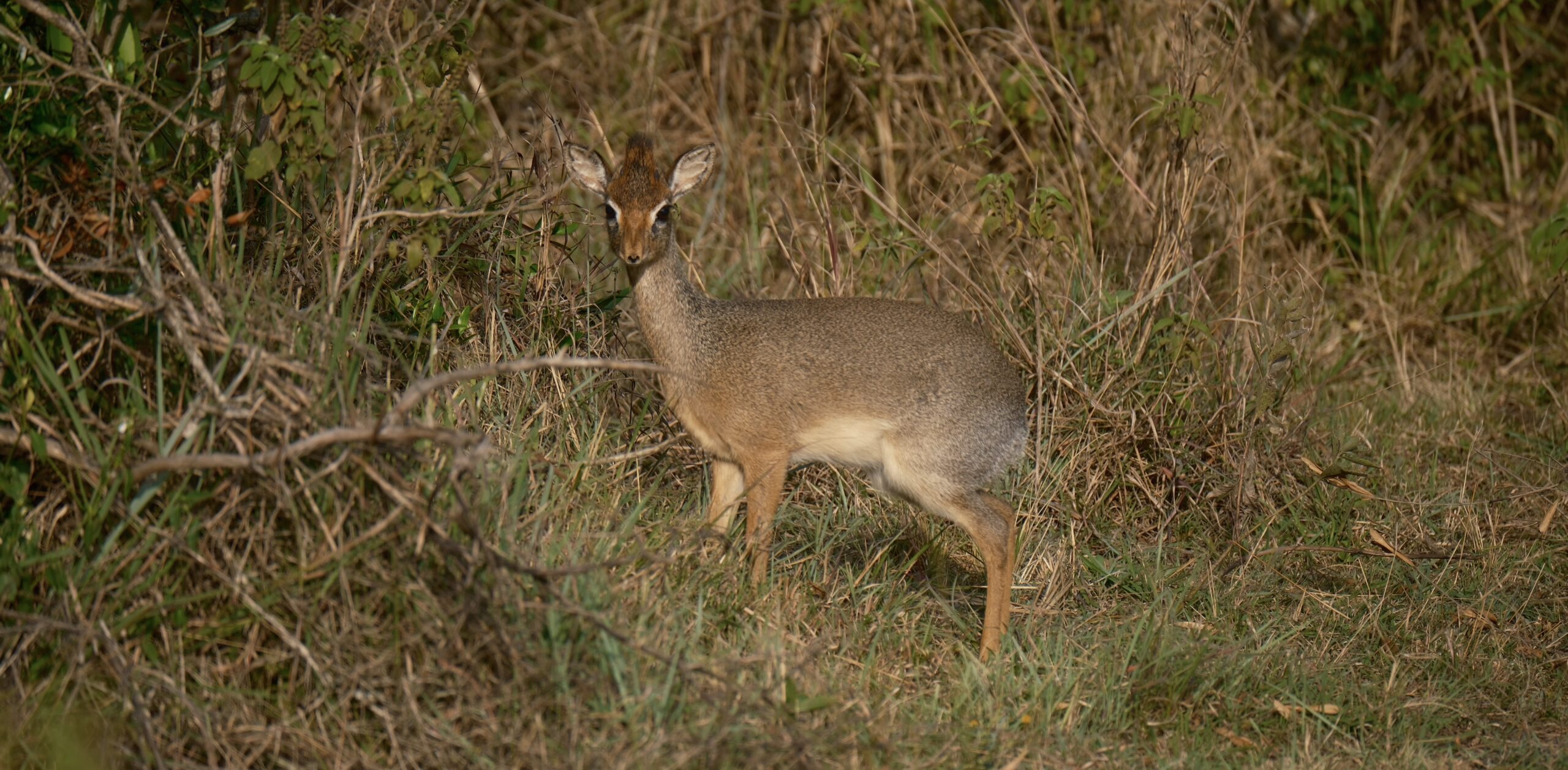
The lodge looked beautiful. Here’s how it looked from the inside and it had a porch too!
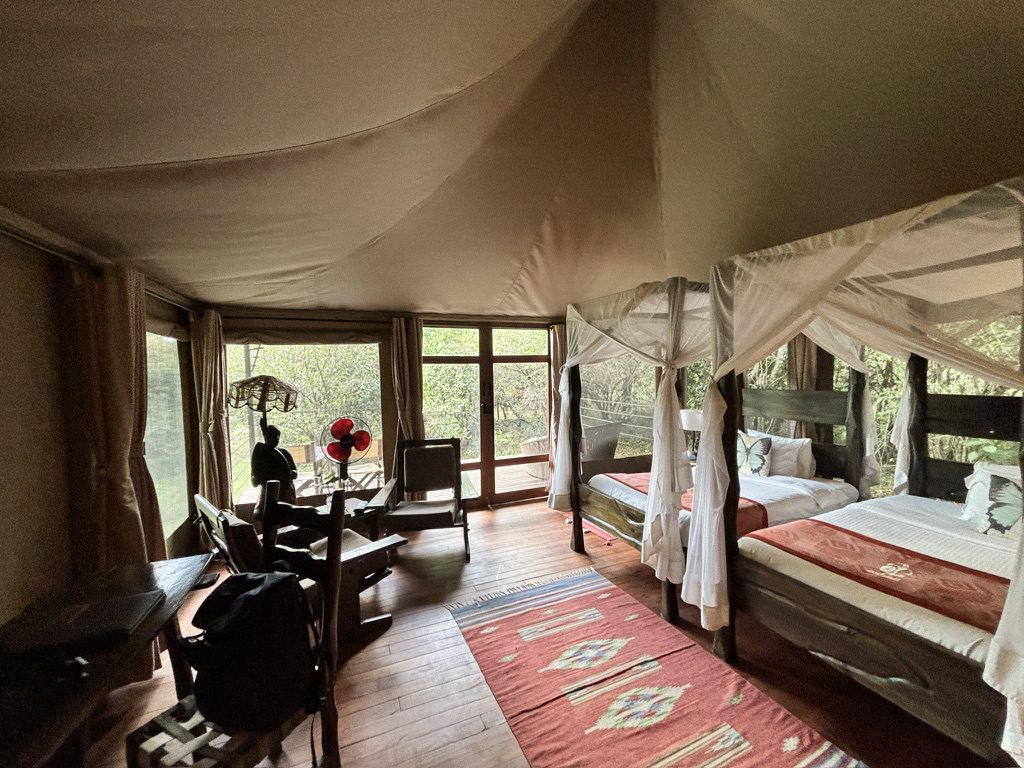
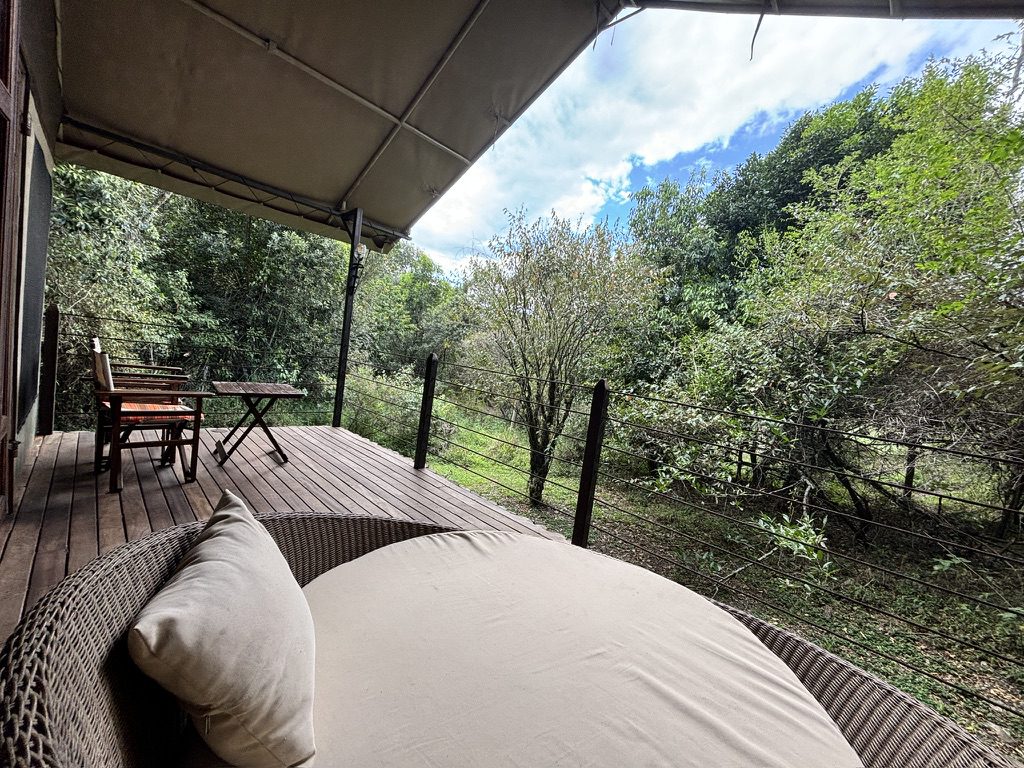
This lodge had everything from fine Indian dinner to custom pizza and great service. You could also find a couple of guides who would take you to see the sunrise from an elevated point.
Note that this lodge was part of the luxury package.
And you also get to do a little bit of game drive on your way in. The first thing we saw as we drove in the Mara and on the way to the lodge was a pair of lions.
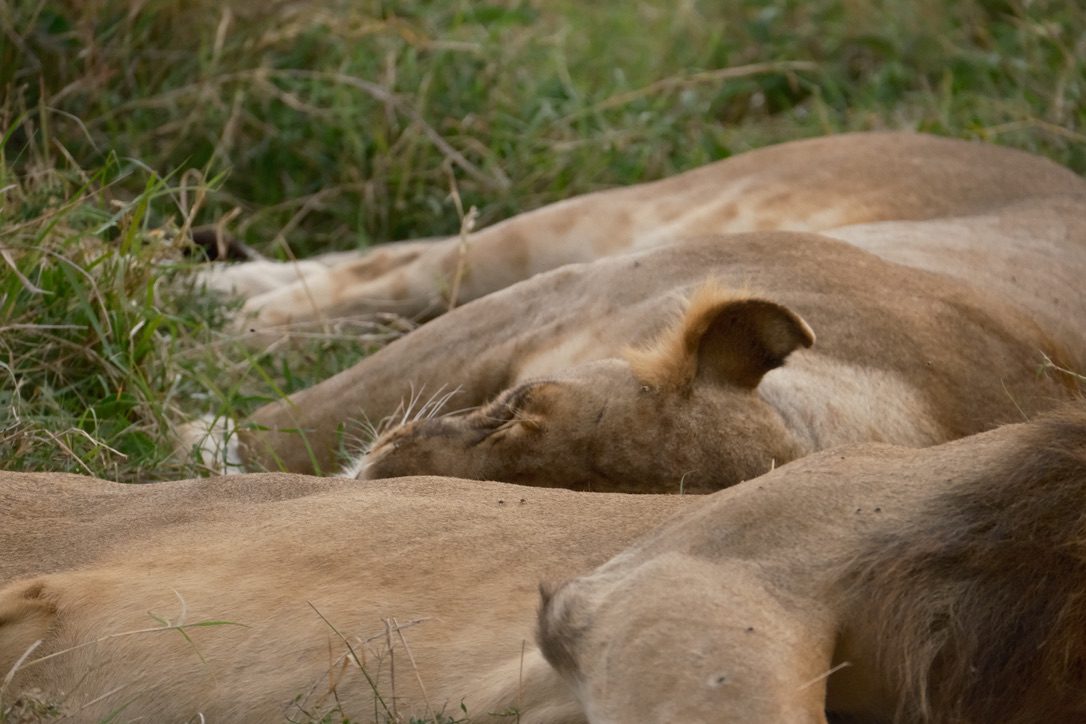
They were sleeping and looked super tired, and it I was told it wasn’t hunting that made them so sleepy :P.
Anyway, we sat there for more than 30 minutes to get the setup going, And finally, I was able to get a few good shots with my Fuji XS20 + Fujion 400mm. WordPress will compress the images here so please check out my glass profile if you want to see the high-quality images.
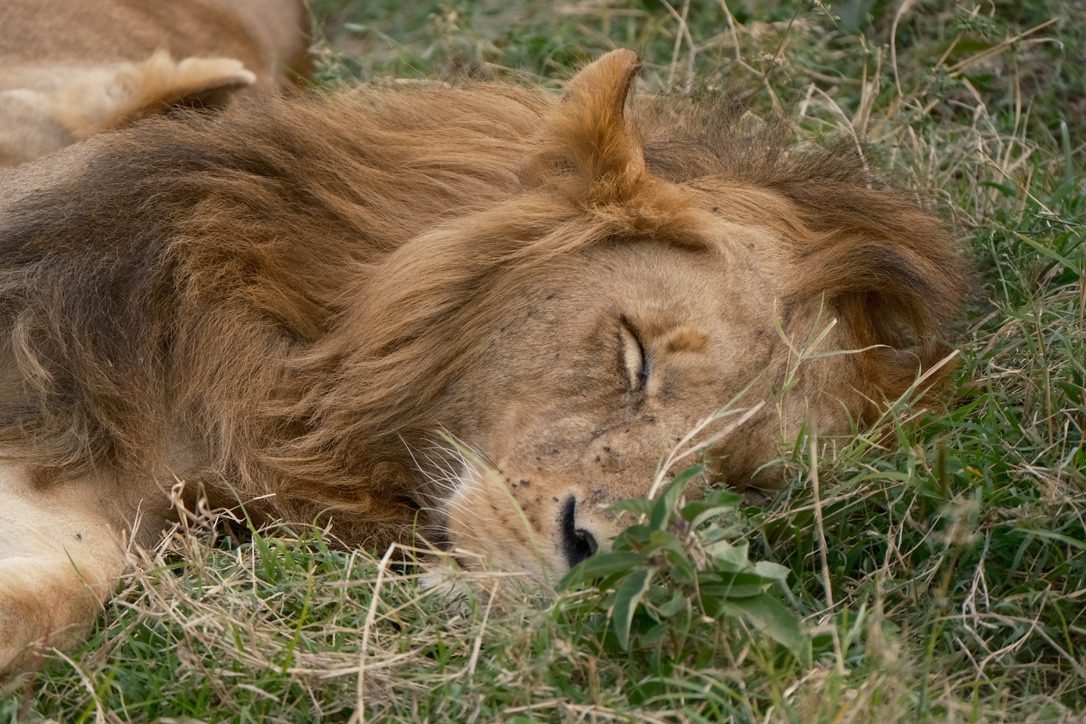
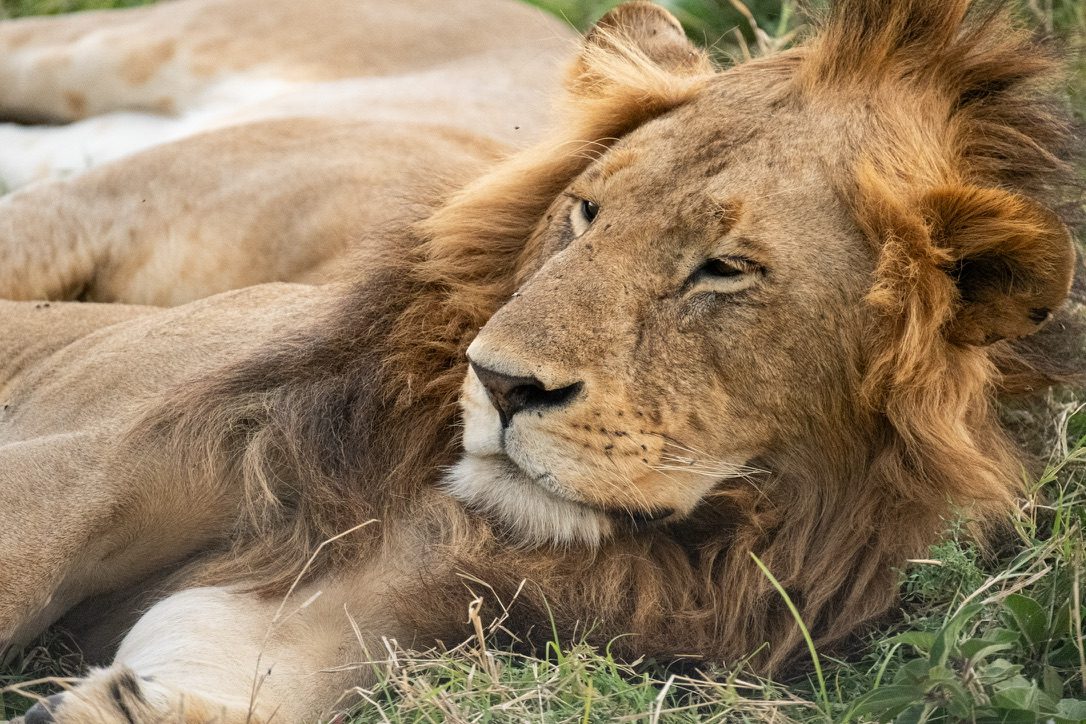
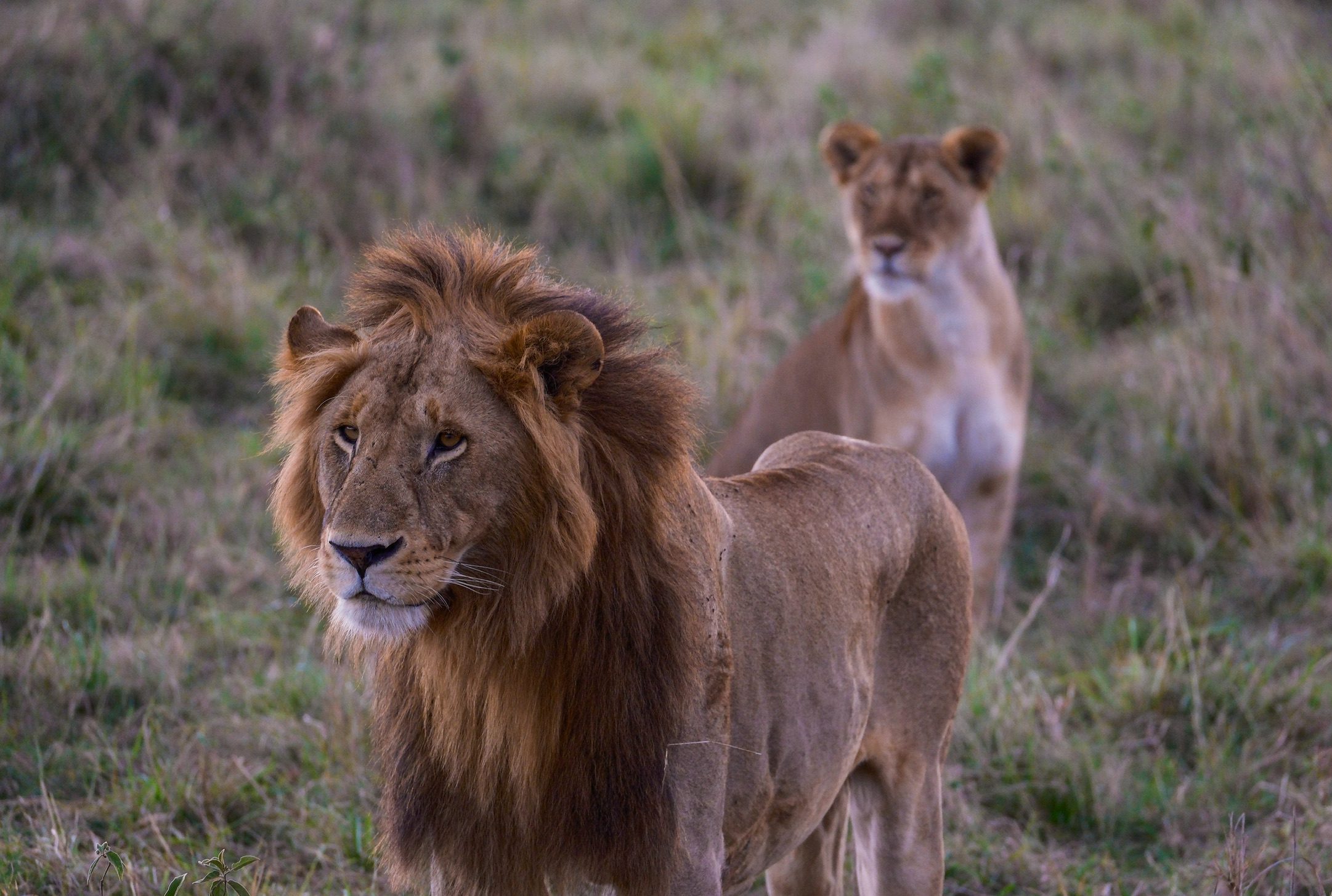
The last photo is RAW. The first two have a fil simulation going on plus I’m using a warmer profile on M mode.
The lions are the only animals who won’t look at you even when you’re like 6 feet away. They don’t pay attention to anything that doesn’t concern them, especially us. Every other animal will look at you. Maybe because they have to protect themselves and their instinct makes them inherently precautious.
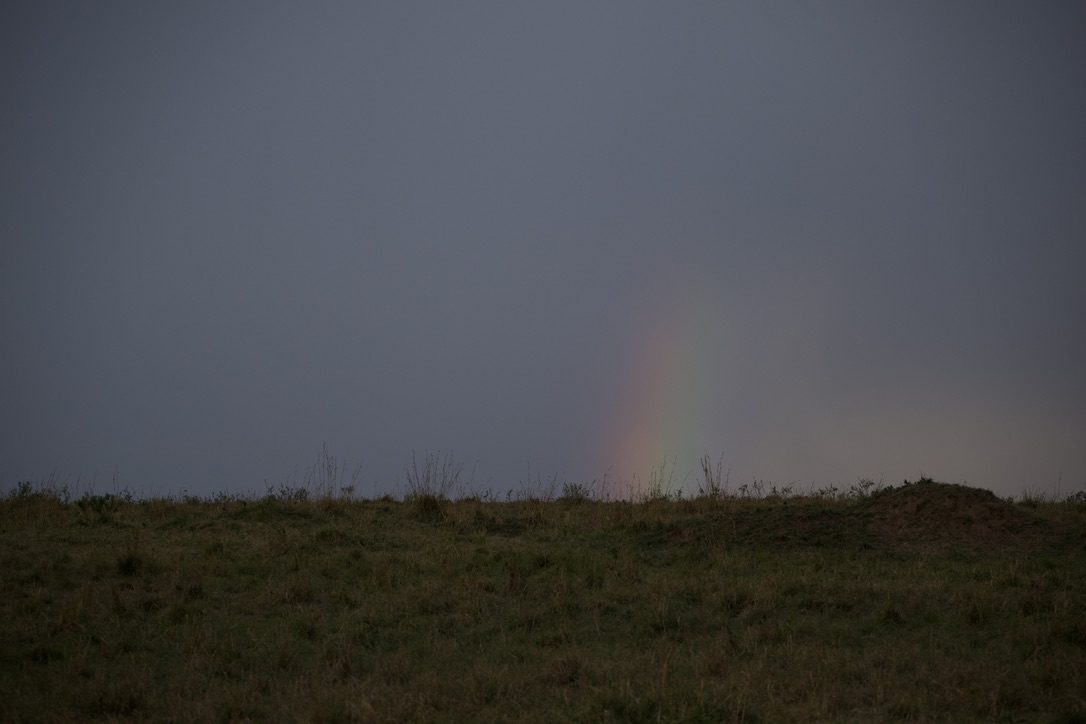
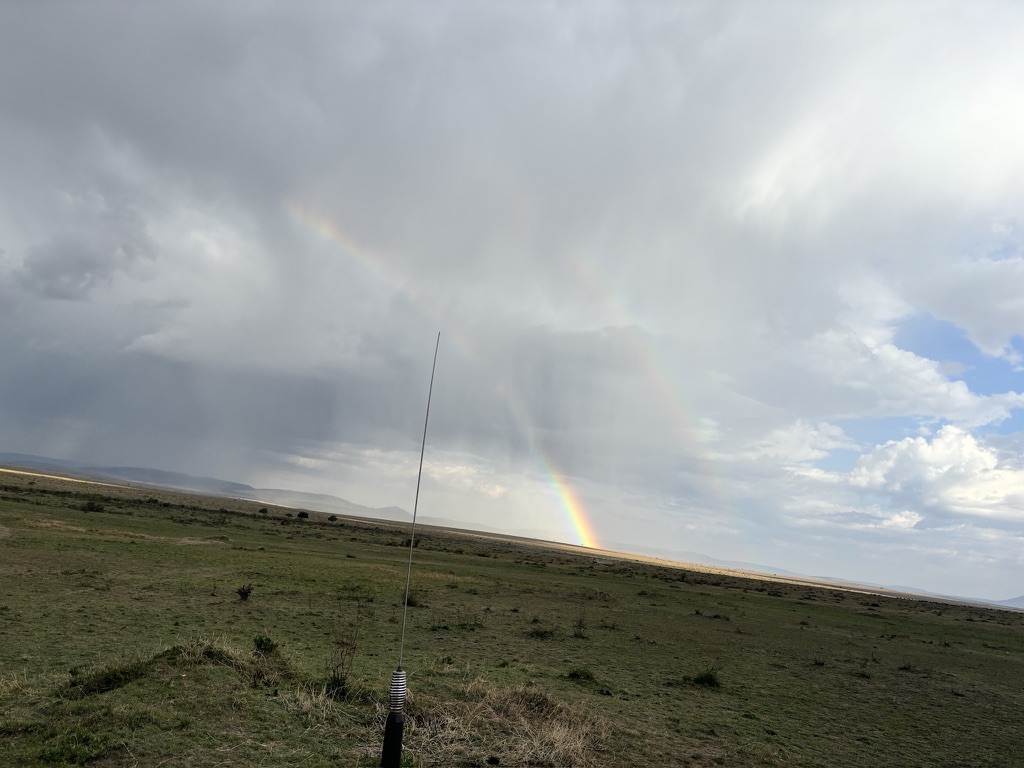
So after we were done with spotting the lions, we started moving deep in the Mara, and we also saw a beautiful rainbow on our way in.
I go to the lodge pretty tired due to the bumpy ride plus about 6-7 hours of journey from Nairobi. The lodge was very welcoming and offered quick check-in with refreshments. Finishing my work later that day, and having a nice english dinner, I went to sleep. Cause you gotta wake up early in the Mara.
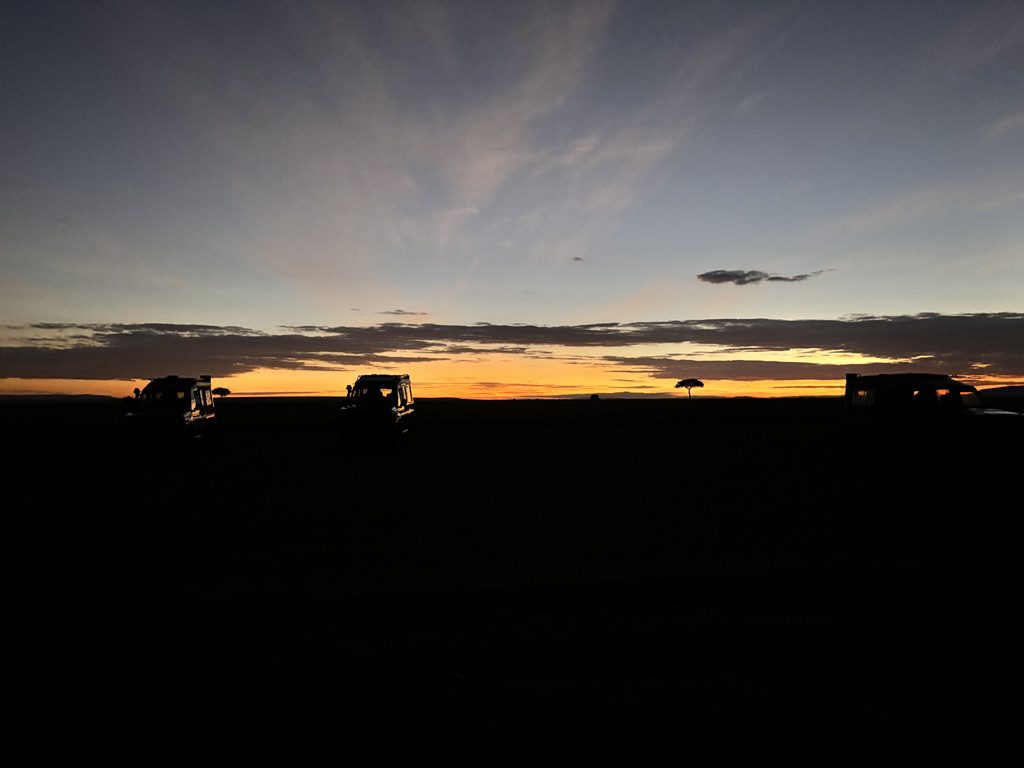
The next day, I woke up at 5 because we needed to reach our hot air balloon spot by 6. We arrived on time, and the weather was a little chilly.
The hot air balloon captain, Riz Jiwa, was of Indian descent, and his son Rohan, around 9 or 10 years old, was a delight to hang out with. I handed him my camera setup (which I almost never do), even in the middle of the flight, and took his father’s Nikon for a spin.
Viz said something that made me proud of being Indian. I asked if he was okay with me shifting a little to the side and moving his camera bag, which might have cramped his space. He looked at me and said, “You’re my guest. You shouldn’t ask me if I have a problem—I should ask you if you’re having a problem and address it. That’s what our culture teaches us.”
Those were his exact works. Incredible parenting by Riz and his wife (who’s Dutch).
Now the Hot Air Baloon ride was fantastic! I loved everything about it except getting in and out.
It’s close, but a bit more clarity would help. Try this:
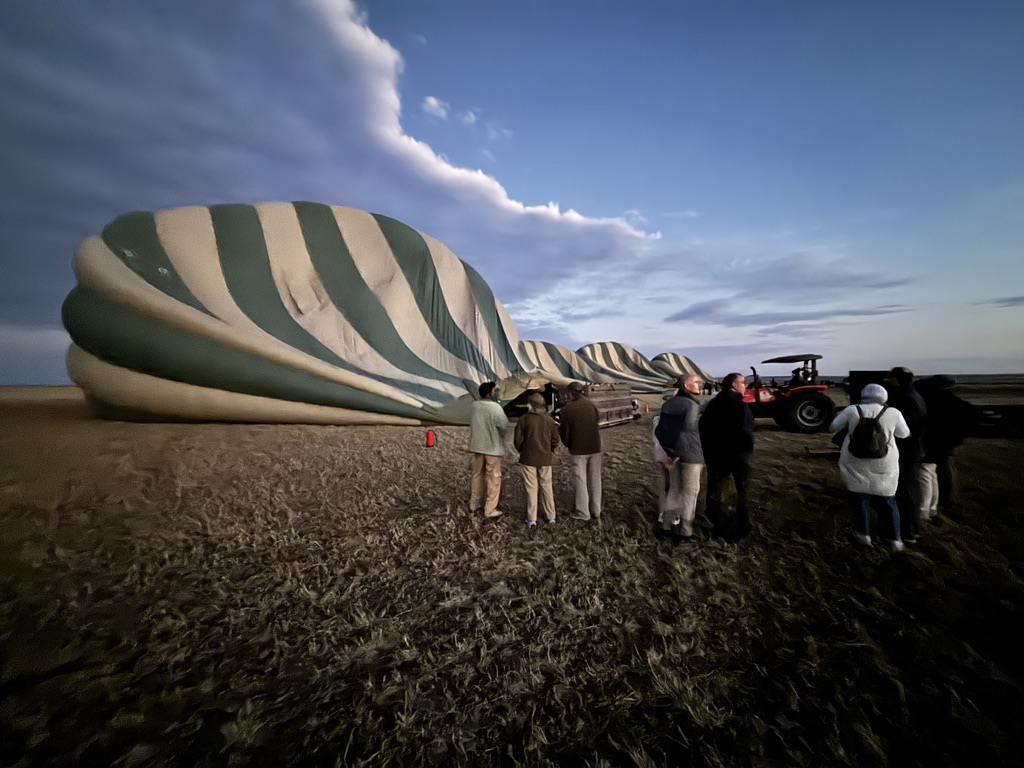
The basket is tilted perpendicularly on the ground, so you have to climb in while it’s on its side, lying with your back flat against what feels like the floor. Once everything is set and ready, the balloon takes off, and the basket gradually straightens upright as you rise into the air.
Here’s how it looks when it’s getting ready:
Once you’re in the air the view and flight experience is out of this world. Truly mesmerizing.
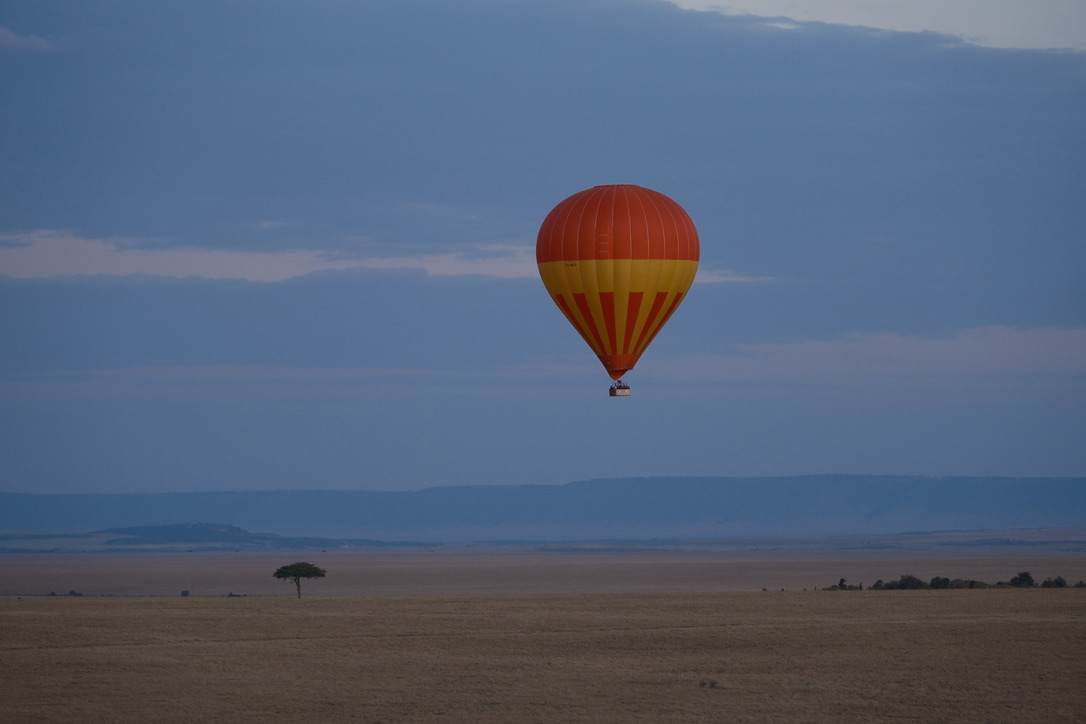
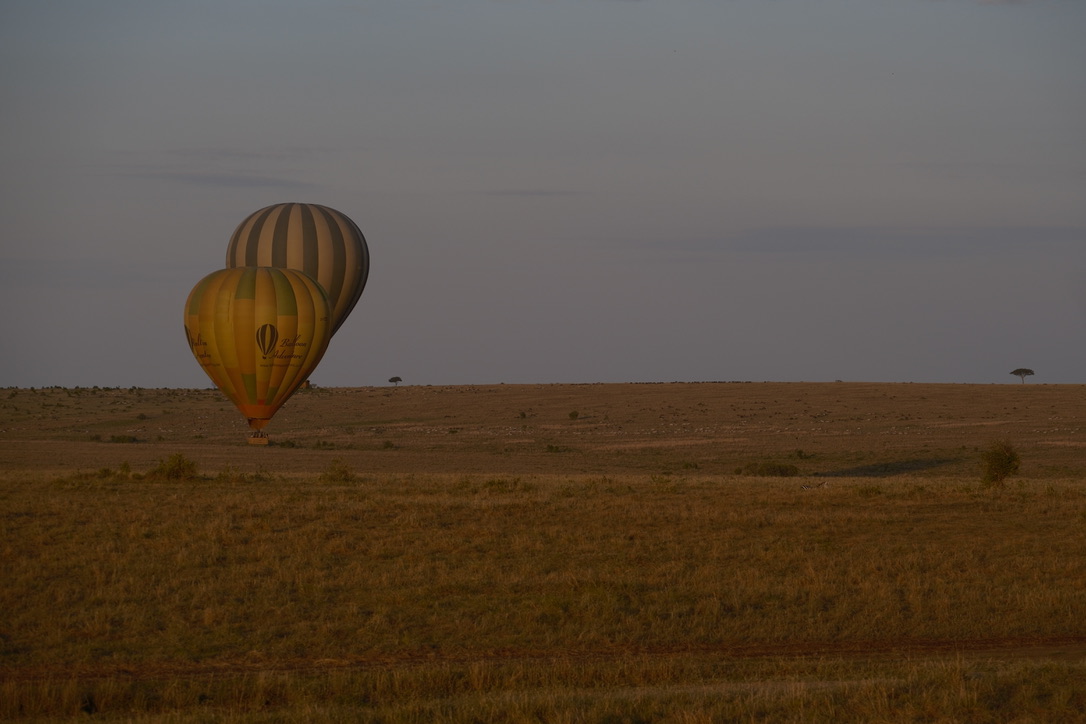
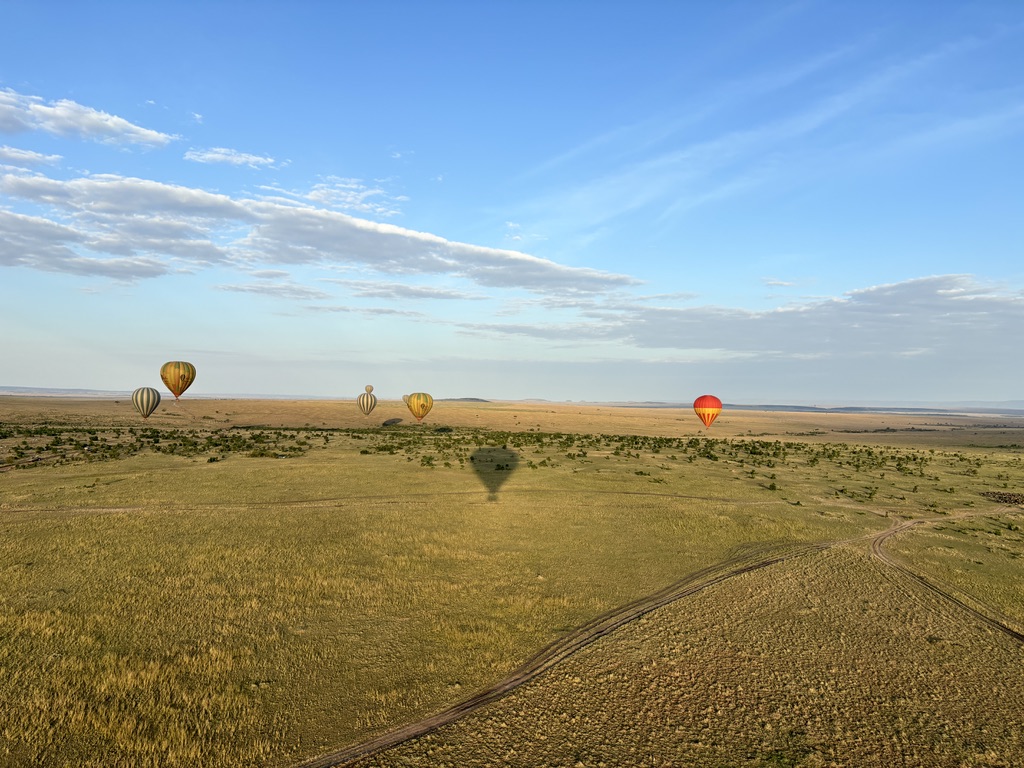
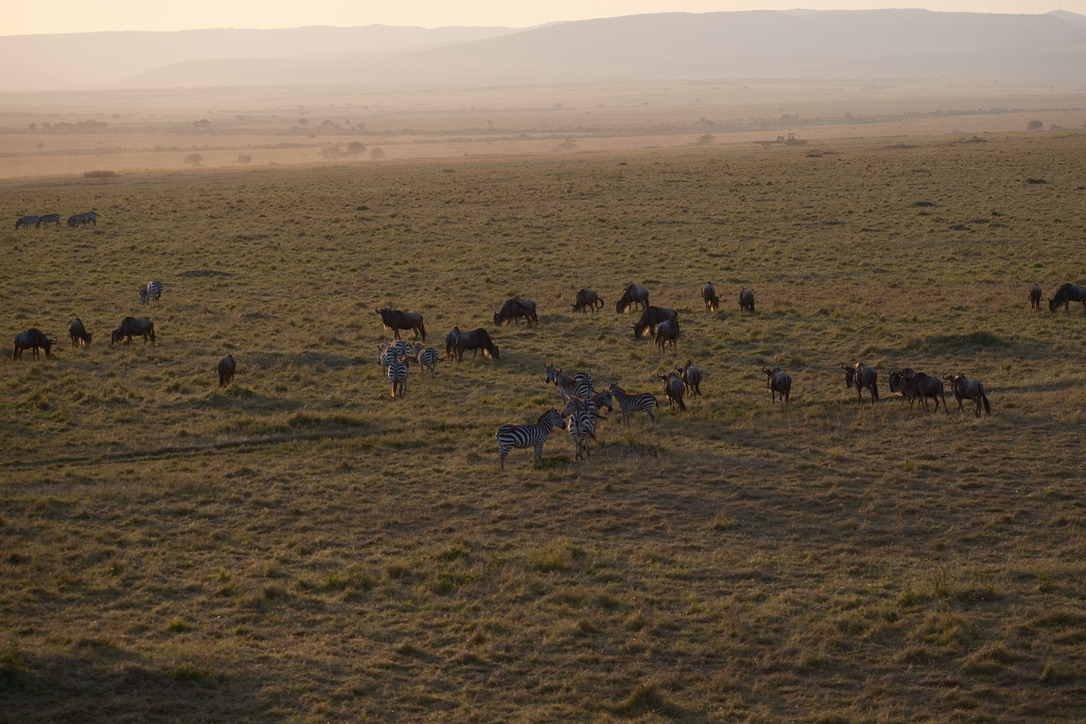
The ride was about 30 minutes long but our instructor, Riz, made every effort to make it a memorable moment.
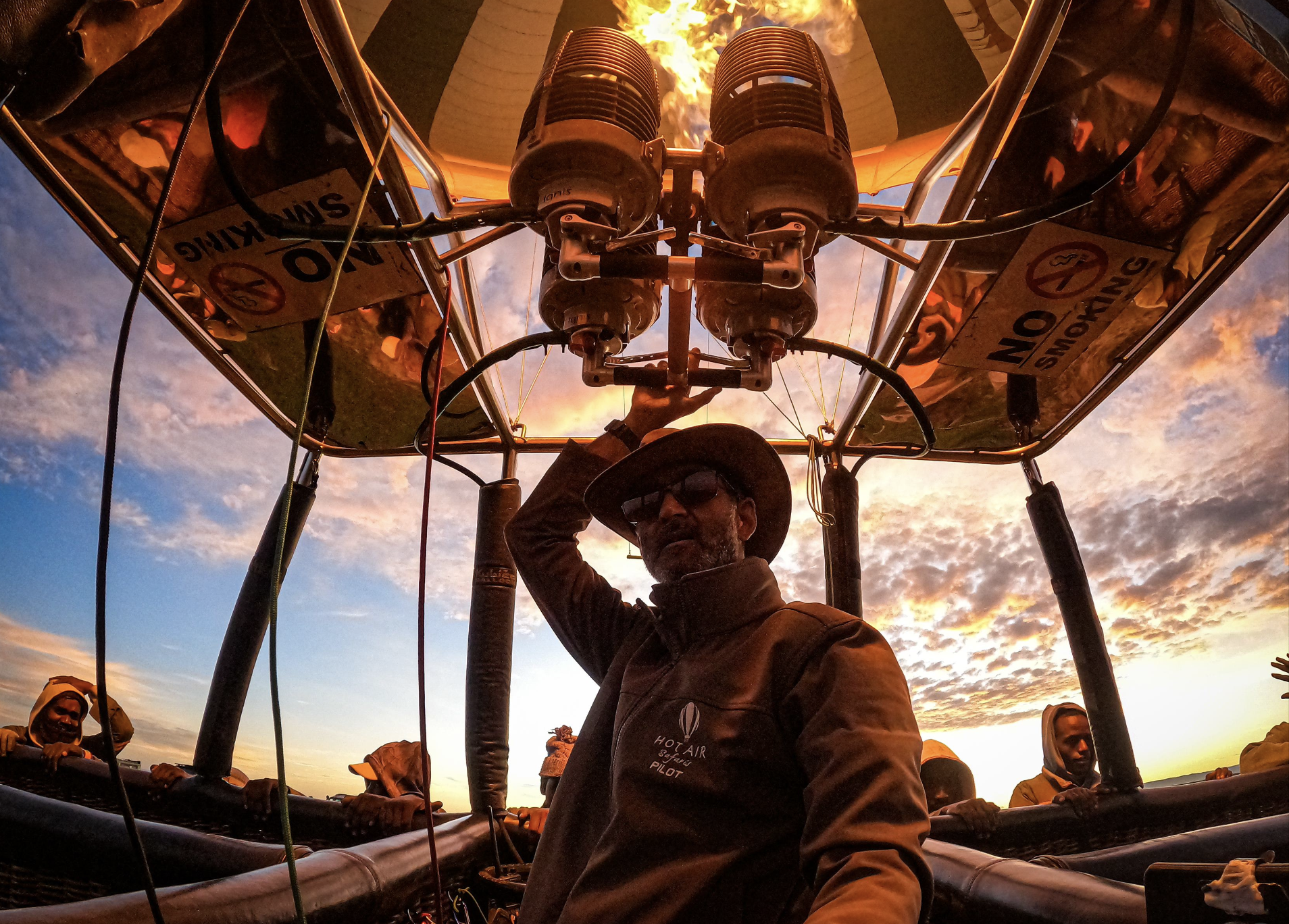
Then we got off and had a nice champagne and buffet breakfast in the middle of the mara. Yup, it was pure bliss.
Fishing for our breakfast, we resumed our game safari. This time, we spotted a pack of lions in a very close encounter—similar to the scenes you see in videos where lions cross just inches from your knees while you’re seated in an open vehicle.
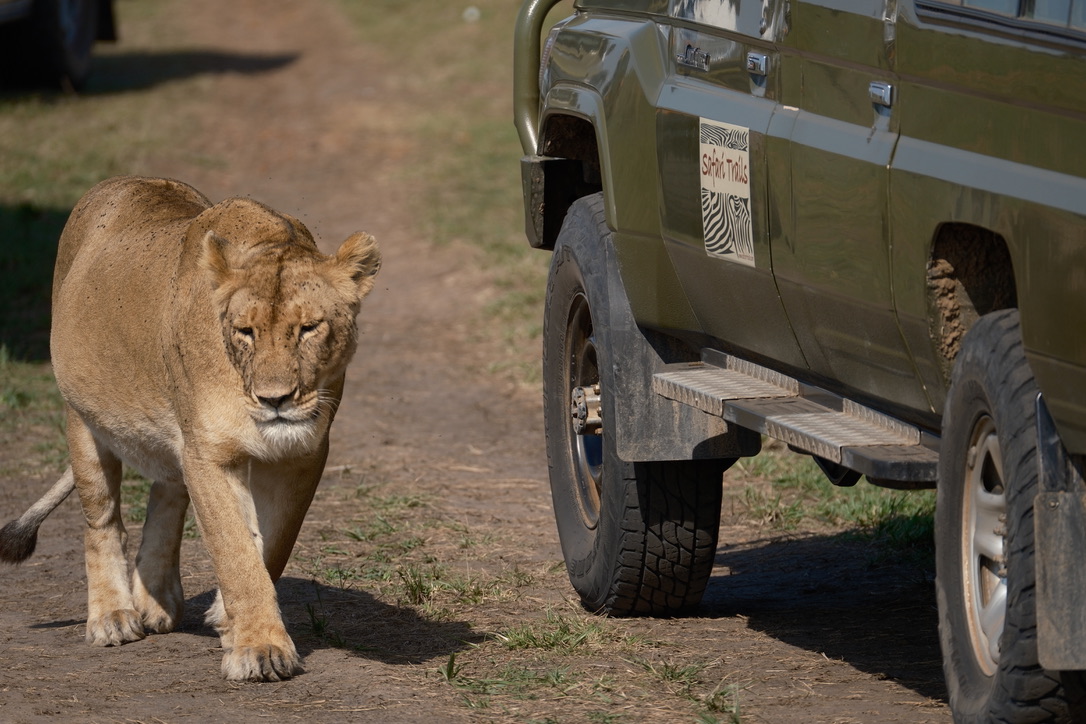
They, just as before, remained unbothered by anything and kept walking by, sometimes pausing for the cubs.
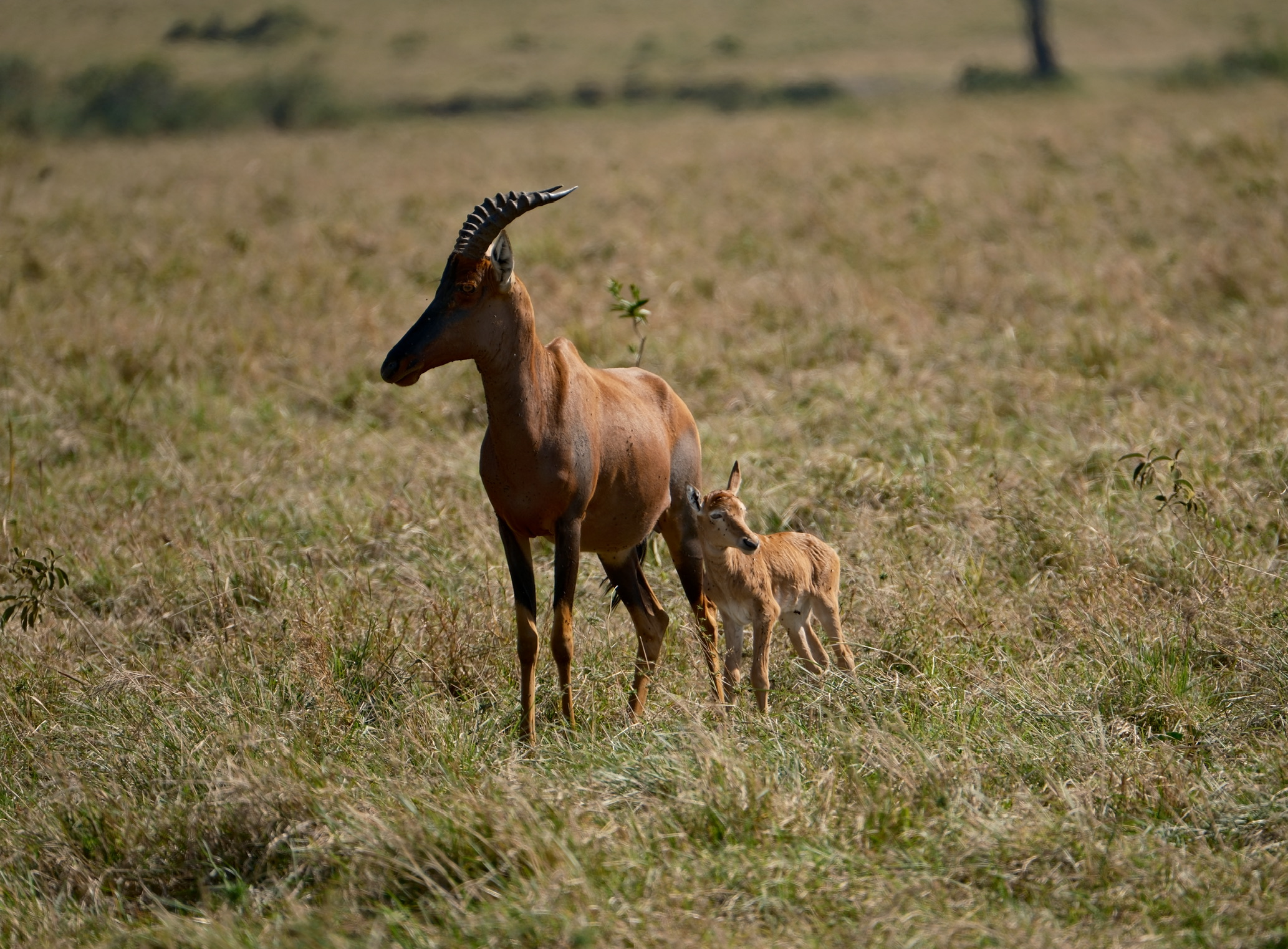
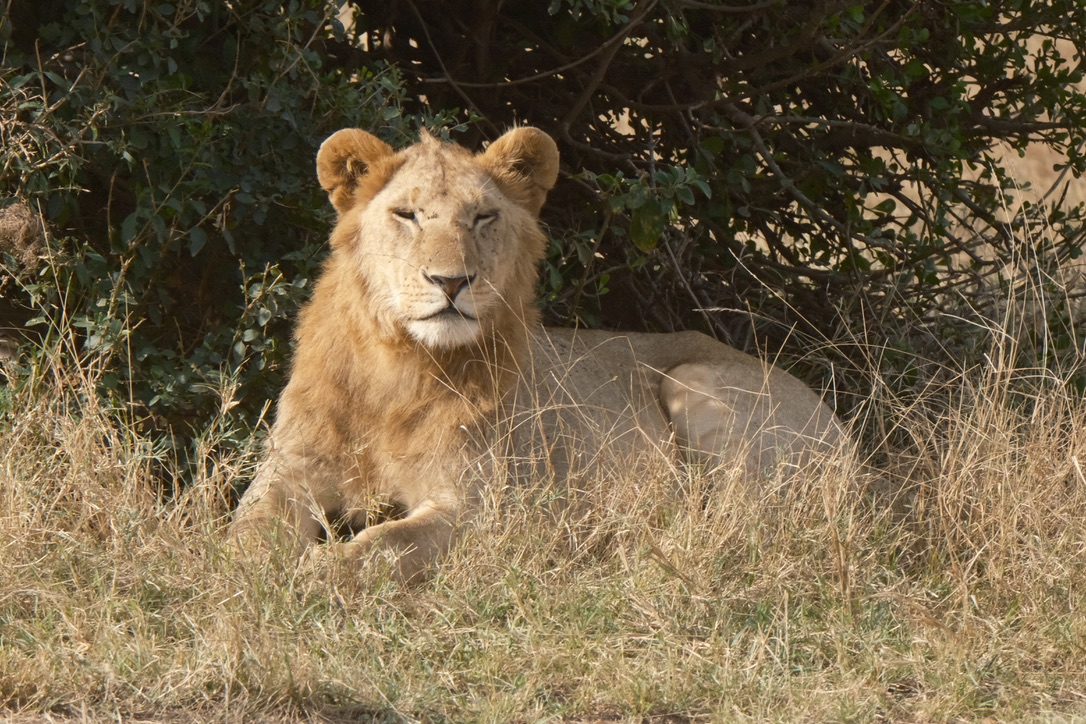
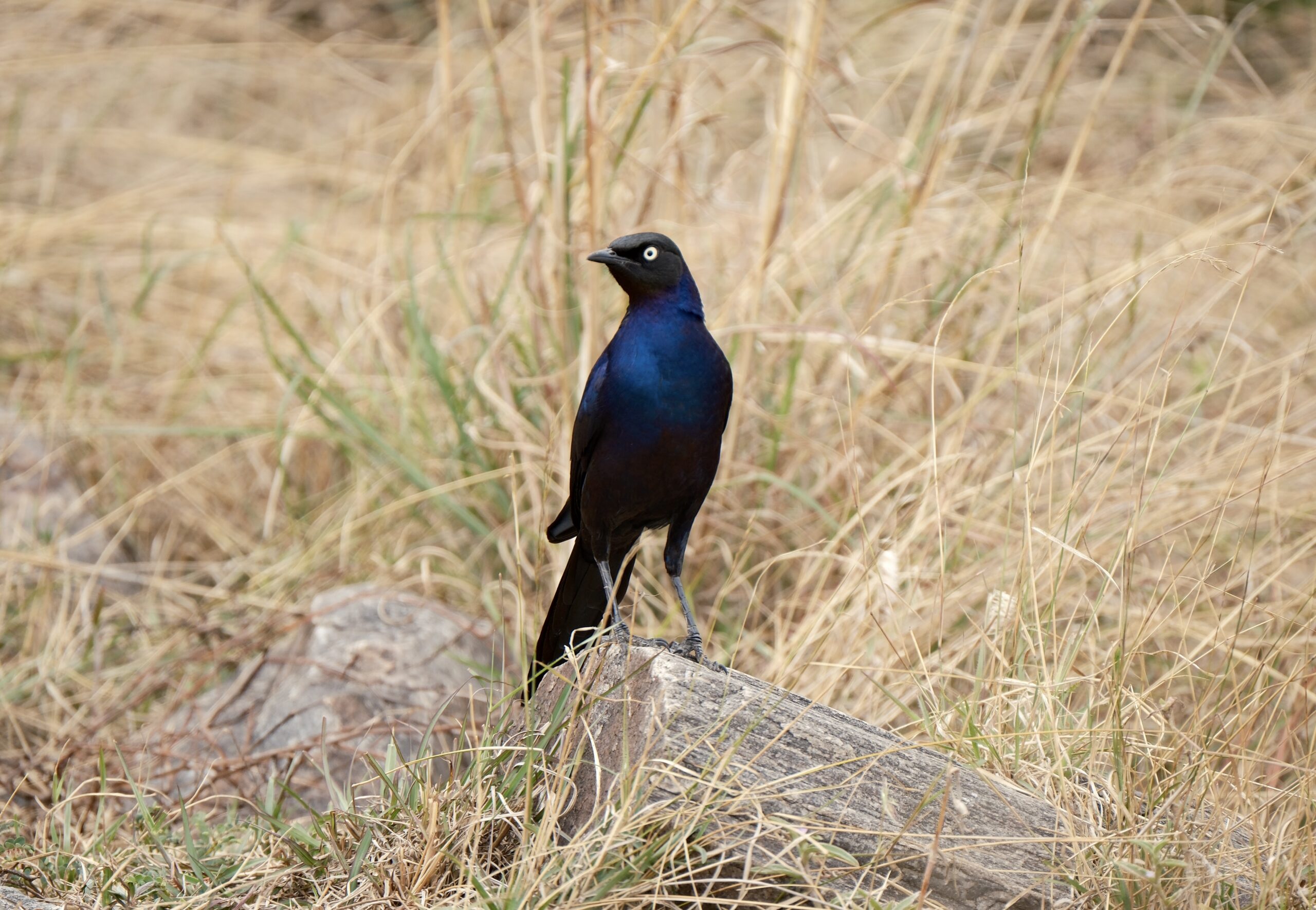
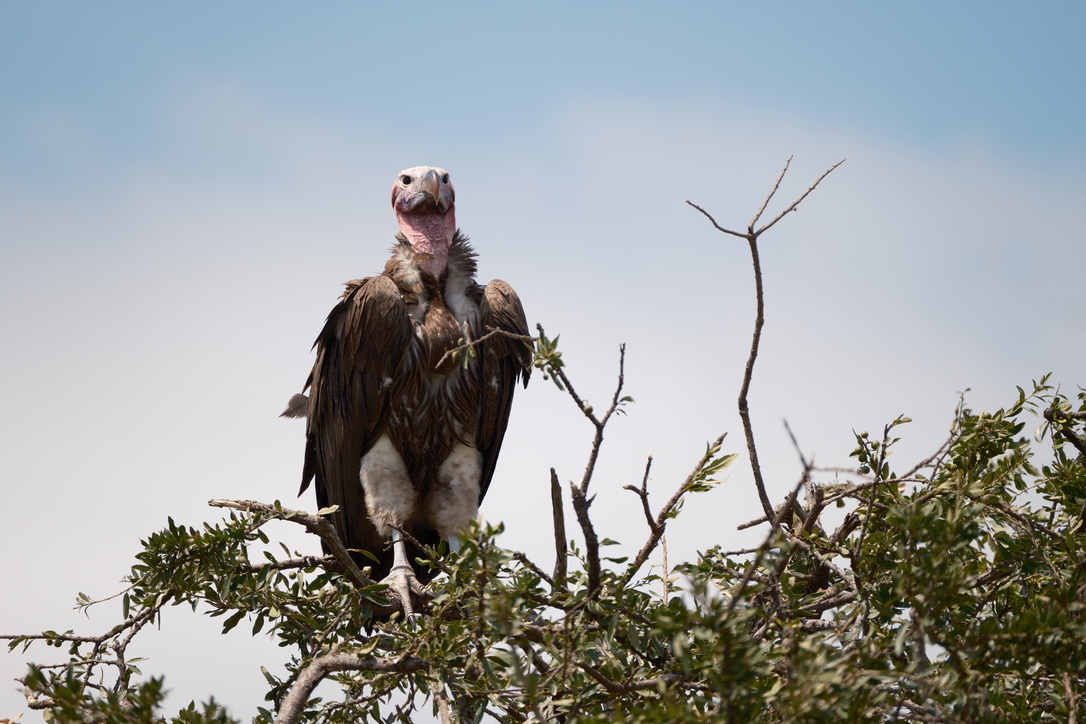
This was a rather productive day as we saw a lot of animals, here are a few:
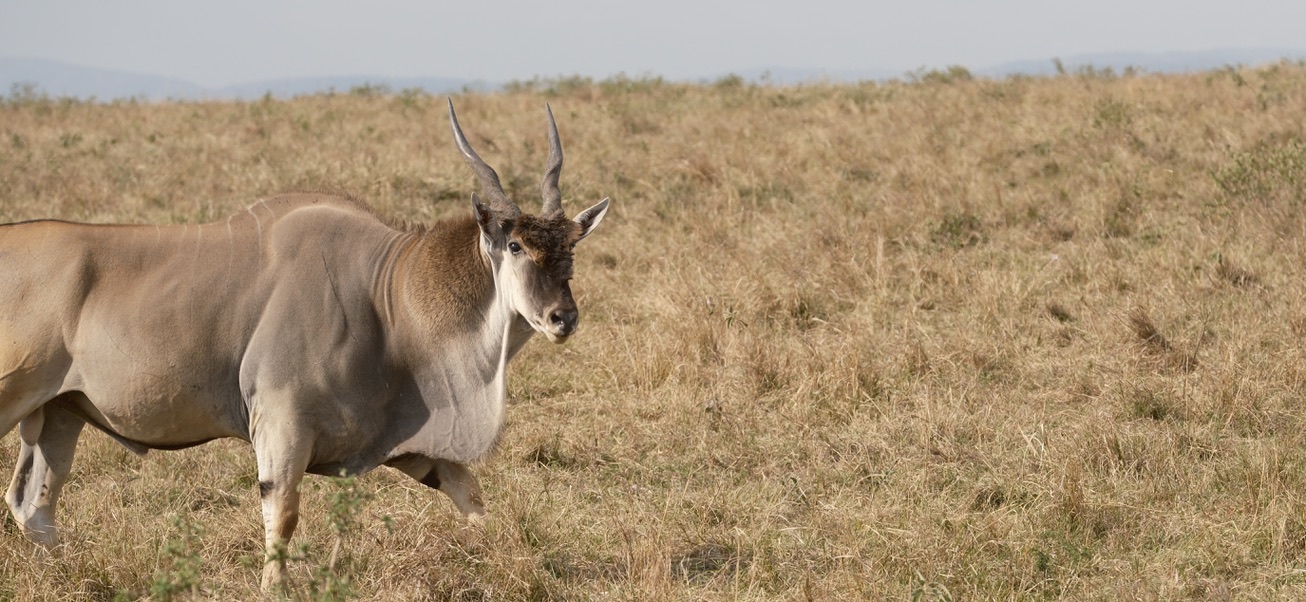
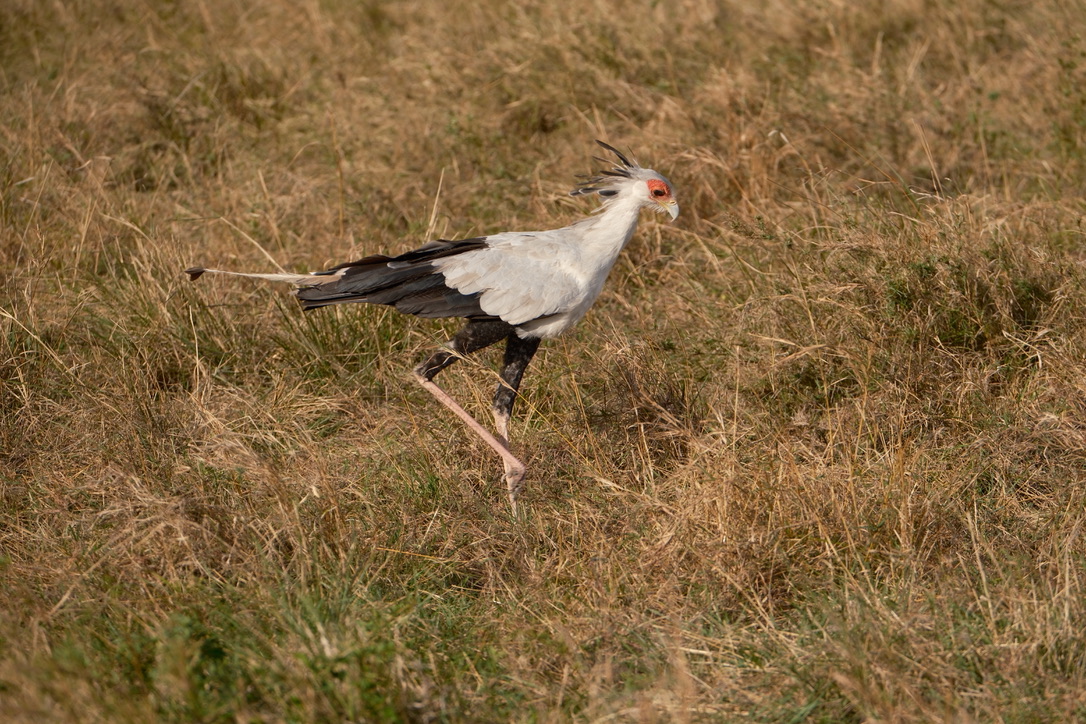
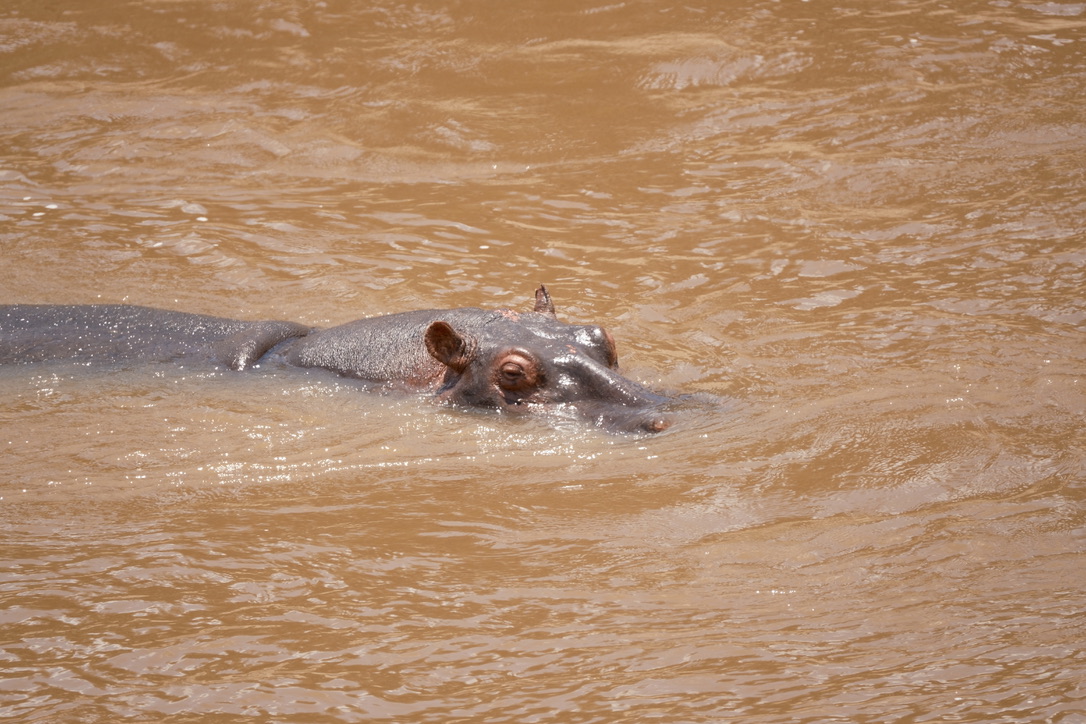
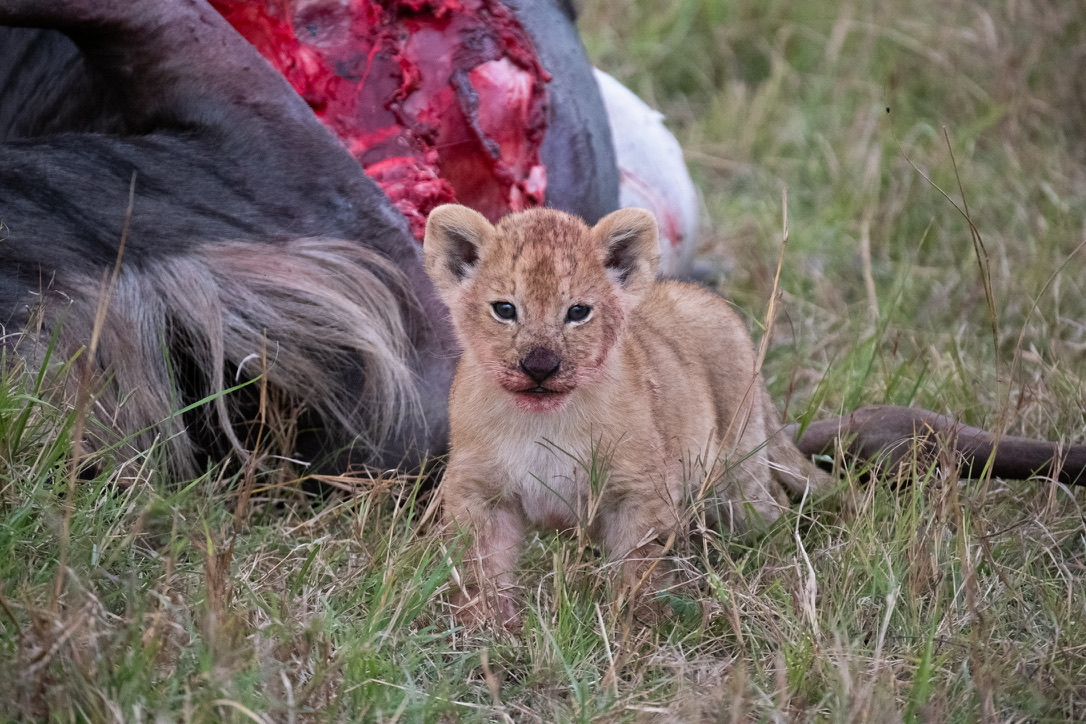
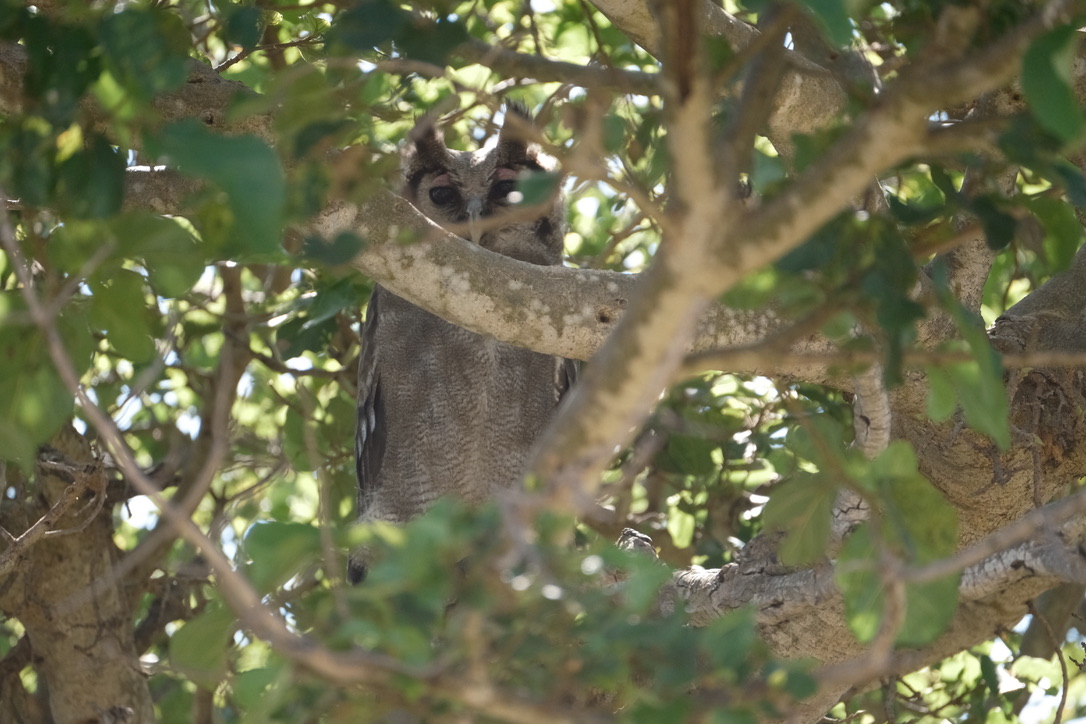
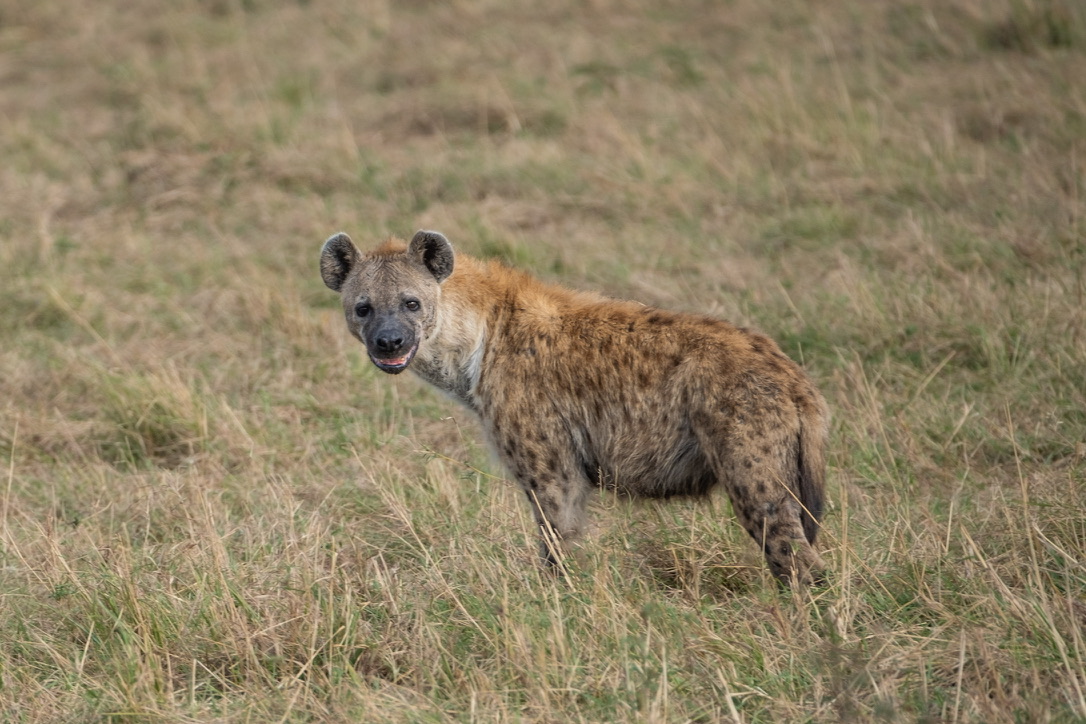
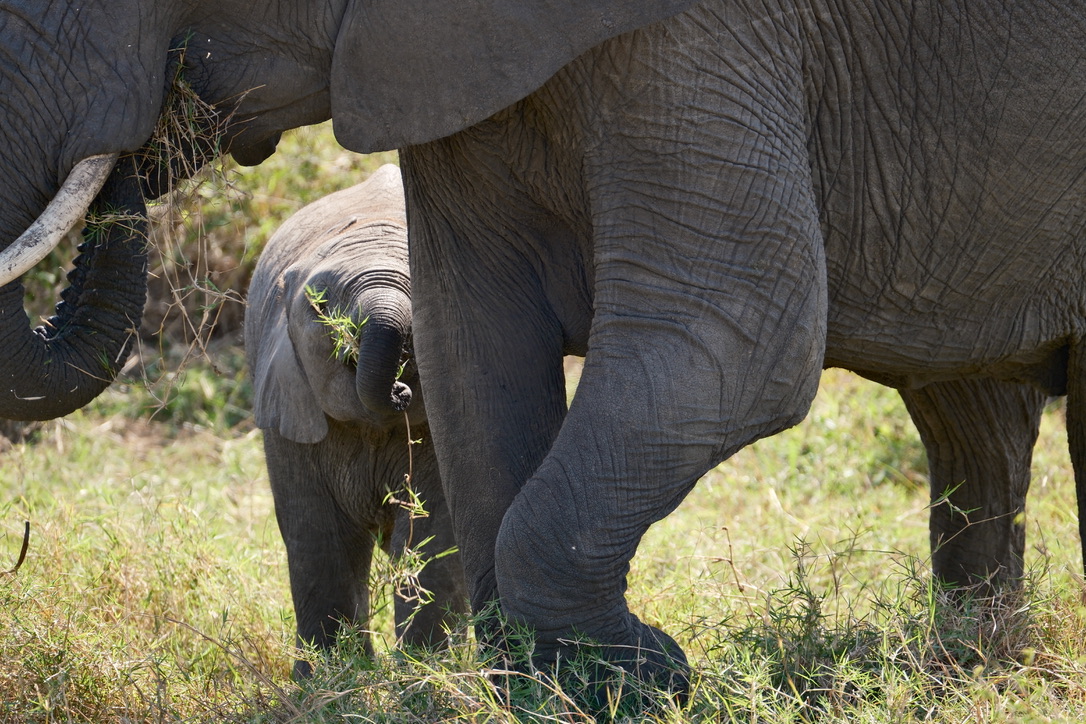
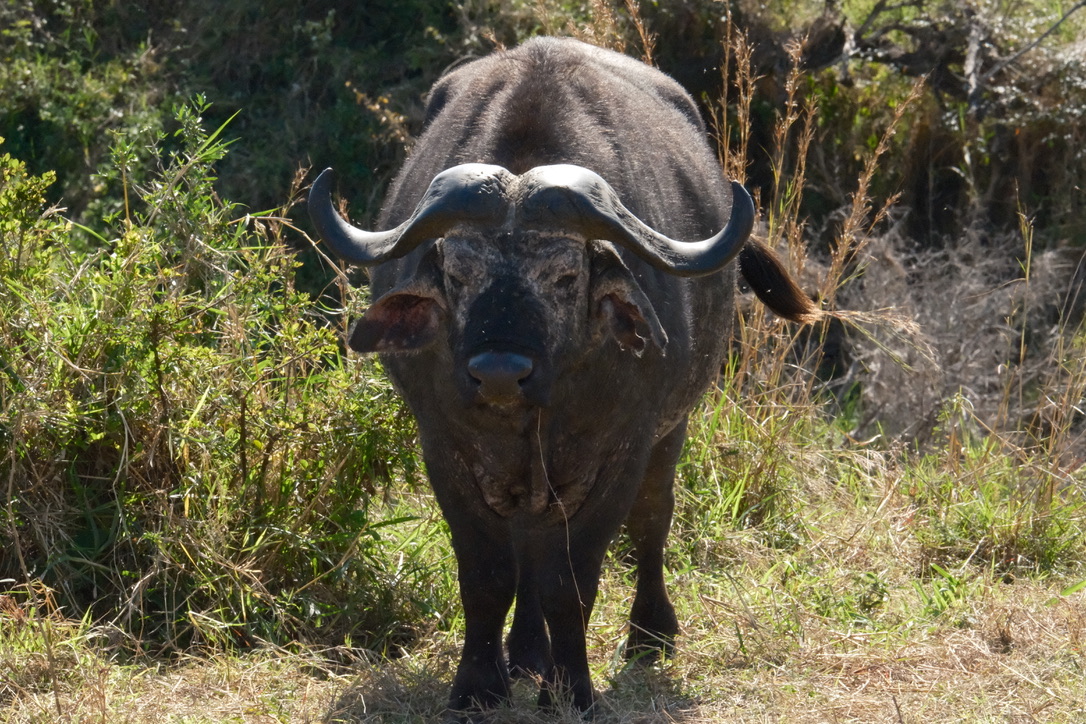
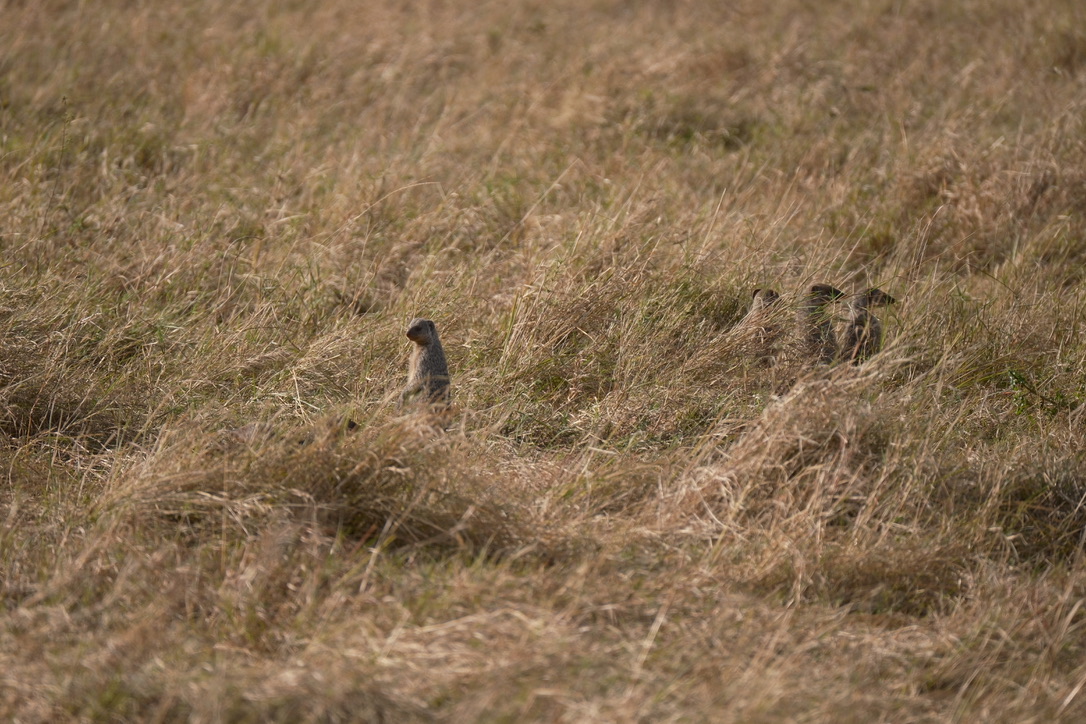
On the next day, which was September 9th, we did our final game drive and made our way to the Masai village to interact with the Masai Tribe.
Now Masai village is a must if you visiting Masai Mara. Especially when you’re visiting from a developed nation or a prosperous background. You get to see a whole different side of the world. It’s both a humbling and a tilting experience.
In this video, the tribe leader Joshua explains how they make fire without matchsticks or lighters. They tried to make some fire for me after this, however, the windy day laid waste to their efforts.
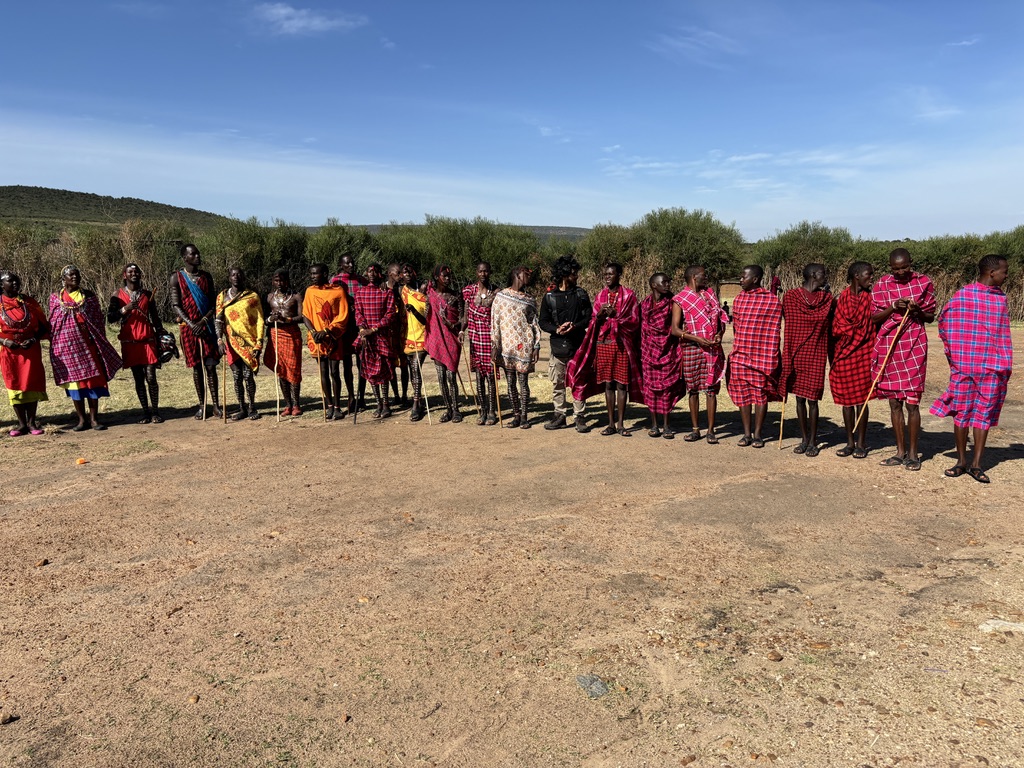
They also perform a traditional dance for you, which you’ve got to join in. Whether you know how to dance or are like me. Just twist.
Here’s how the people live here:
Everything in this house, except for the roof lining, is natural and procured by the villagers themselves.
They use a plastic layer in the roofing setup to help with rain, but almost everything else is made from mud and cow dung. They have a lot of cows, and they look similar to the ones we have in India. But thinner and taller.
I also sat down with a bunch of kids over there. Here’s a clip of them when they spot my GoPro:
They don’t attend regulated schools. The Masai people have their own schools where they teach their way of life. These schools are not supported by the government, and the children here receive no aid at all. This was quite shocking to me. The Kenyan government isn’t even trying to get these kids into formal education or provide them with proper resources.
They mostly rely on grazing, selling handmade souvenirs, and tourism to make money. They’re poor—very poor. I did whatever I could to help, even buying things I didn’t need for about 100 USD and giving the kids around 5000 Shillings.
I had hoped to offer more support through a local foundation, but after talking to my partners and discussing the idea, I realized just how corrupt Kenya is.
Take this instance. My guide and driver were stopped by traffic police using spikes in the middle of a highway while we were going 65-70. The officers claimed we were speeding, and what happens here is ridiculous. The rule of thumb is to shell out half of whatever the real fine is. The speeding ticket is 1500 Shillings? You pay the officer 750 and move on.
Doesn’t matter if you’re not at fault—if you’ve got tourists in the car, you just don’t want trouble.
It’s going to be complex but I am determined to make a difference. We’ll see how we can make this work.
On our way back, we stopped at a local store where I bought a beautiful ebony monkey for my home in India. They shipped it to India via FedEx, and I didn’t have to pay any duty. It cost a few hundred dollars, but it’s one of a kind, so I’d say it was justified. The shipping was killer at $290 including insurance.
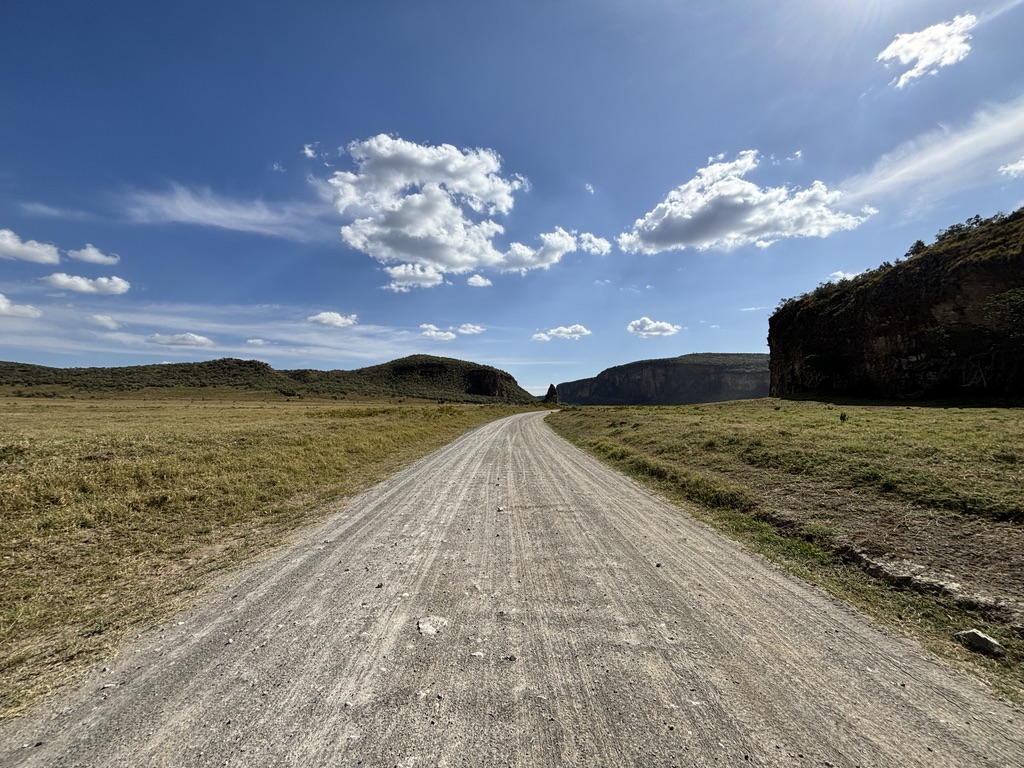
From there we made our way to the Hell’s Gate.
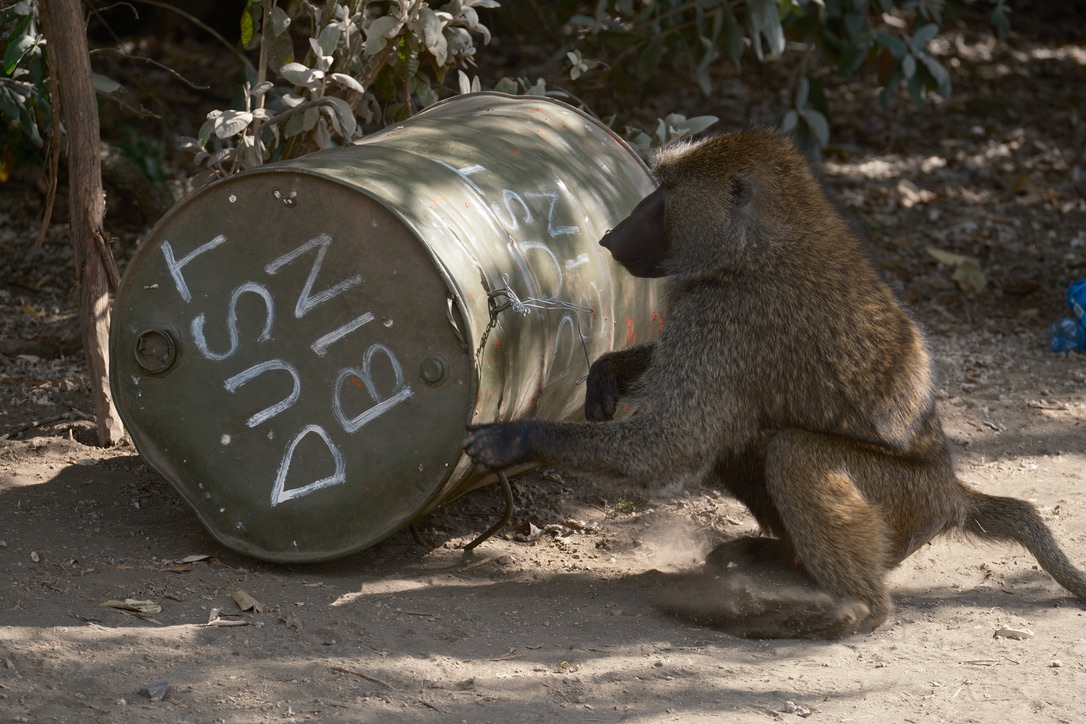
On our way in we saw a Baboon trying to break open a large trash can. This is the biggest baboon I’ve seen through out my trip.He was HUGE!
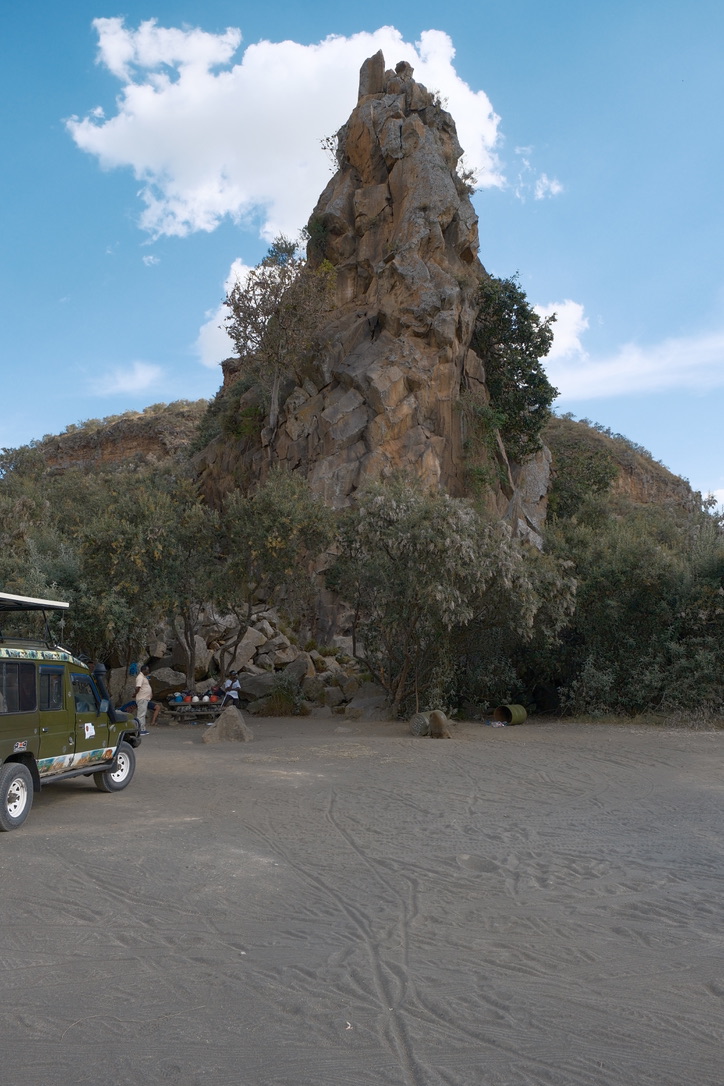
Then we stopped here where rock climbers try to live their dreams. You’ll find all the required rock climbing equipment here available for rent.
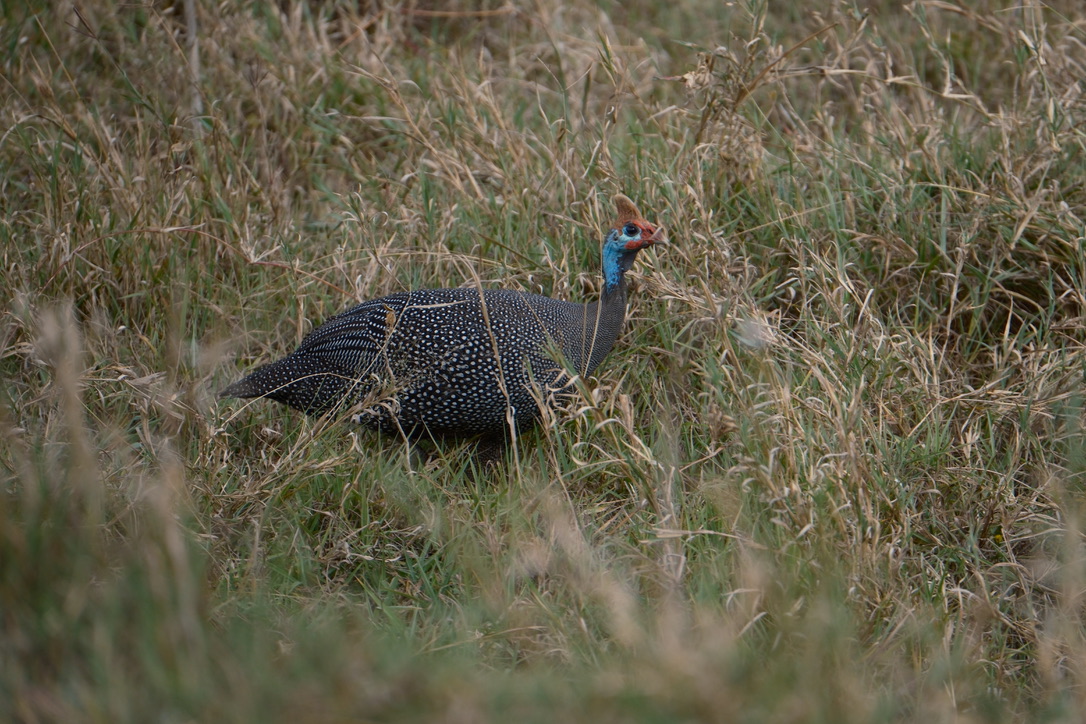
Then we kept moving, spotting more animals on our journey.
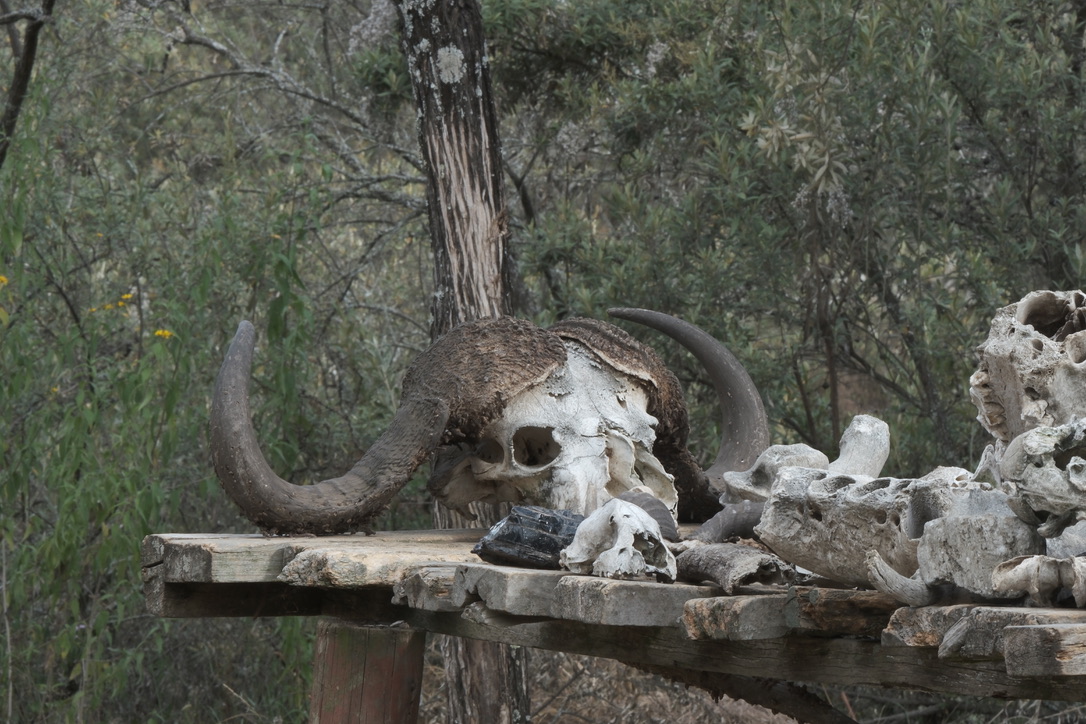
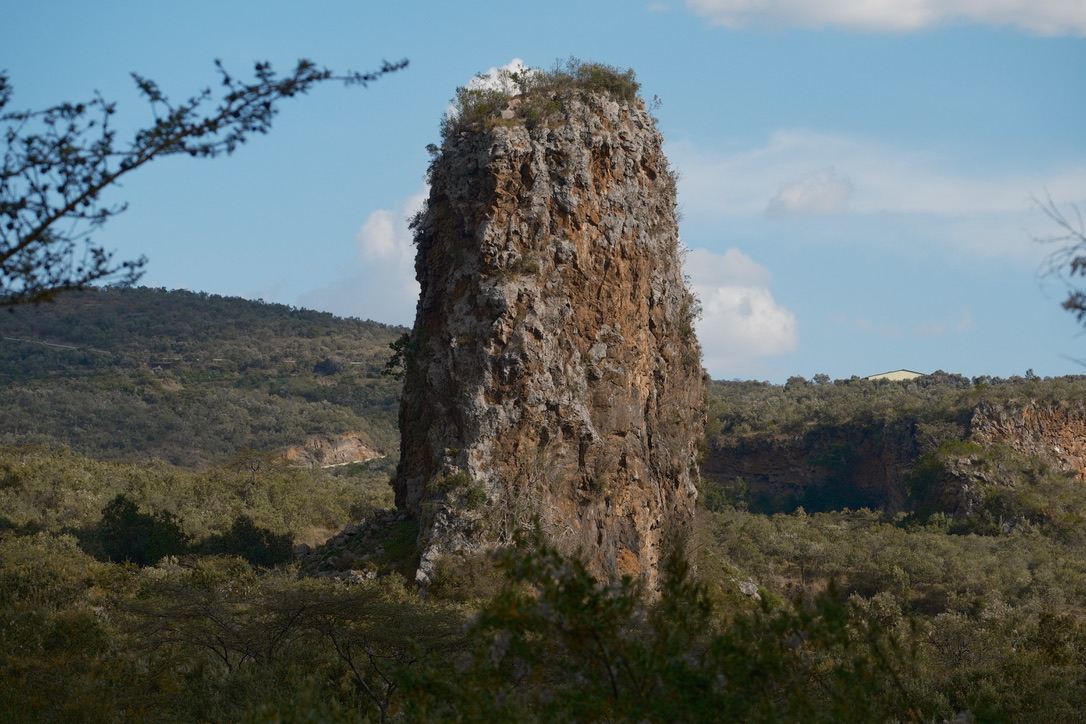
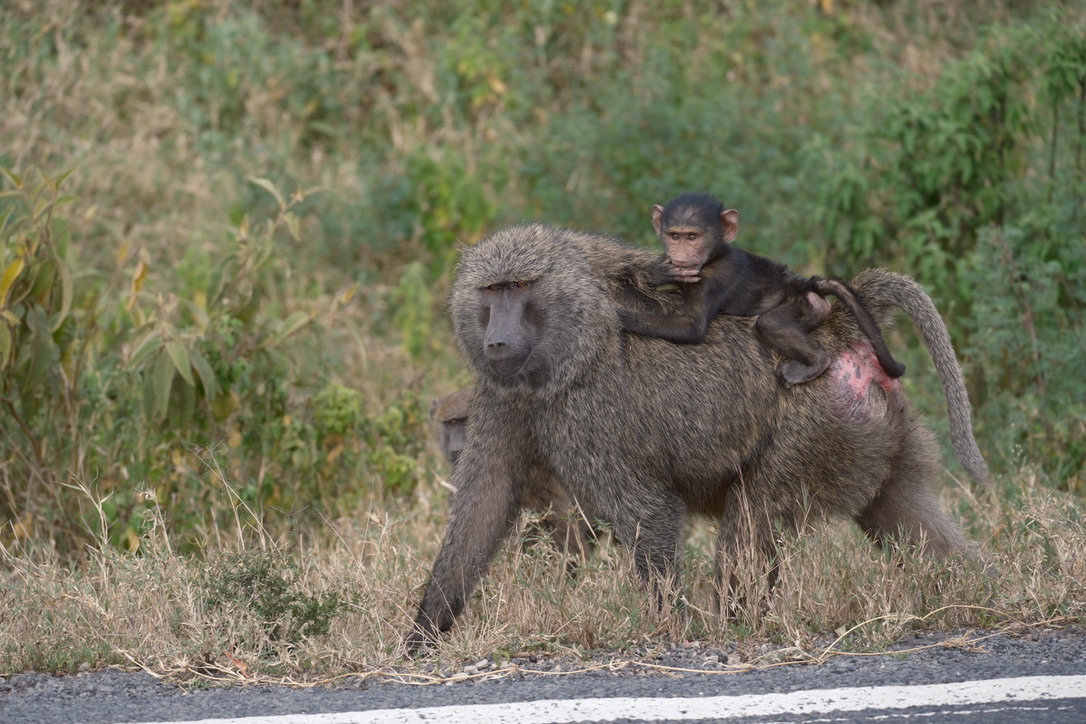
Oh yes, we were heading toward Lake Naivasha. Lake Naivasha is a freshwater lake. There are tons of activities to do here including a boat safari to spot eagles.
We reached Lake Naivasha and this was my lodge, booked by the Simba Paka team:
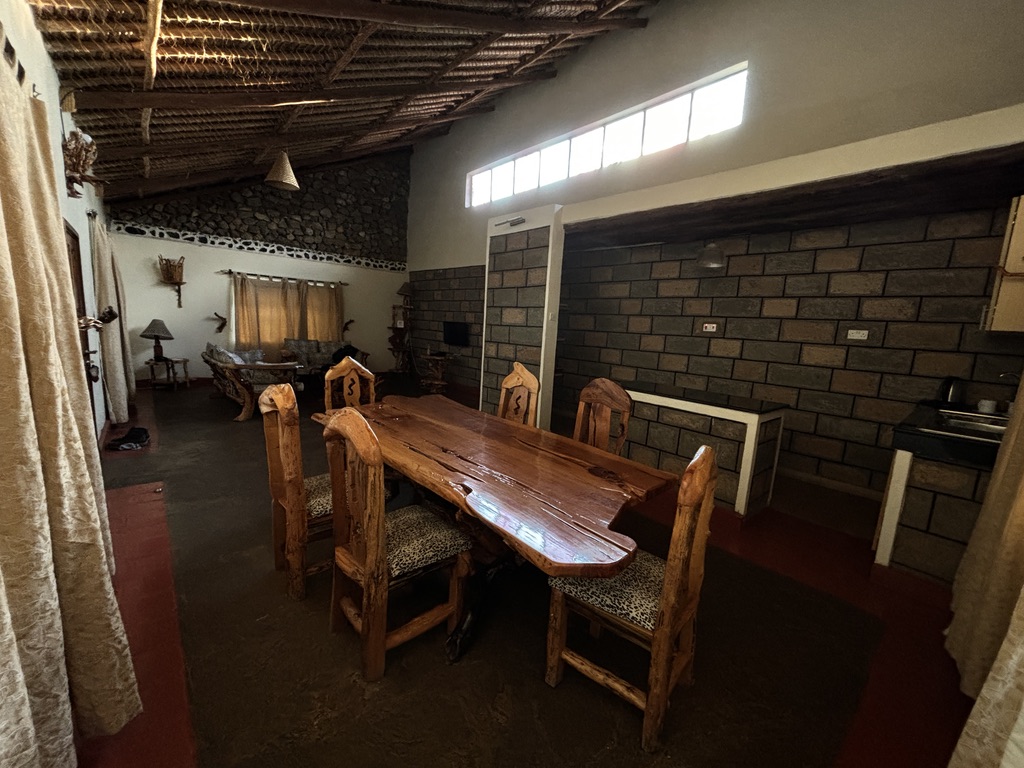
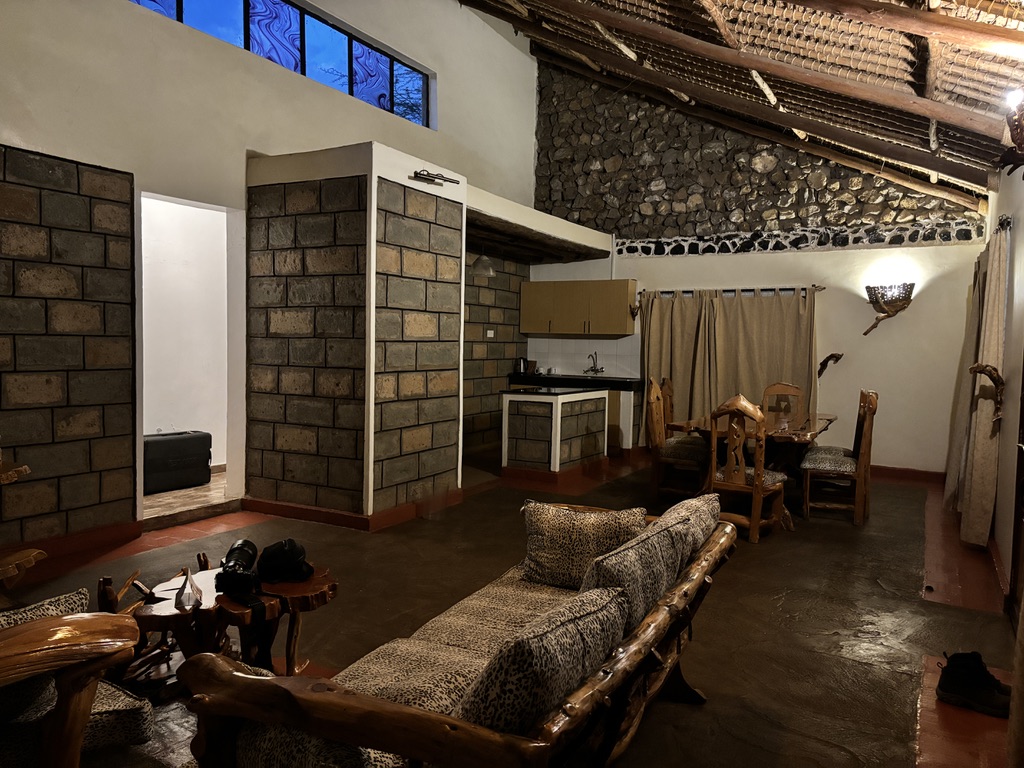
Usually, if you’re a couple or solo, you would need to share it with another group. The Lodge has two bedrooms and bathrooms. Hudge windows too.
Lucky for me, the group didn’t arrive until I finished my lunch the next day and was on my way out.
I finished my evening here with a beautiful dinner. The service was top-notch.
Then on the next day we went on to the boat safari to observe the birds across the lake Naivasha.
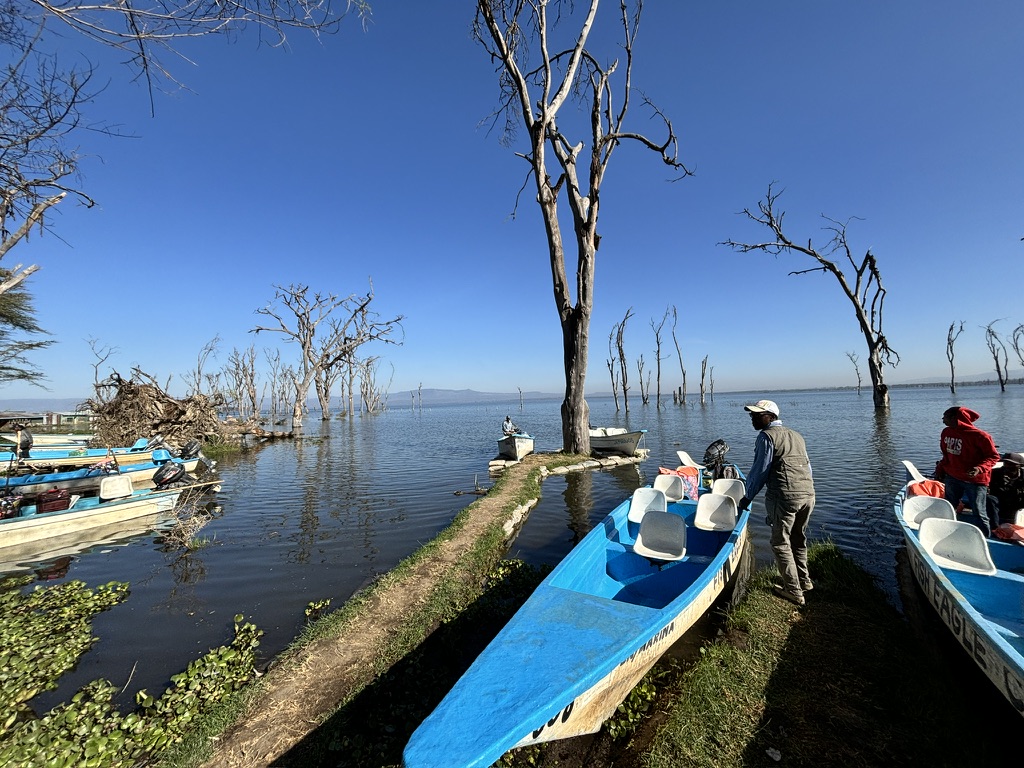
Here are a few birds that I could spot:
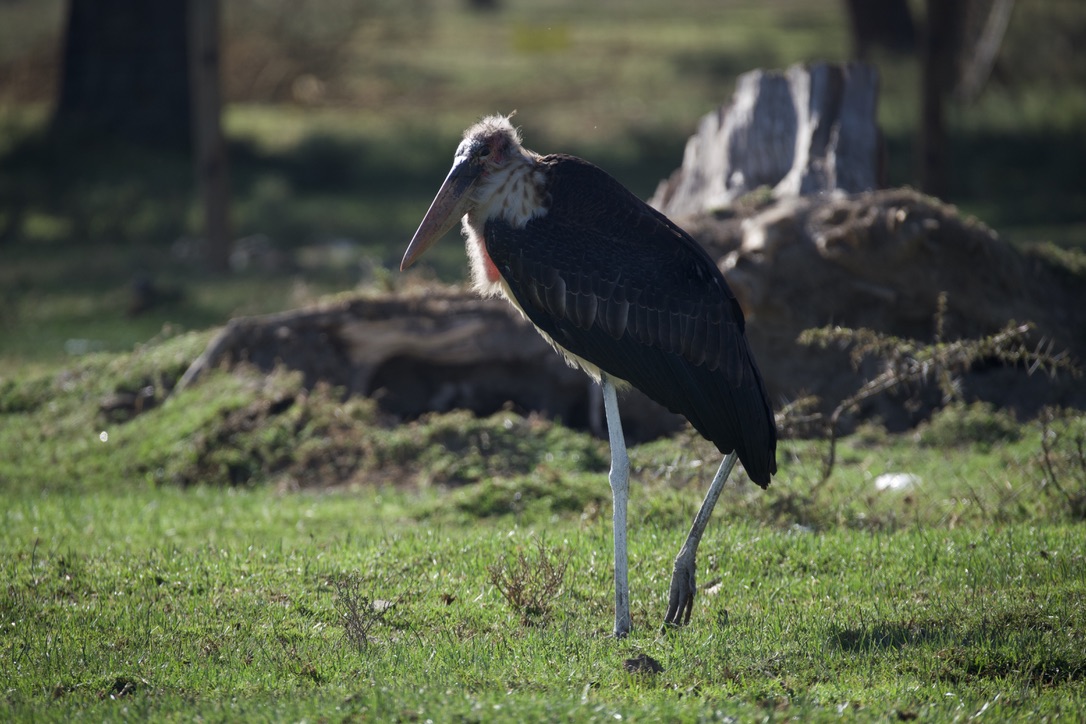
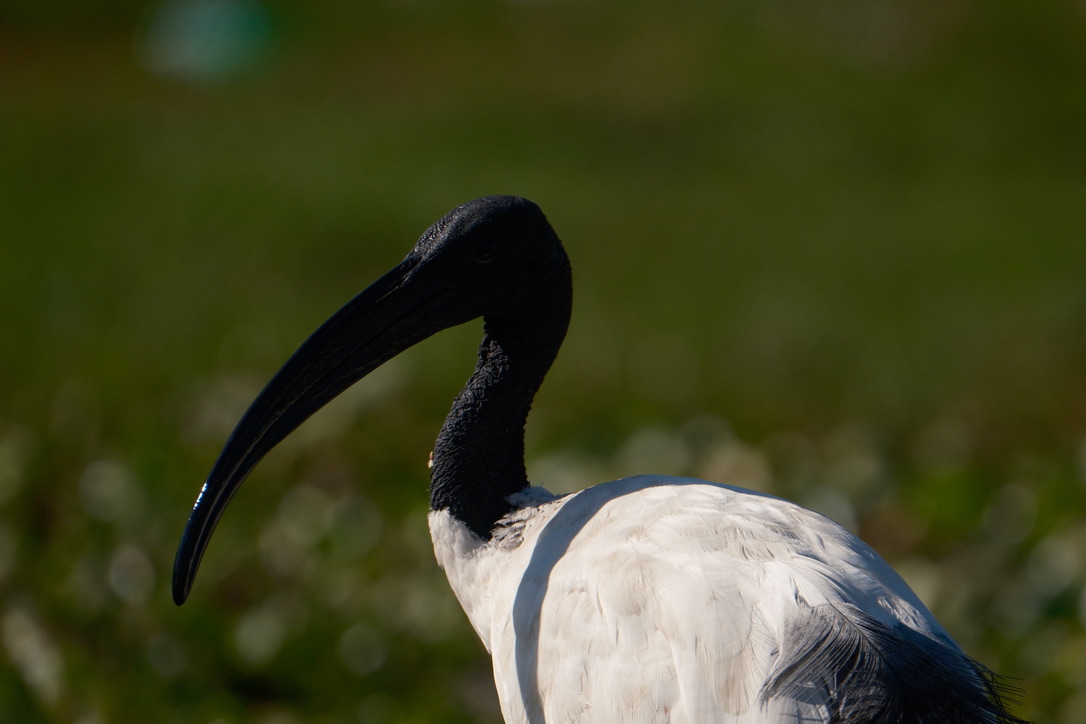
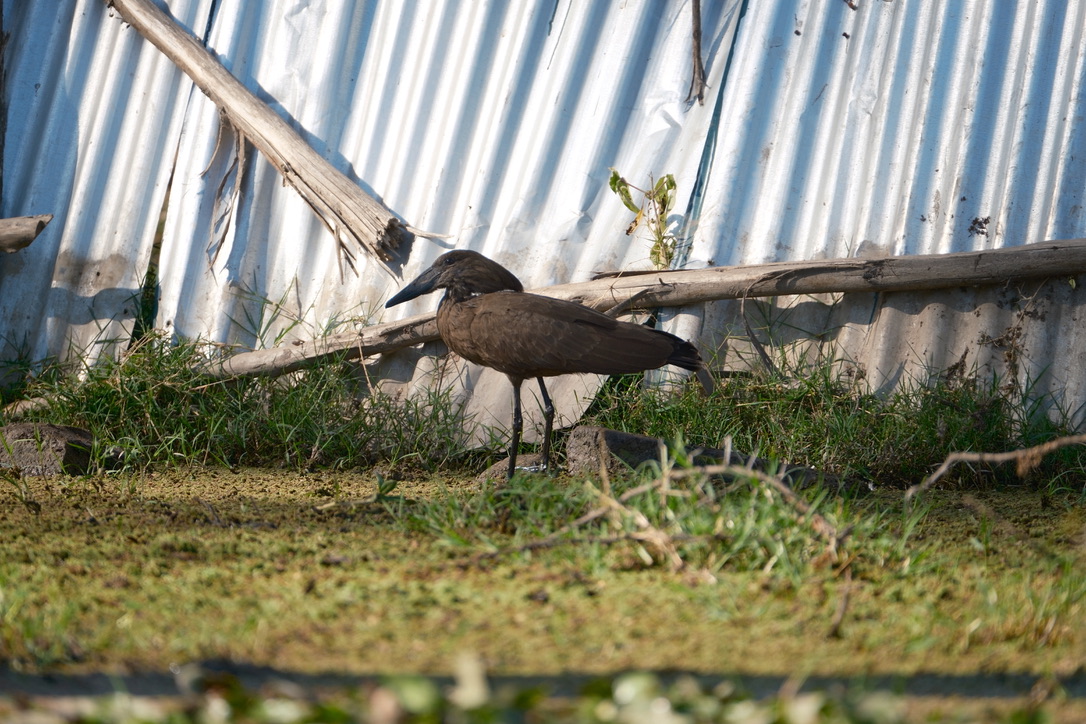
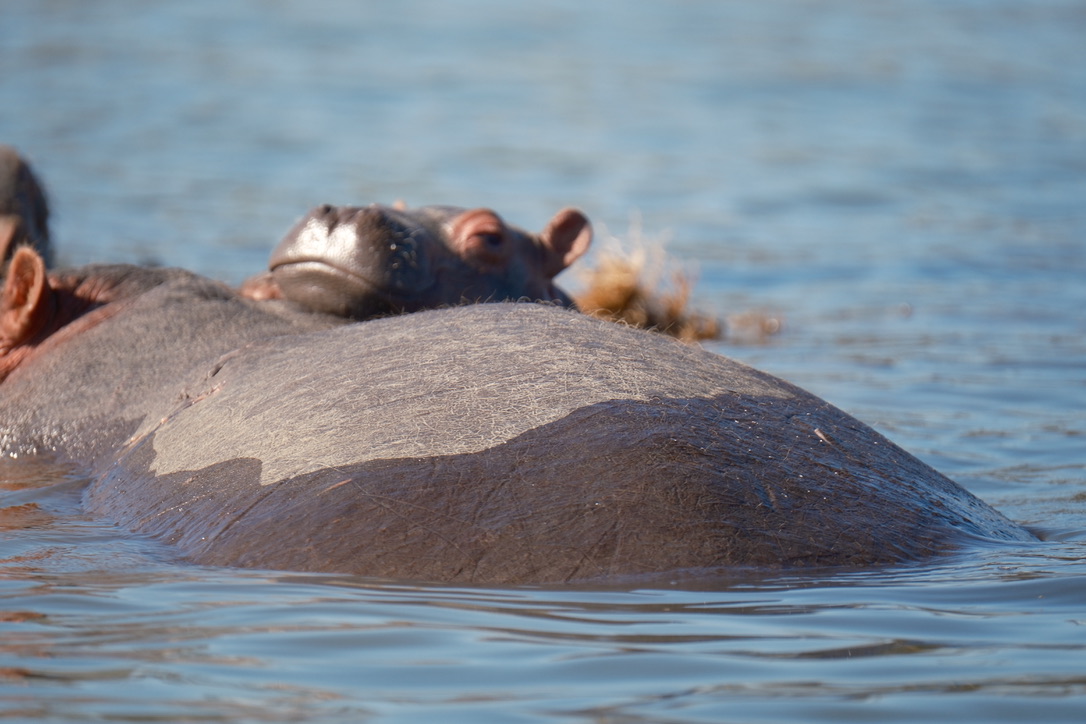
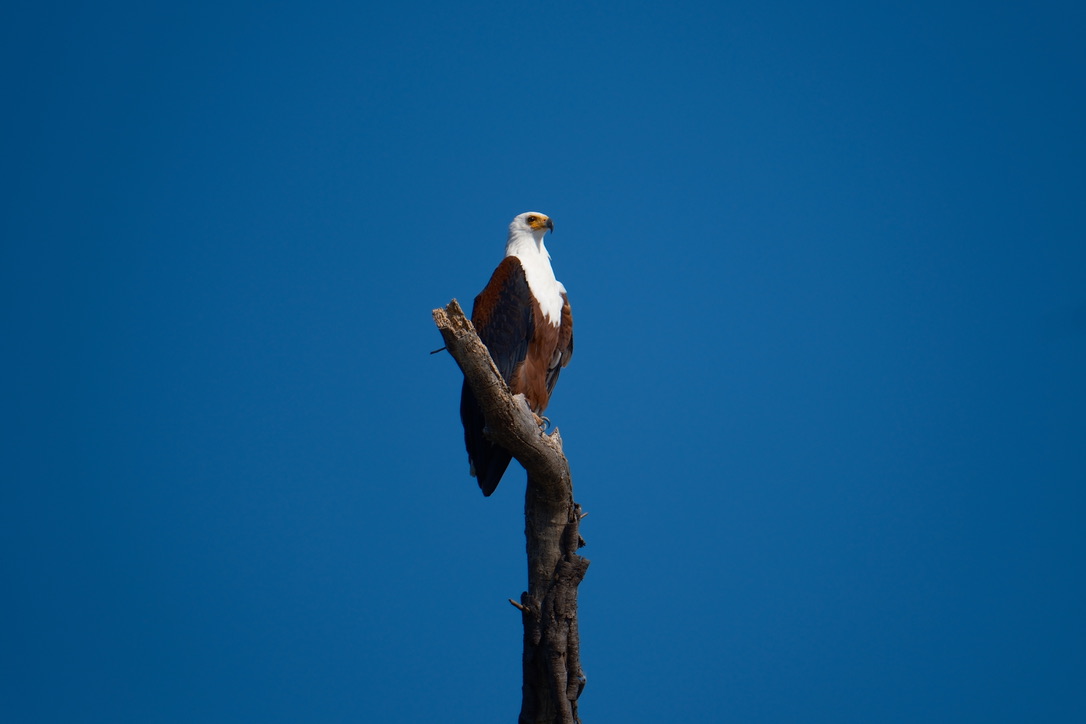
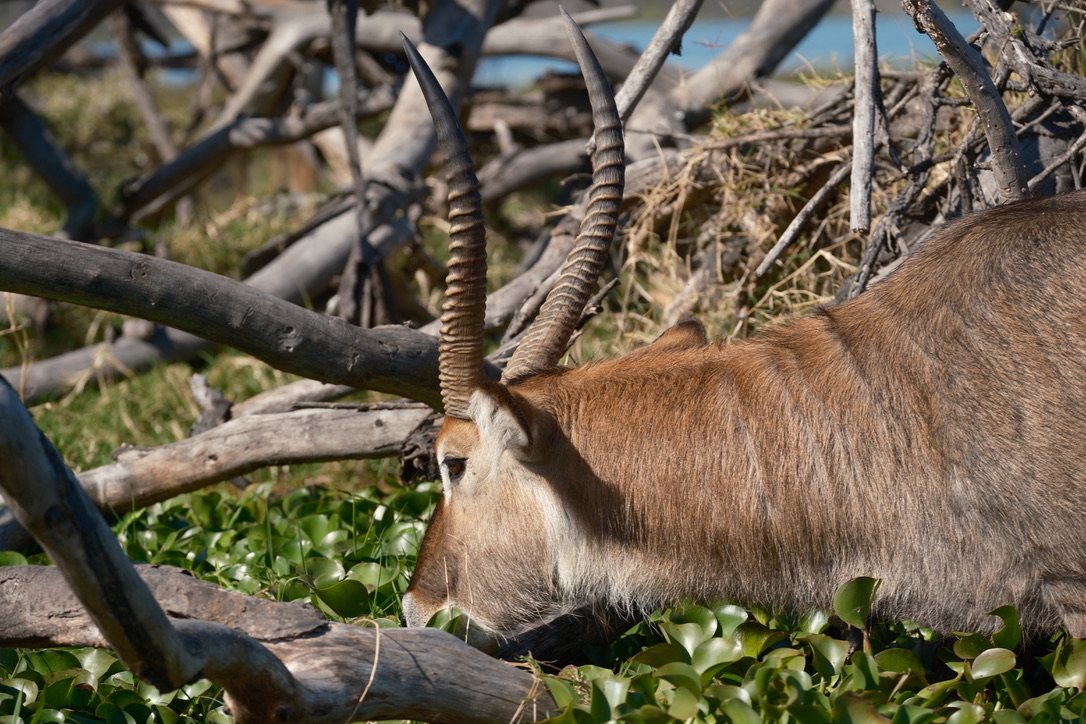
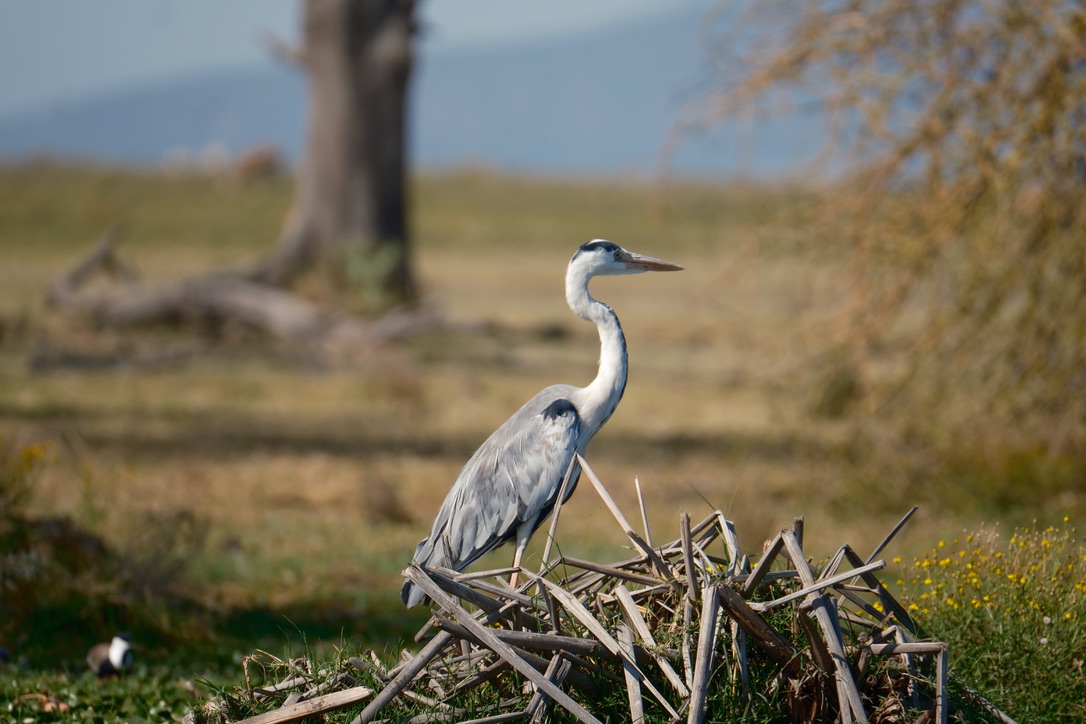
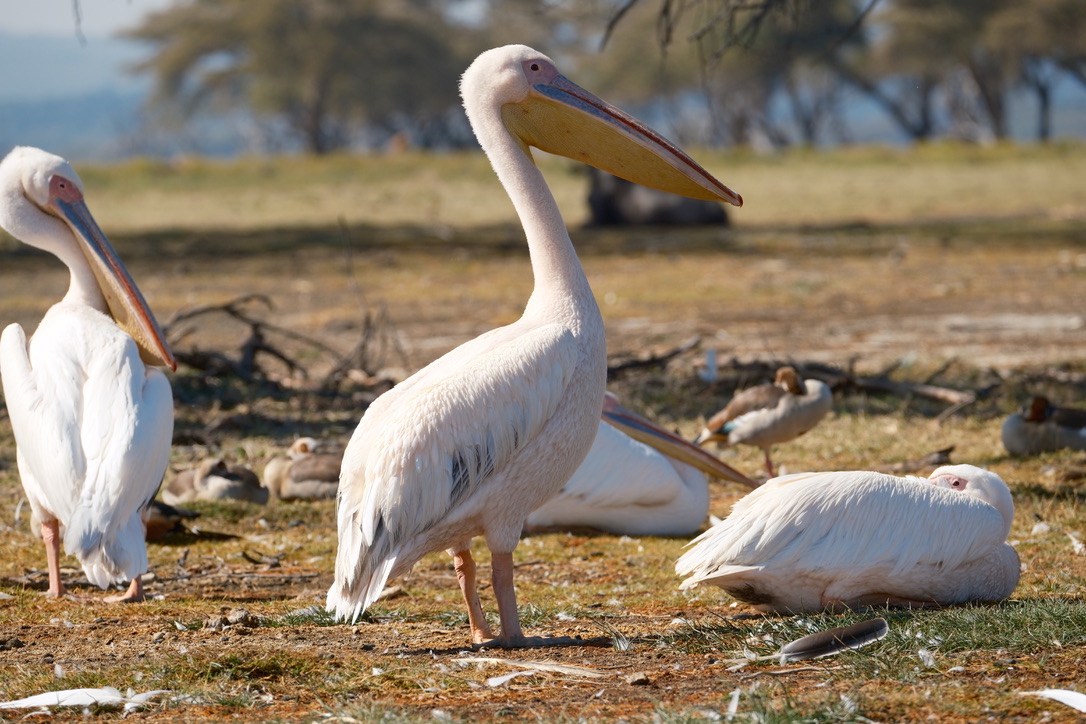
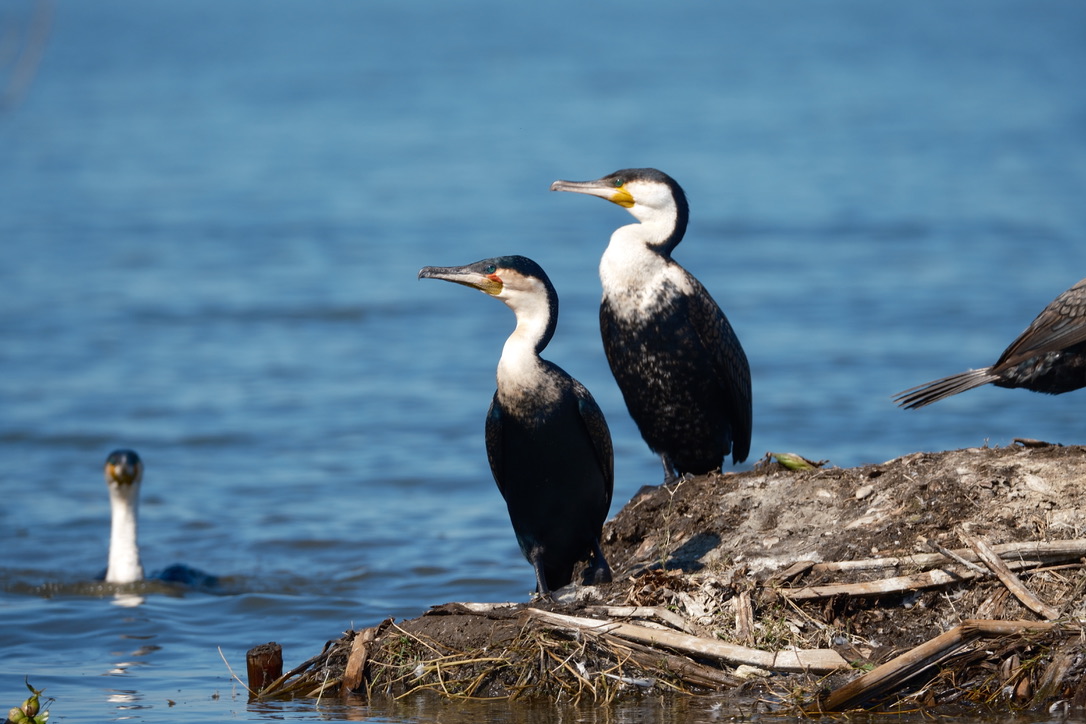
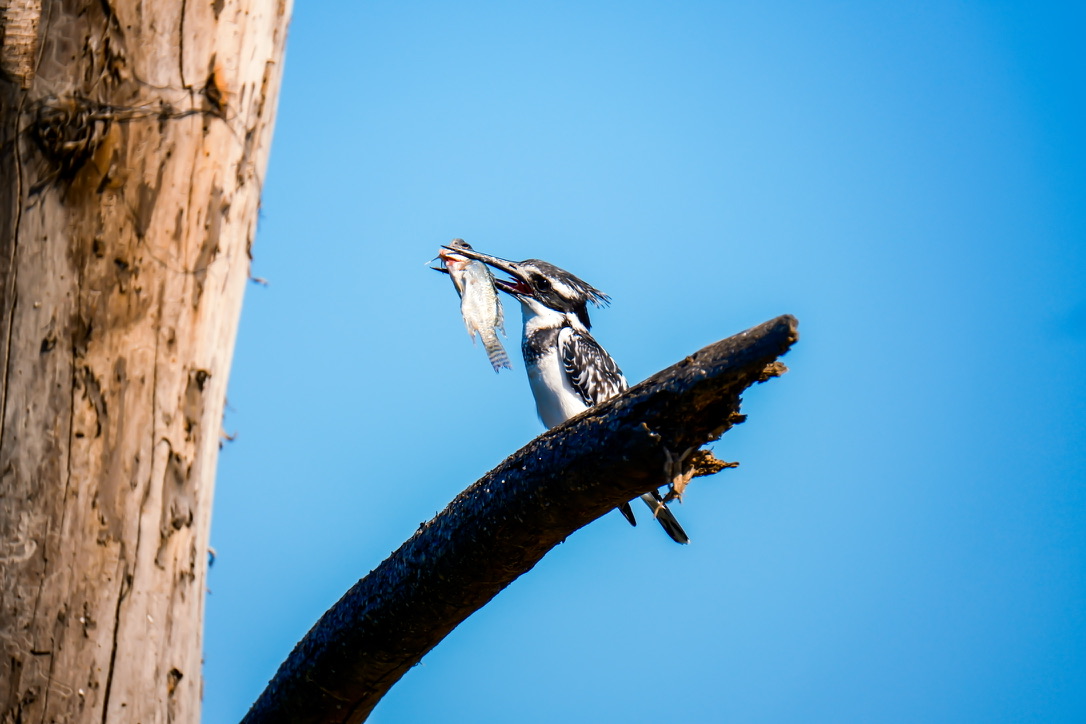
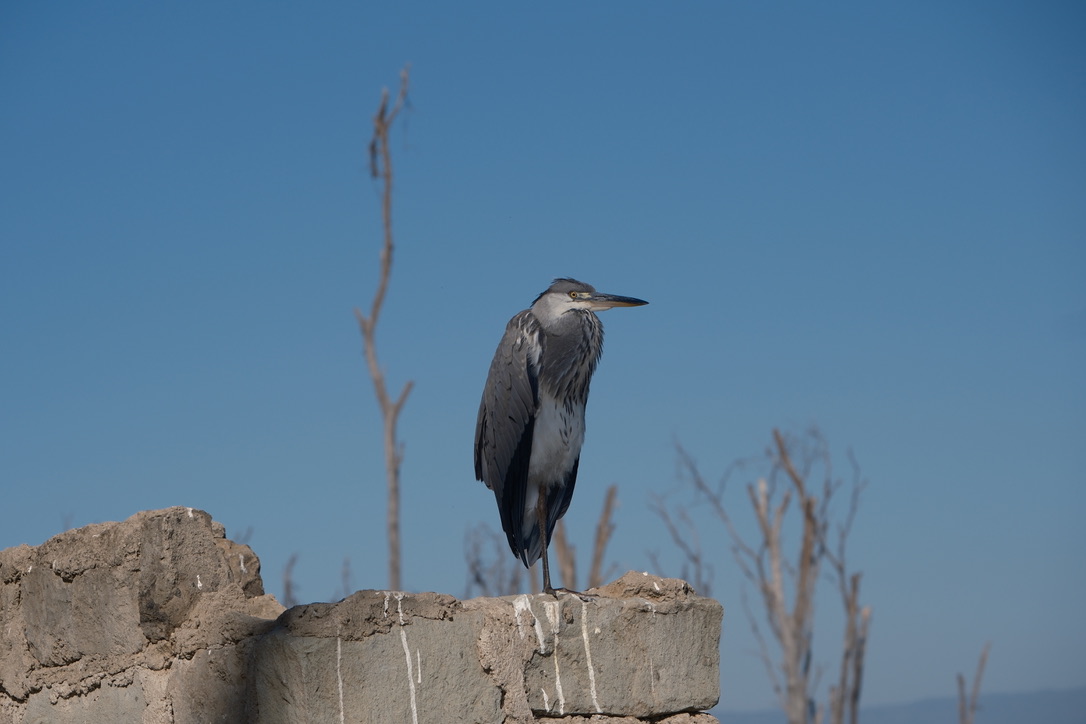
The lake ride was very pleasant. And it took us about 40 minutes to cover most of it.
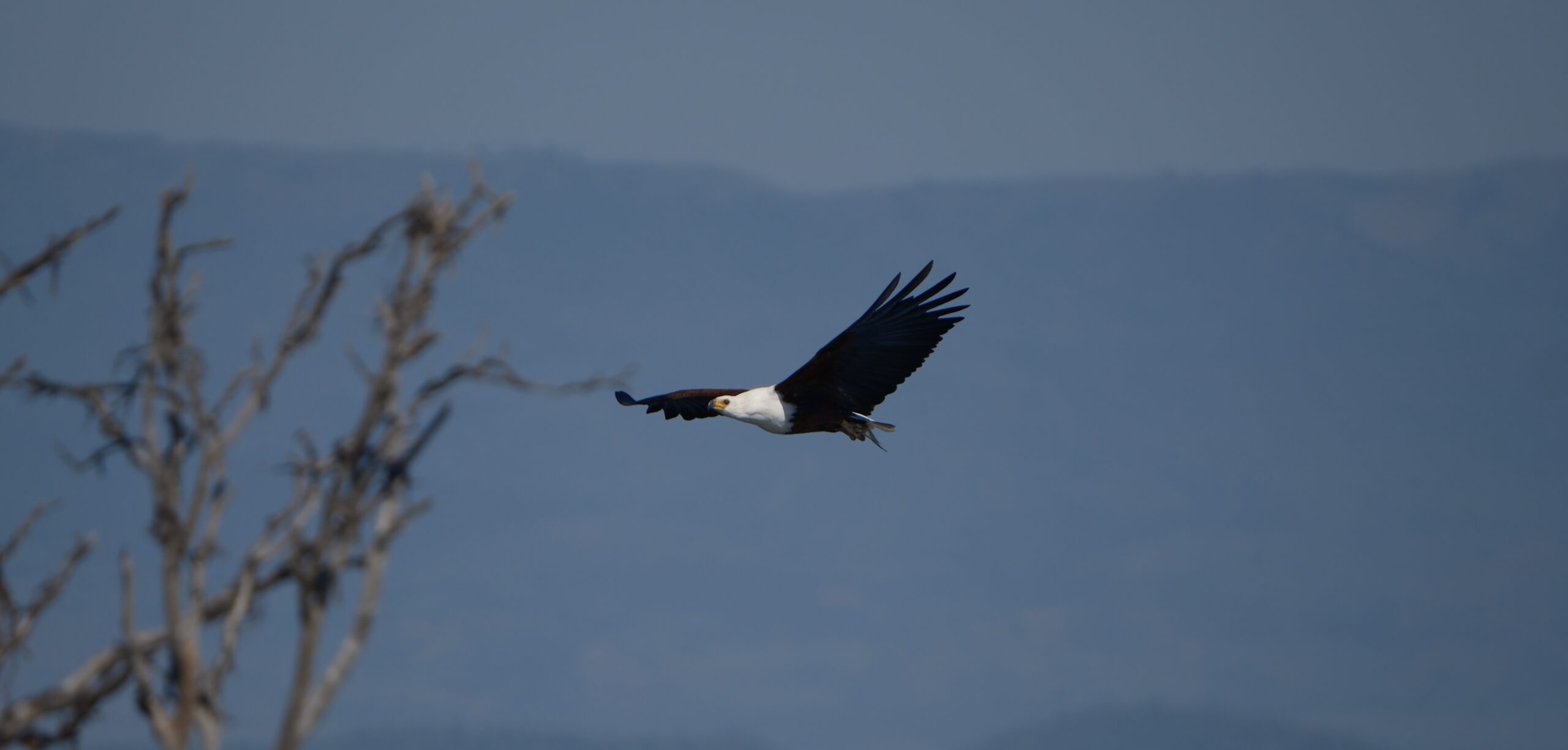
There’s also a spot not too far away from the embark point where you toss bait into the water and your guide whistles. The eagles swoop in and take it, and you get to see how they hunt. This might take a few tries, but it’s absolutely stunning to witness.
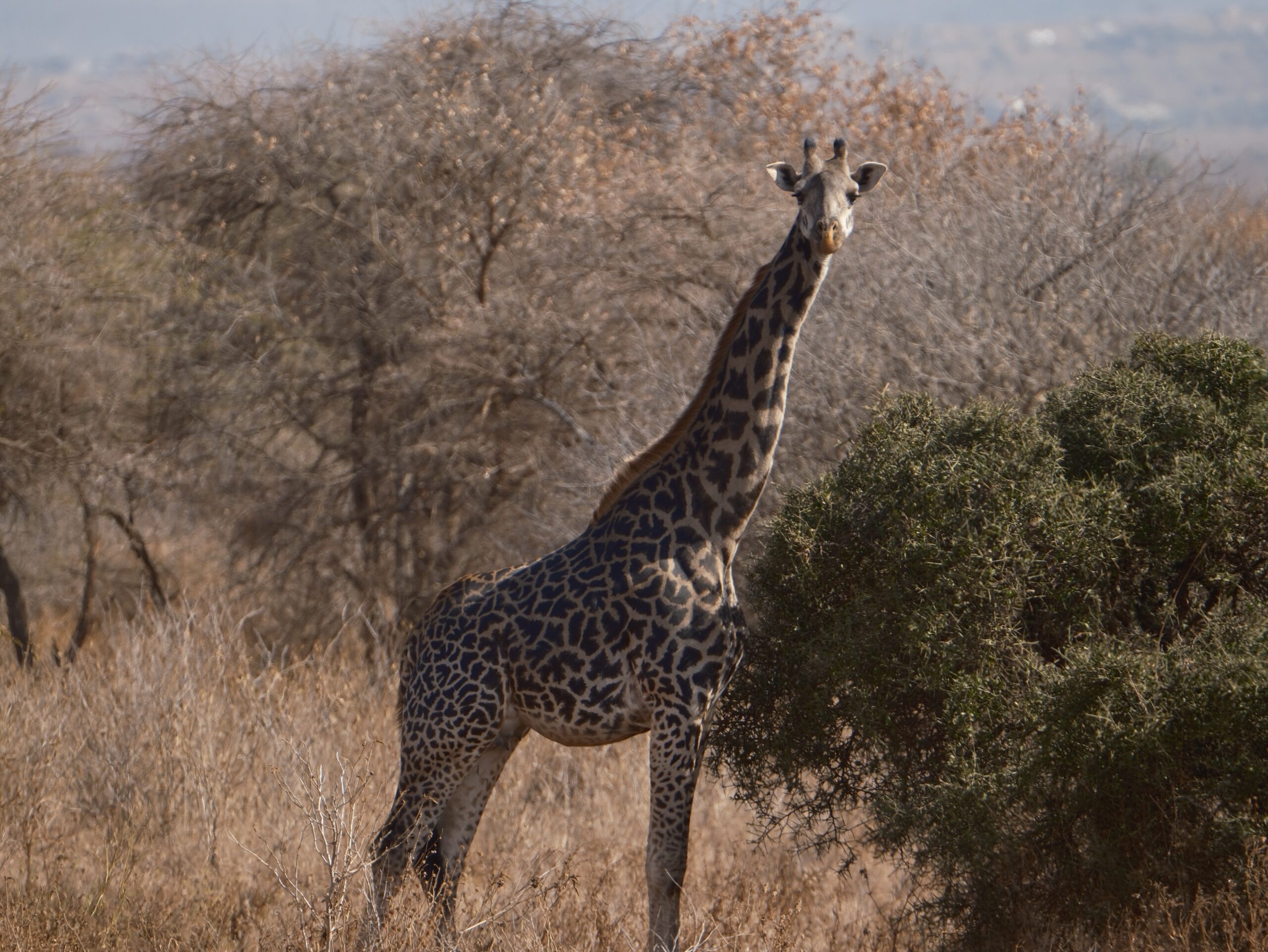
We were making our way through Kajiado when we saw two very concerned-looking giraffes constantly gazing at us. One even came pretty close. They just wouldn’t stop looking and prying. My guide told me this was very weird and not typical behavior.
After a few minutes, we realized they were looking out for their kids!
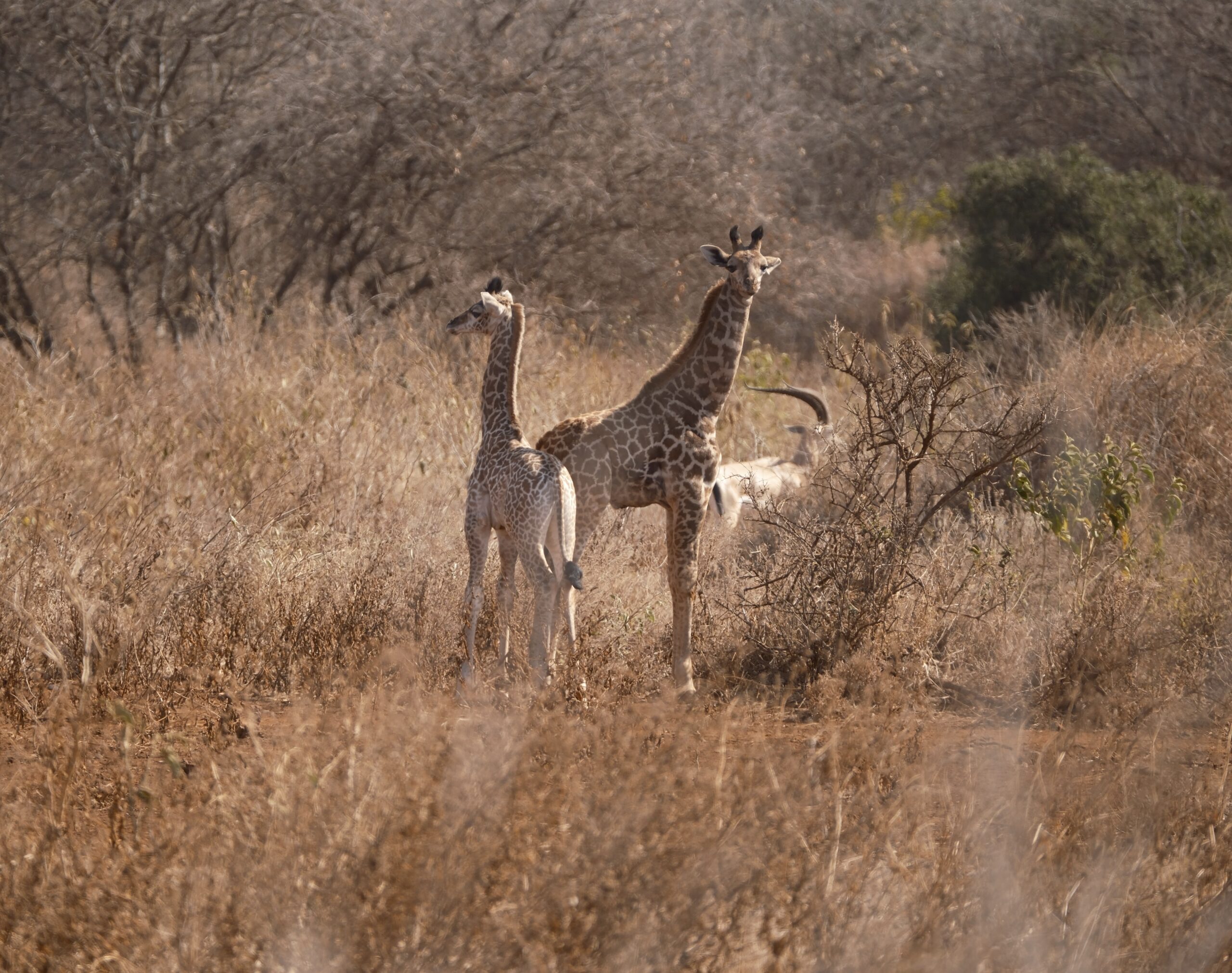
No wonder they looked so concerned.
Next, we made our way to the Amboseli National Park. This is where you will some of the largest and most terrifying-looking elephants in the whole of Africa. Plus these elephants are extremely aggressive. They almost always are in a mood of confrontation. Not with humans, but among themselves.
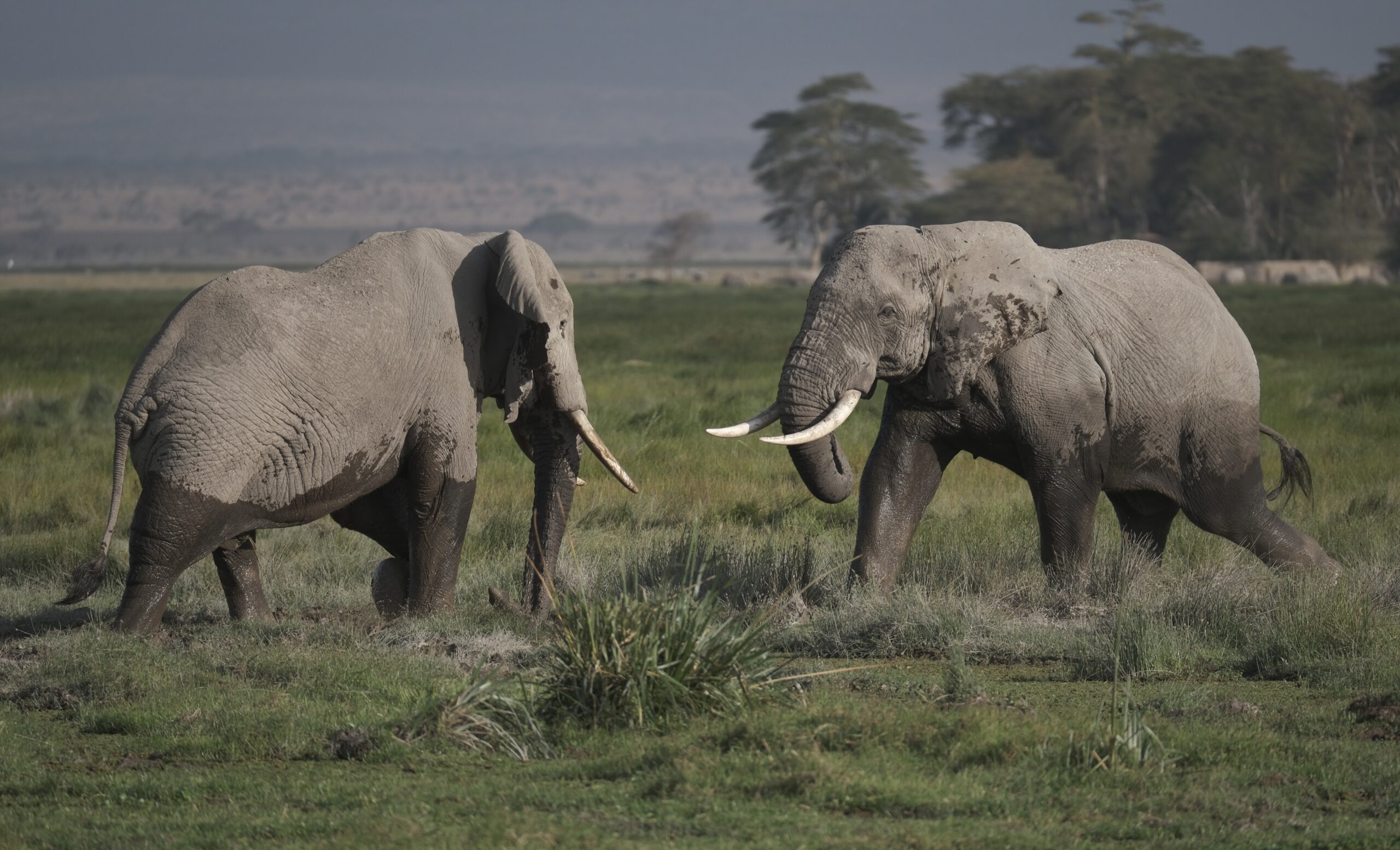
These two were fighting for at least 15 minutes and one of the left kept chasing the other almost 400 meters away. The aggressor was visibly smaller, but I don’t think he let it dictate the result of the fight.
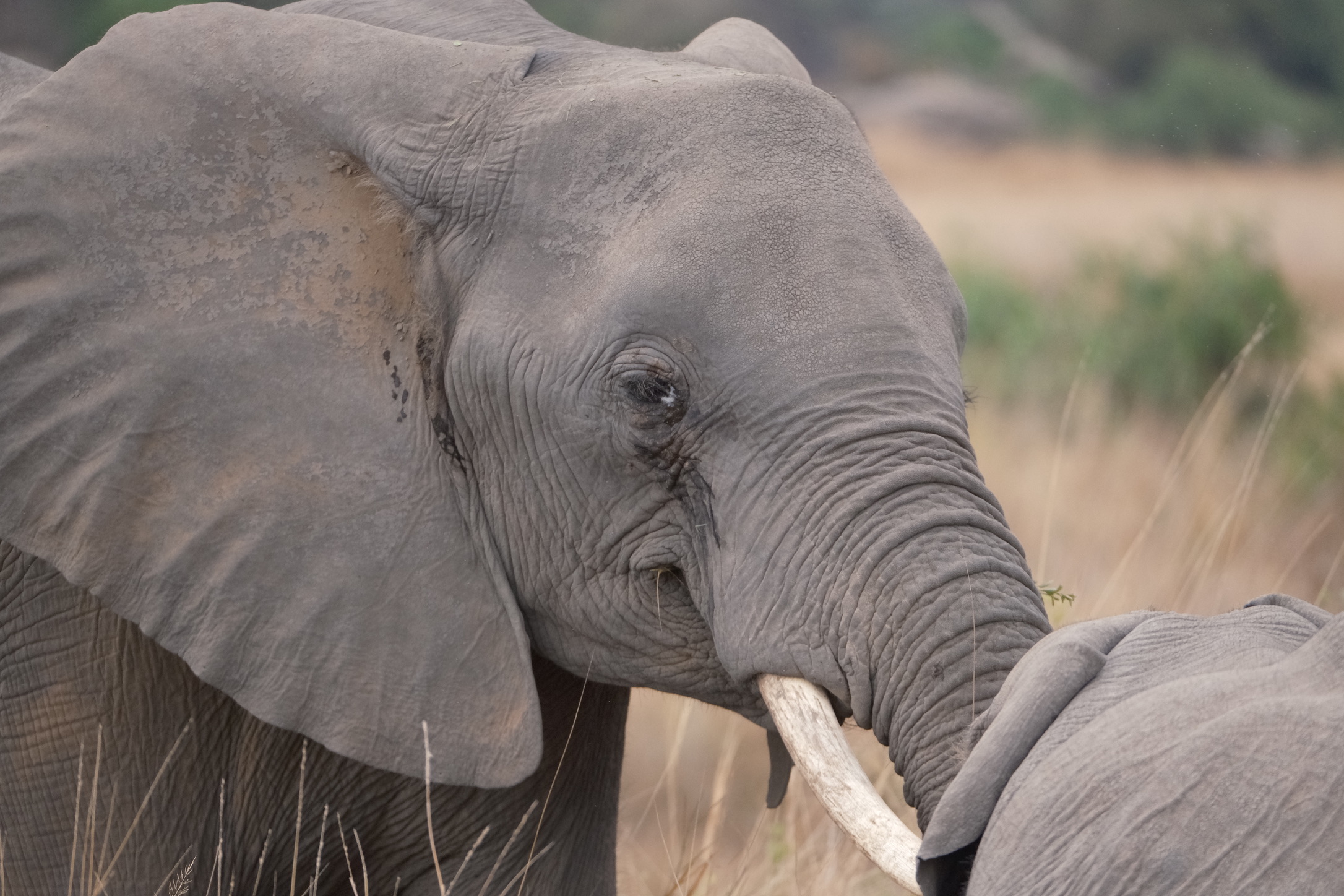
The elephants in the Amboseli National Park are also known as Big Tuskers. You might be told that these big tusks are the result of high calcium content in the water, wich comes form Mount Kilimanjaro, but that isn’t exactly the reason. It’s a combination of genetics, the abundance of food and water and the conversation efforts.
But, look at the tusks on this one:
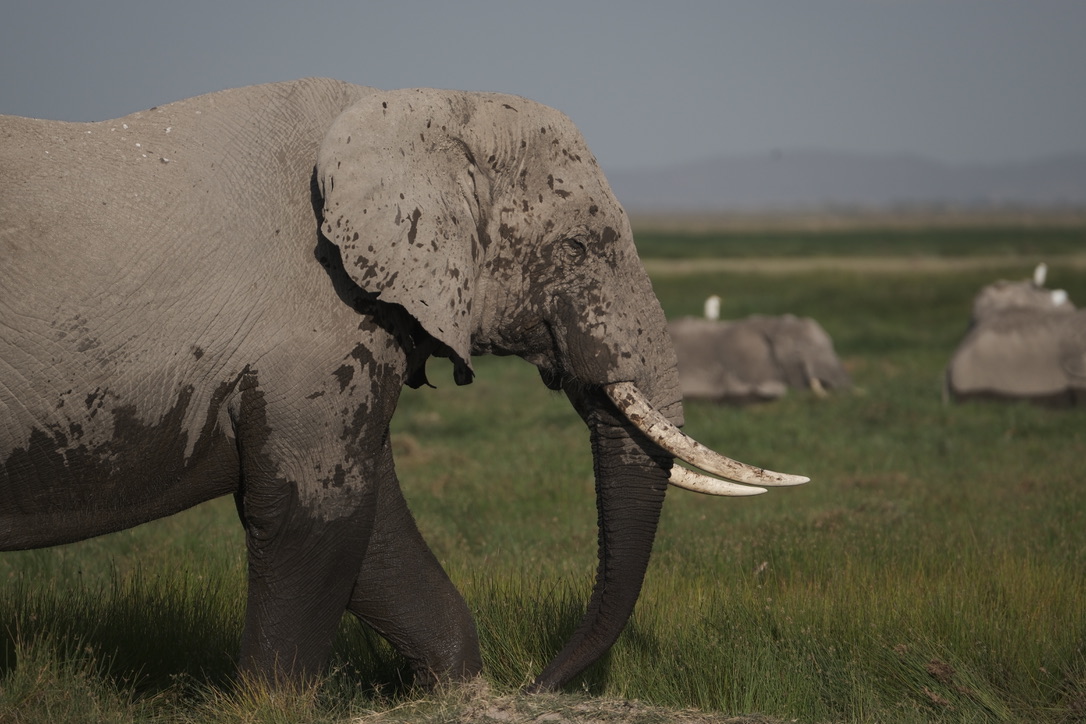
I loved capturing them. I spent more than half an hour in this area, trying to capture their majestic presence.
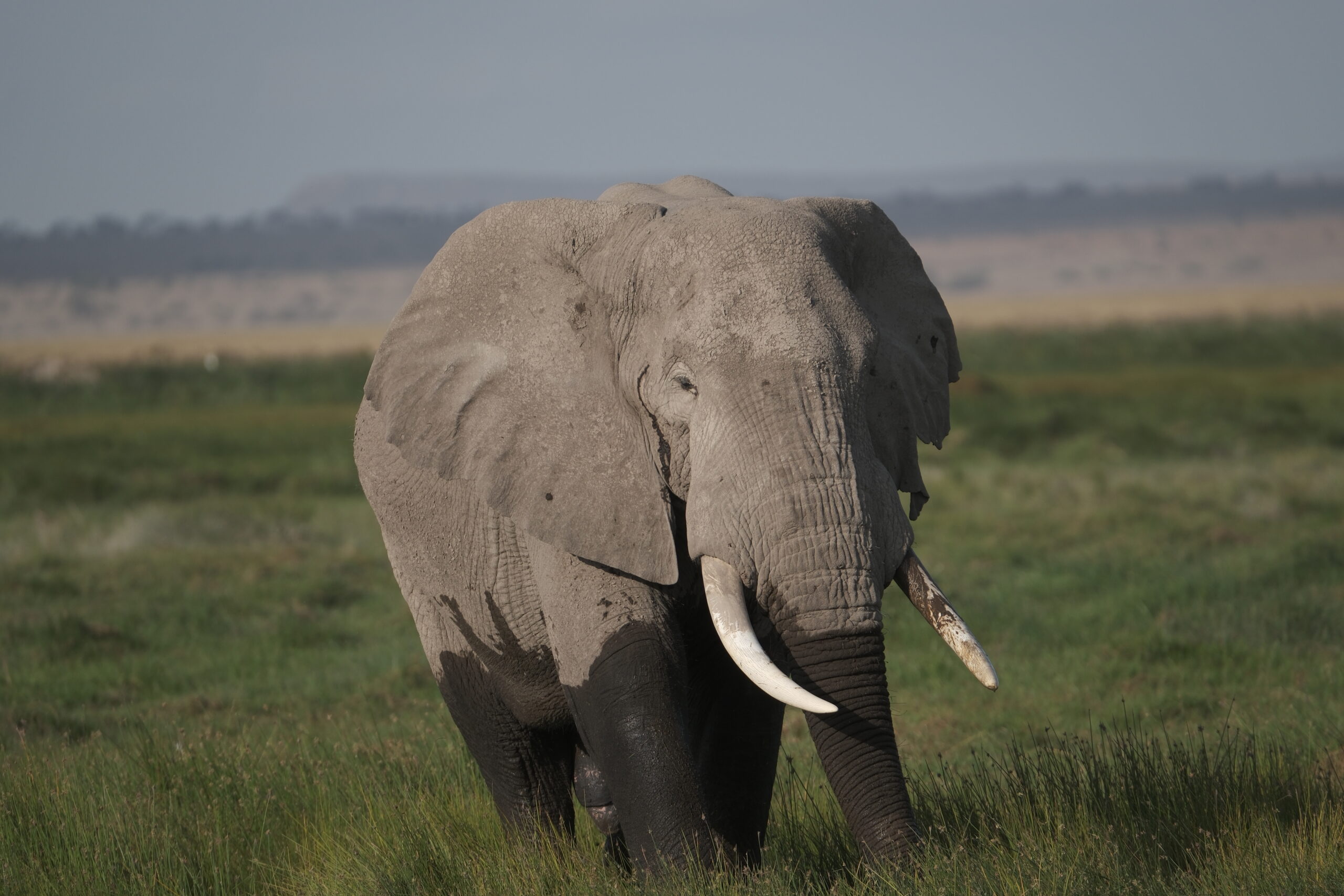
Don’t miss Amboseli when you’re in Kenya. You don’t need to plan your whole day around it, a few hours depending on how far you are should be enough to explore the whole park.
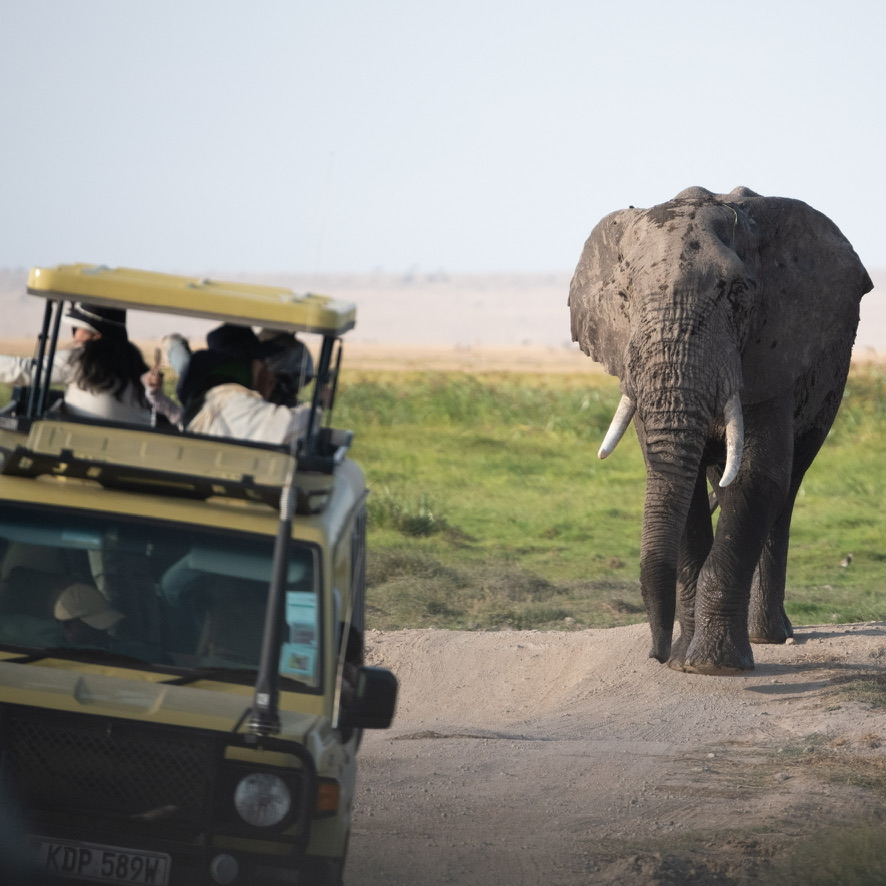
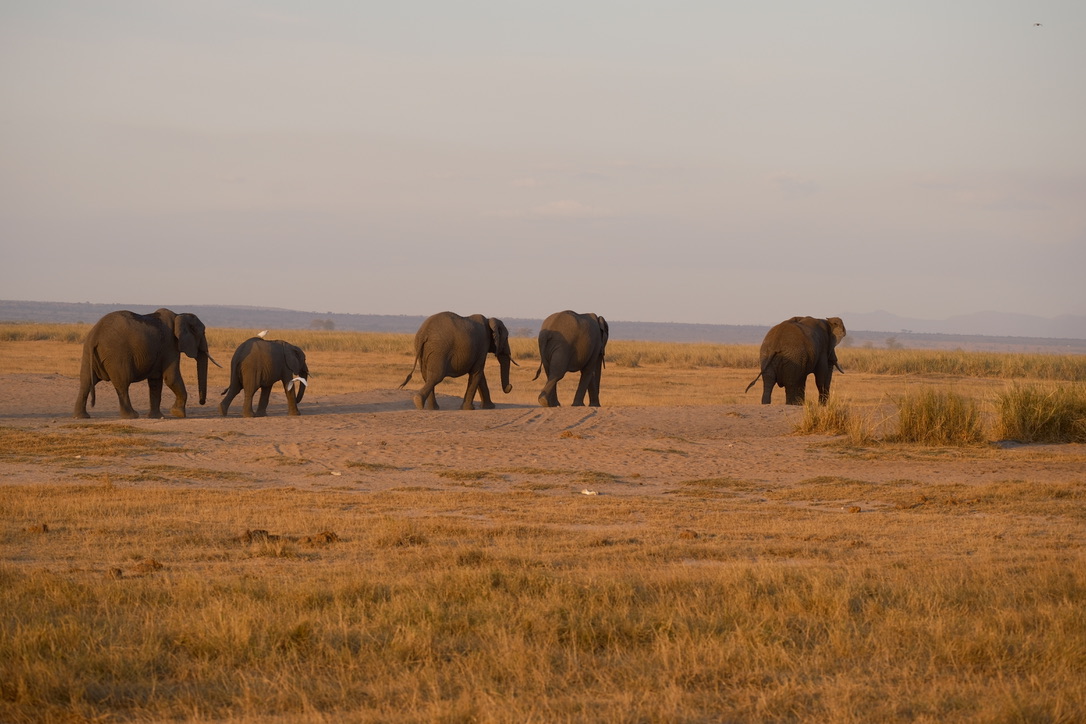
Fun fact, the Elephants don’t live and sleep in the green plains of the Amboseli Park. They get up early in the morning, come here to eat and when the sun starts setting, they go back to the lower regions of the mount Kilimanjaro, the foothills, to sleep.
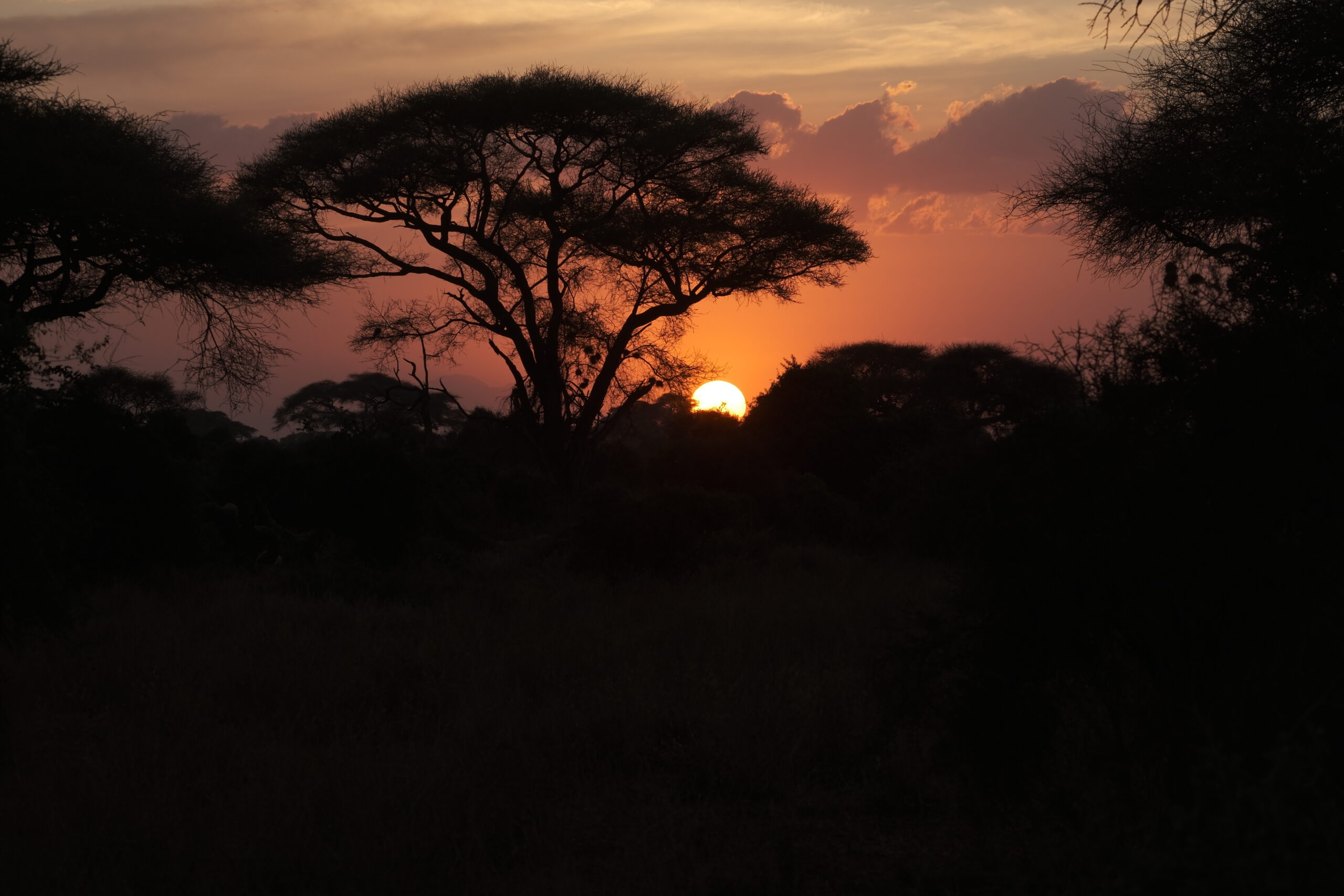
If you’re patient enough, you should be able to capture the beautiful sunset as you’re leaving Amboseli.
At about 6.40 PM we made our way to our lodge for the night in Amboseli. This was another posh and beautiful stay. The service was impeccable, and the ambiance, by far, was the best among all the lodges I stayed in.
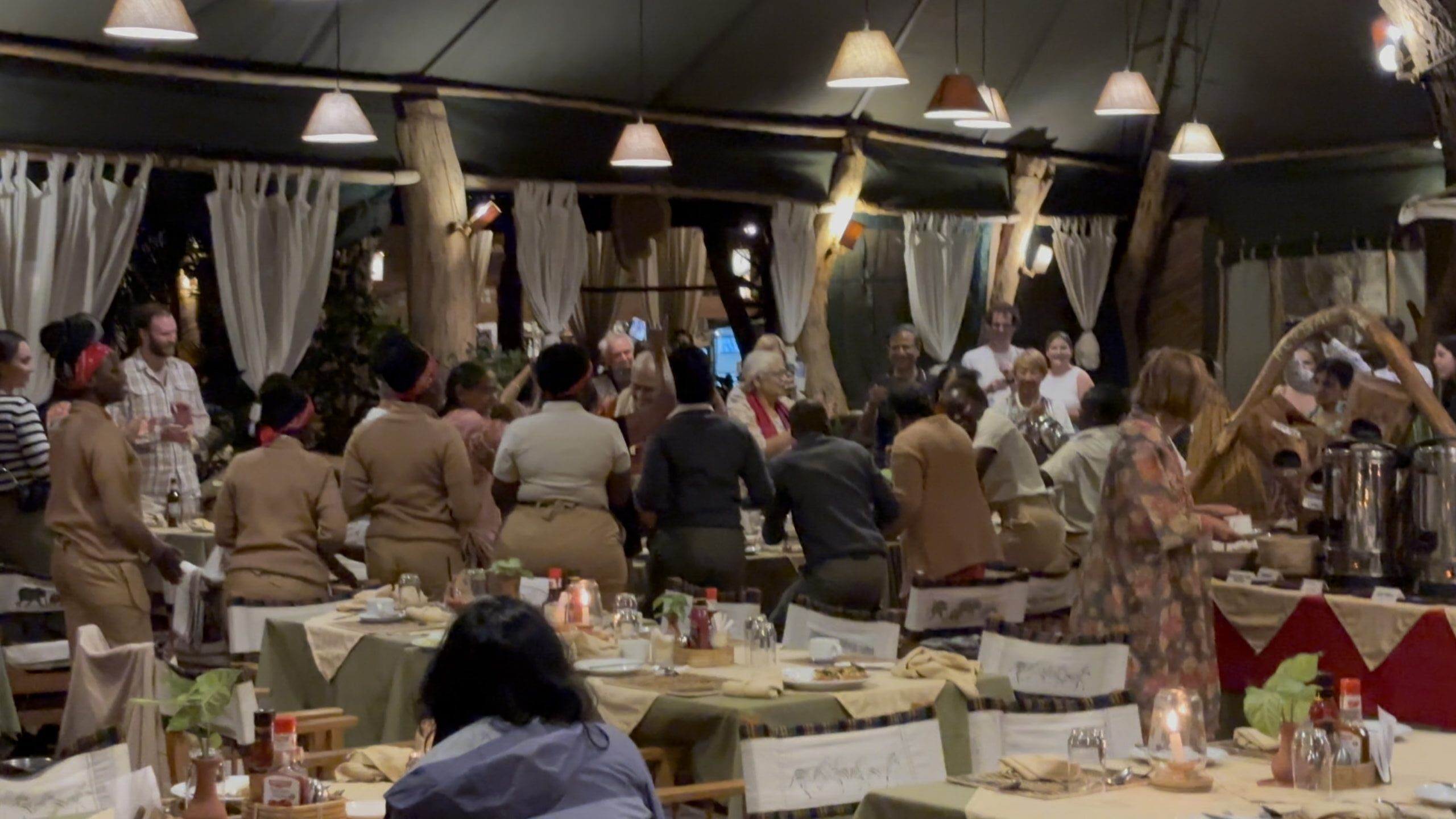
The dinner was a huge International multi-cuisine buffet. You had all sorts of refreshments and bespoke cuisine options.
We left Amobseli early in the morning as I had a flight to catch. Or so I hoped. More on this later.
ON our way back to my Hotel in Nairobi, we spotted some elephants and birds:
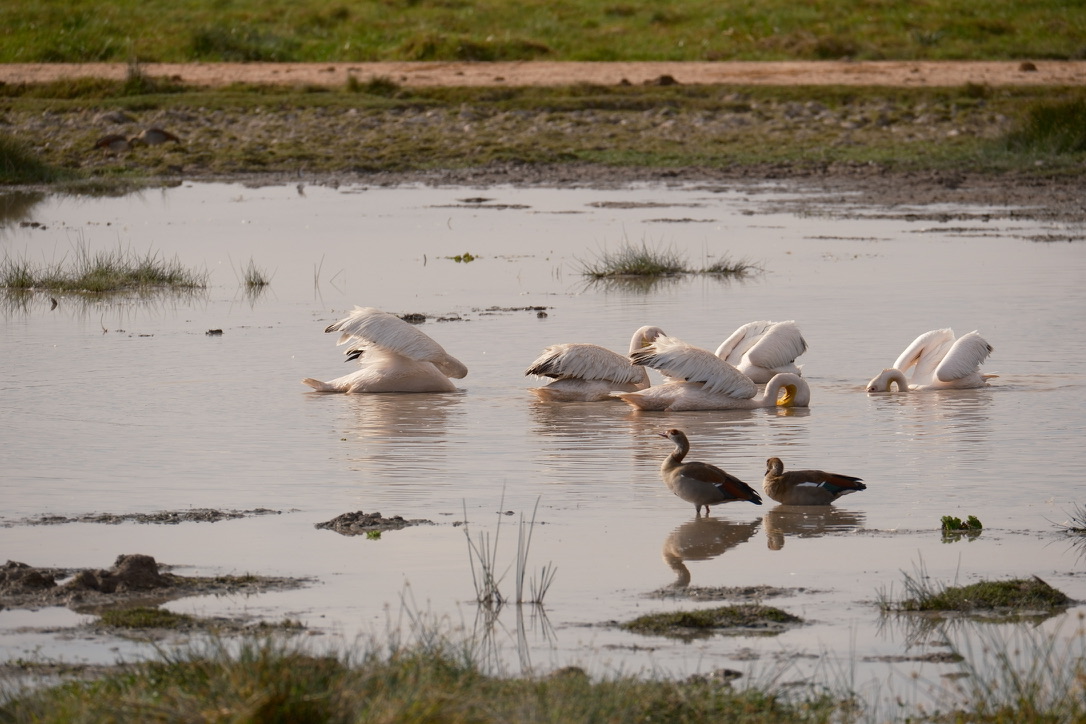
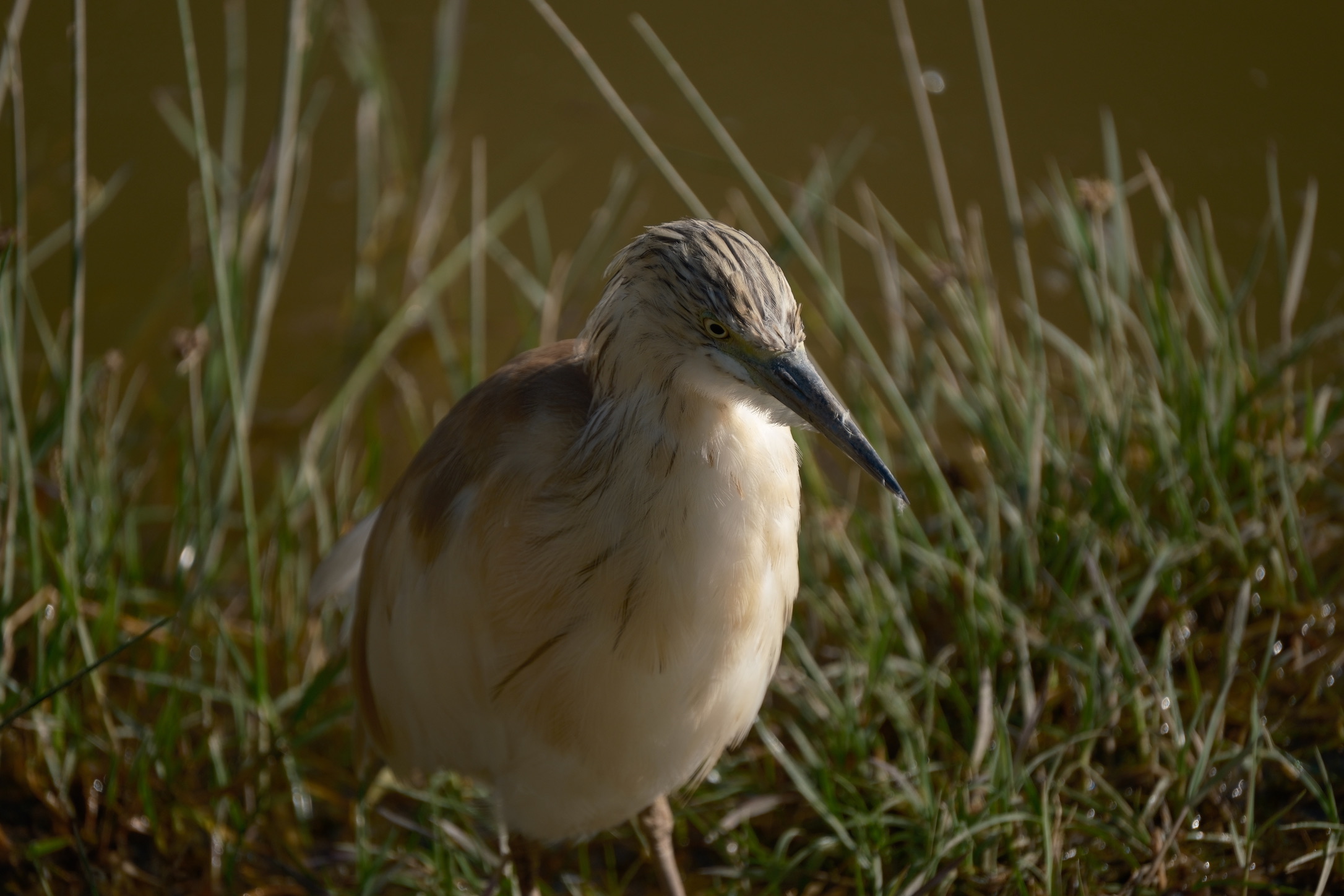
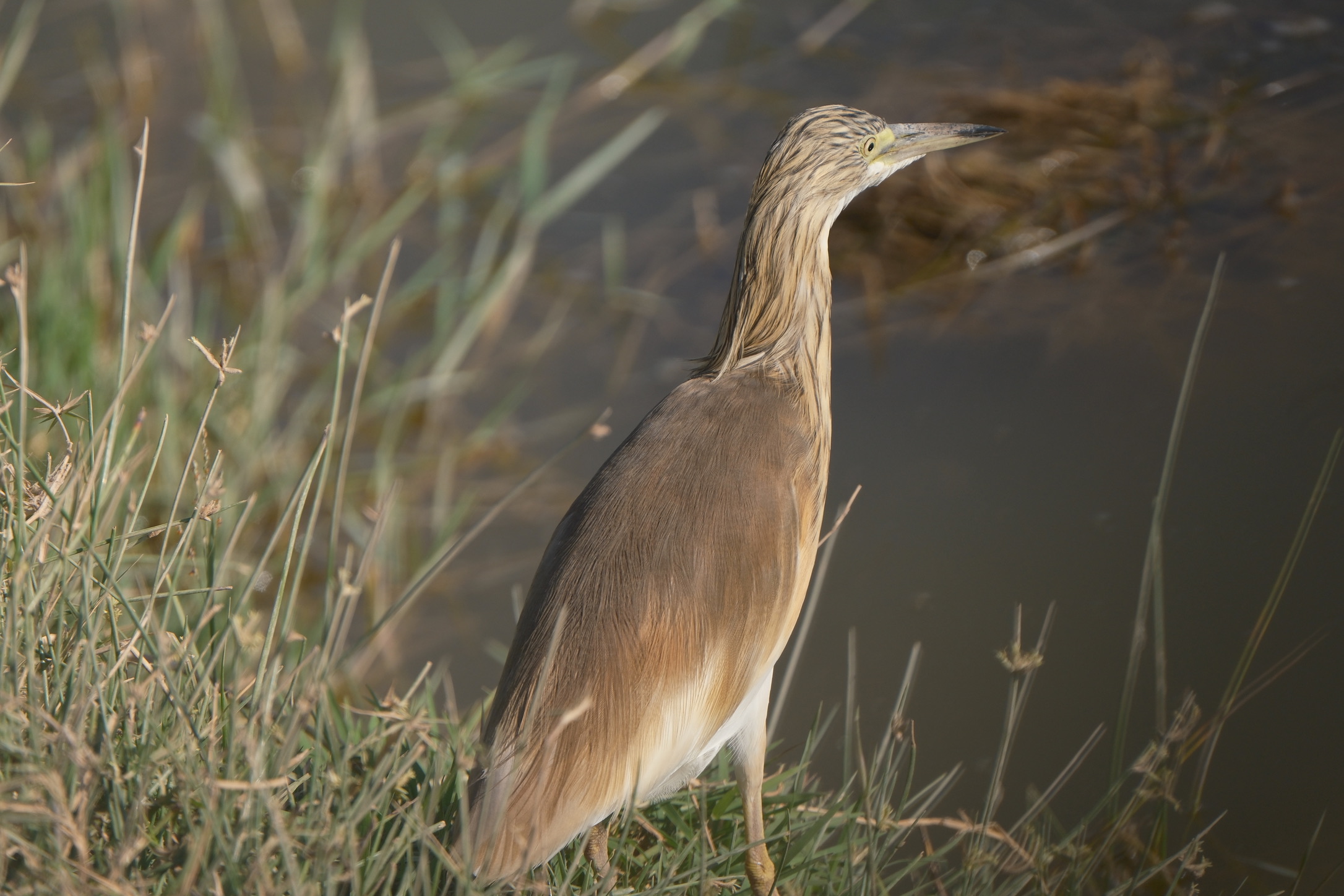
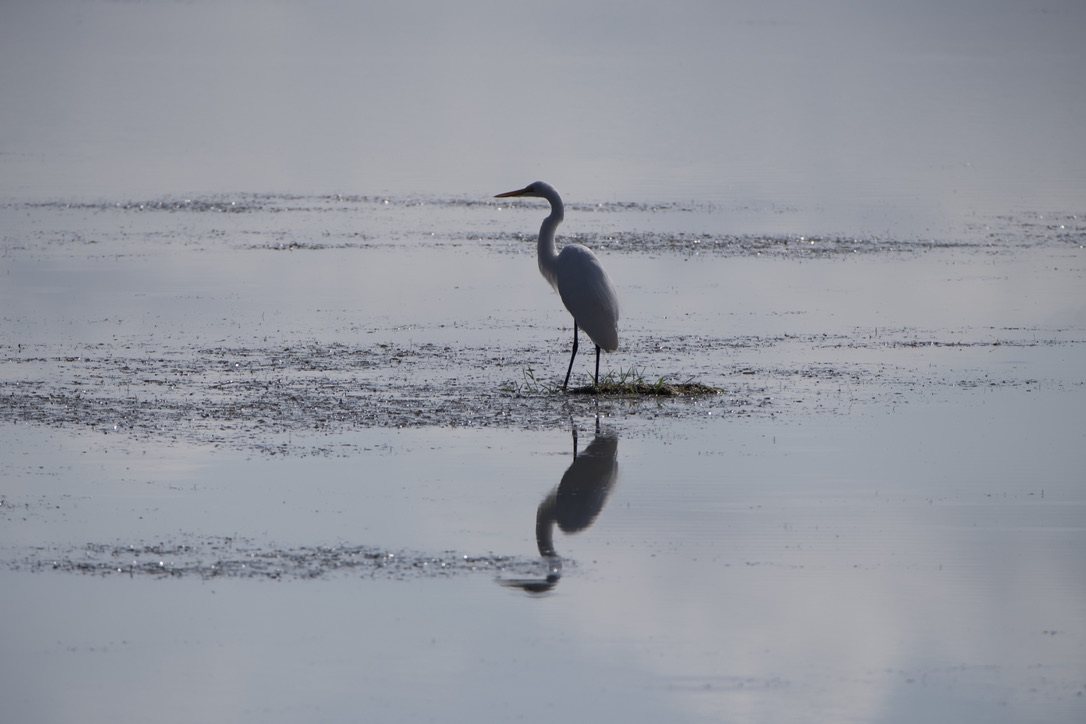
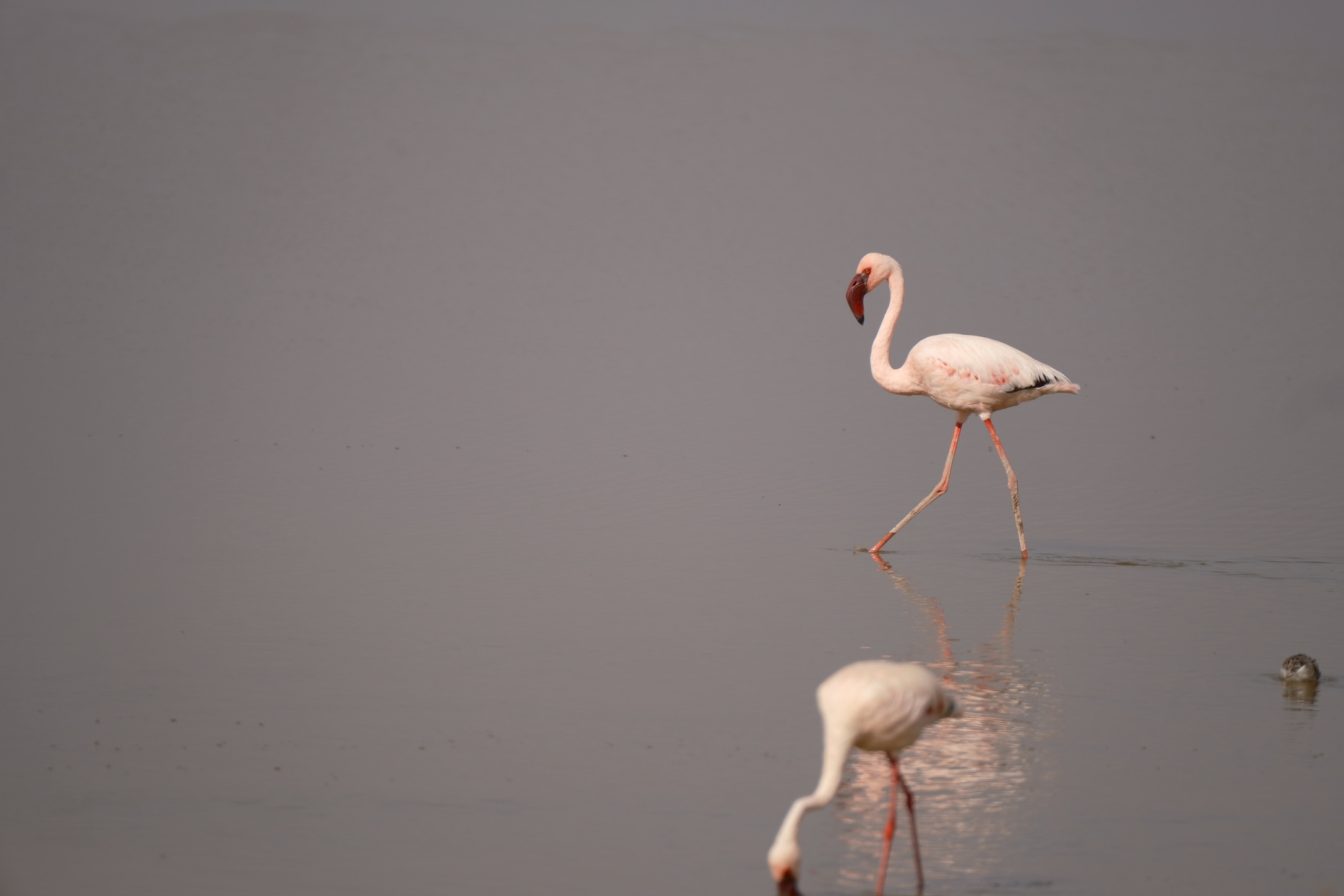
I also learned that flamingos aren’t pink by nature, but their diet gives them their distinctive color. The algae they eat contains a compound called carotenoids, which, when broken down by the flamingo’s digestive systems, turn them pinkish. They are born white.
Air India Flight Back to Home – I Got Stuck, We All Got Stuck.
I was scheduled to fly back to India on September 12, 2024, via Air India. However, Air India, being true to their reputation, bailed on me and all other passengers of AI-962, who were supposed to fly from Nairobi to Delhi on the same day.
They erased our booking from their platform without even informing us. No communication, nothing. Not even an email explaining what happened or why the flight was cancelled.
For us, it was as if the flight never existed. Once I reached Nairobi International Airport, I realized how dangerous and tumultuous the situation really was.
The flight got cancelled because, on September 11–12, 2024, there was a sudden strike at Nairobi’s Jomo Kenyatta International Airport.
Airport staff and their union were protesting a deal to hand over control of the airport to India’s Adani Group for 30 years.
They blocked terminals, stopped work, and demanded job security, which disrupted airport operations and led to over 50 flight cancellations.
The chaos continued the next day, and no one told us anything. Air India, as expected, gave no updates or assistance, so I had to book a last-minute Kenya Airways flight on my own while everything around was pure madness. Only one gate at the entire airport was operating, and only Kenya Airways was allowed to land or take off.
So I assume the flight AI-962 never actually landed on the Nairobi Airport runway.
Air India didn’t even bother to help us at all. I was calm and quite unbothered because I knew I could stay there for a while, even if I couldn’t fly that day. I was at an age and from a background where I could figure out alternatives.
But when I saw elderly grandparents, construction workers, and women with kids struggling to find their way and uncertain about their flights, I got incredibly furious.
I offered to help as many as I could and by the end of it I realised no one had received any communication from Air India. Such a terrible company with such terrible employees. You should also read about my experience with Air India AI 382, and you’ll understand this isn’t a one-off, it’s their standard operating procedure.

Leave a Reply